
HOST CITY
THE CITY
Water City North of the Yangtze · Pearl of Two Rivers | Liaocheng
Located in western Shandong Province, Liaocheng spans 8,628 square kilometers and is home to 5.9 million permanent residents. Under a semi-arid continental climate, the city draws its character from water – embodying the deep roots of Yellow River agrarian civilization and the open spirit of canal commerce.
🌊
Water Town Charm
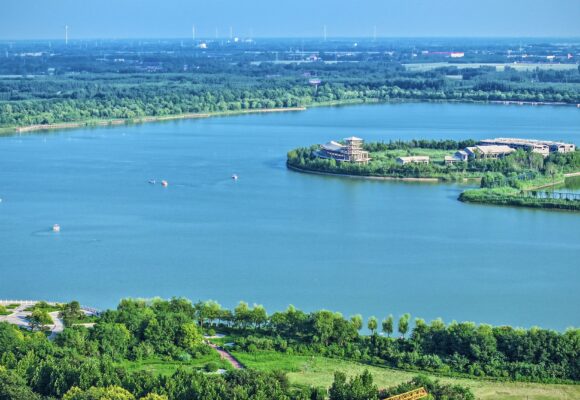
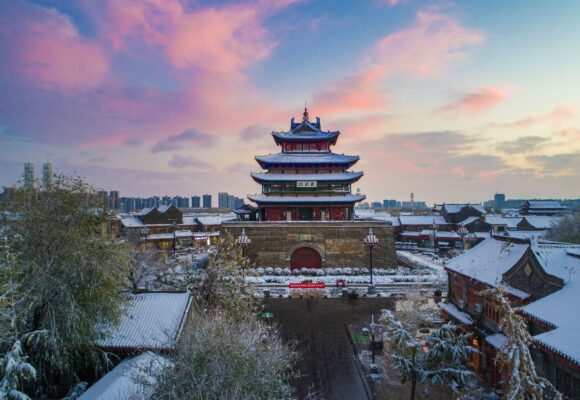
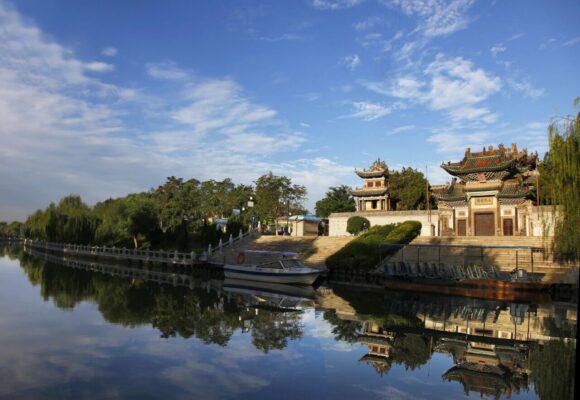
Dongchang Lake glimmers like a jewel, earning Liaocheng the nickname “Venice of Northern China.” The Guangyue Tower, standing tall for over 600 years, tells stories of a rich and lasting history.
♟️
City of Wisdom
As an emerging hub for mind sports in China, Liaocheng is driving a “wisdom empowerment” agenda. With over 400,000 enthusiasts and more than 400 schools offering chess programs, mind sports are taking root across all generations.
🚀
Looking Forward
Liaocheng will continue to expand its “Mind Sports+” ecosystem, integrating competitions, training, research, and industrial development – striving to become a benchmark smart city where tradition and innovation thrive side by side.
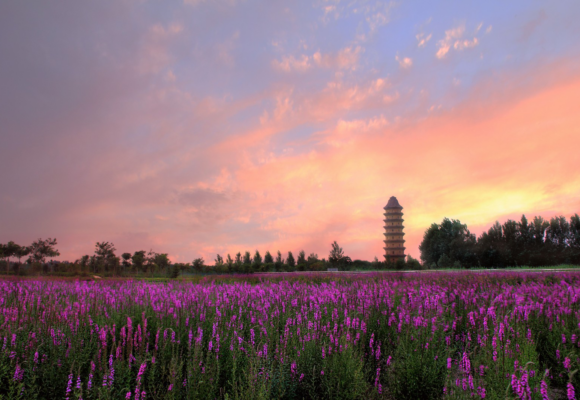
Scenery of Liaocheng
THE CLIMATE
October in Liaocheng · Perfect Weather for Mind Sports
October brings crisp and pleasant autumn weather to Liaocheng, with average temperatures ranging from 10°C to 20°C. Days are comfortably warm, while nights turn cool and refreshing — a delightful seasonal rhythm that signals the transition from summer to autumn.
☀️
Weather Highlights
This period features little rainfall, dry air, and mostly clear skies with gentle sunshine. The bright yet mild conditions create an inviting and energizing atmosphere.
♟️
Ideal for Competition
For athletes from around the world, this is the perfect setting to stay at their best — both physically and mentally. The pleasant climate enables full concentration on strategic play and intellectual exchanges.
🍂
A Stage for Minds to Shine
With its refreshing air and clear skies, Liaocheng in October is more than a host city — it’s an inspiring backdrop where sharp minds and great ideas come together.
Follow the Games and Explore Liaocheng
— Unlock Your Scenic Travel Guide —
In the heat of summer, willows sway gently along Dongchang Lake, and flowers bloom beneath the ancient city walls. This “Water City of Northern China” reveals its poetic charm in the warm season. When October arrives, the 2026 FISU World University Mind Sports Championship will open here. This international event brings Liaocheng closer to the world and allows visitors from across the globe to experience the unique beauty of this northern water city.
Highlights of Liaocheng’s Scenic Spots
“A lake of clear water carries centuries of history; a thousand‑year canal cradles dreams.” Stroll along the boardwalk by Dongchang Lake, ride the Ferris wheel for a panoramic view of the “Water City of the North,” and enjoy the pink cherry blossoms blooming like clouds along the canal. Be sure to leave your footprints on the stone paths of the Water City Ancient Town, climb the iconic Guangyue Tower, and listen to elders recount stories of canal transport at the crossroads.
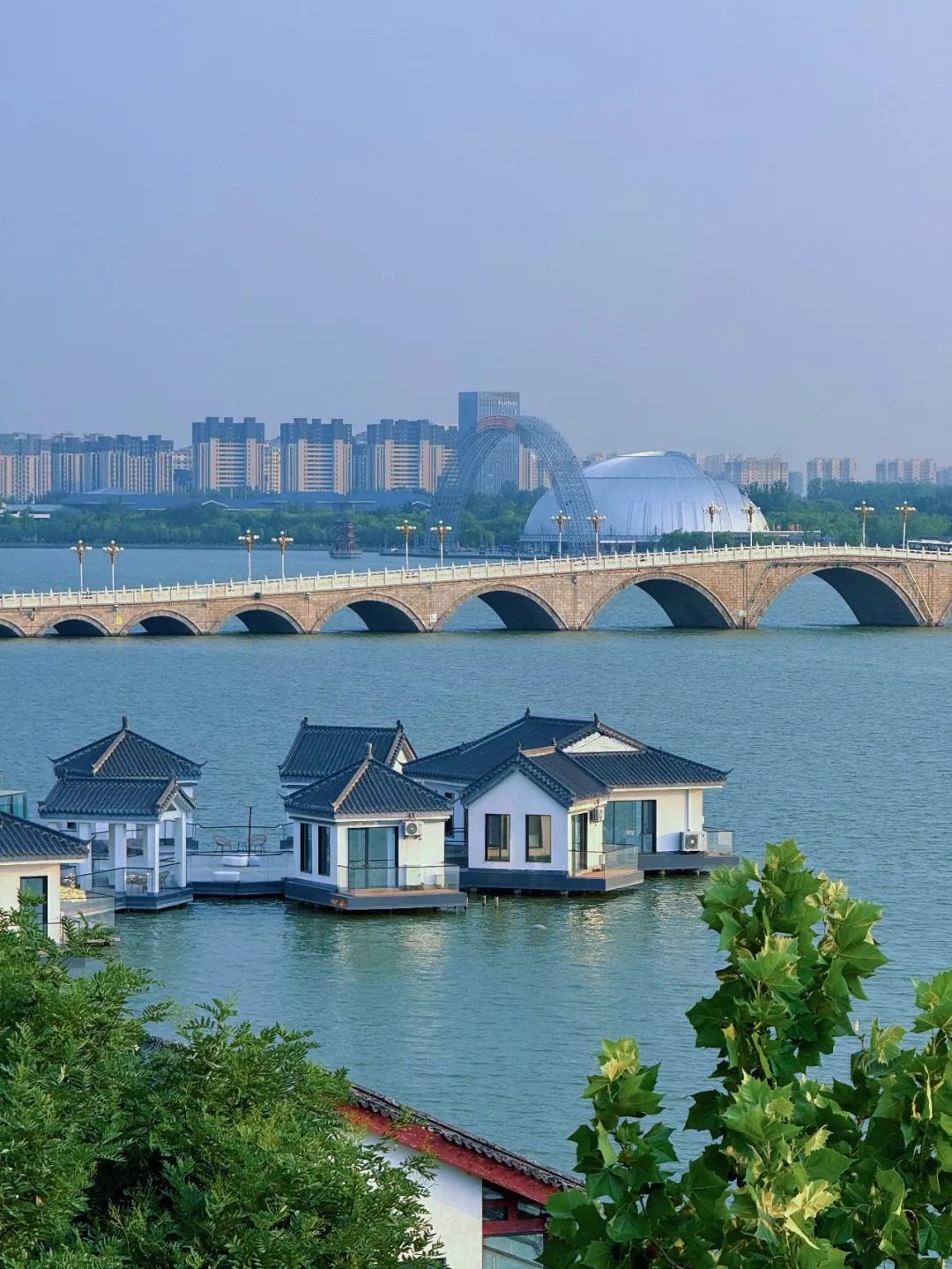
Dongchang Lake
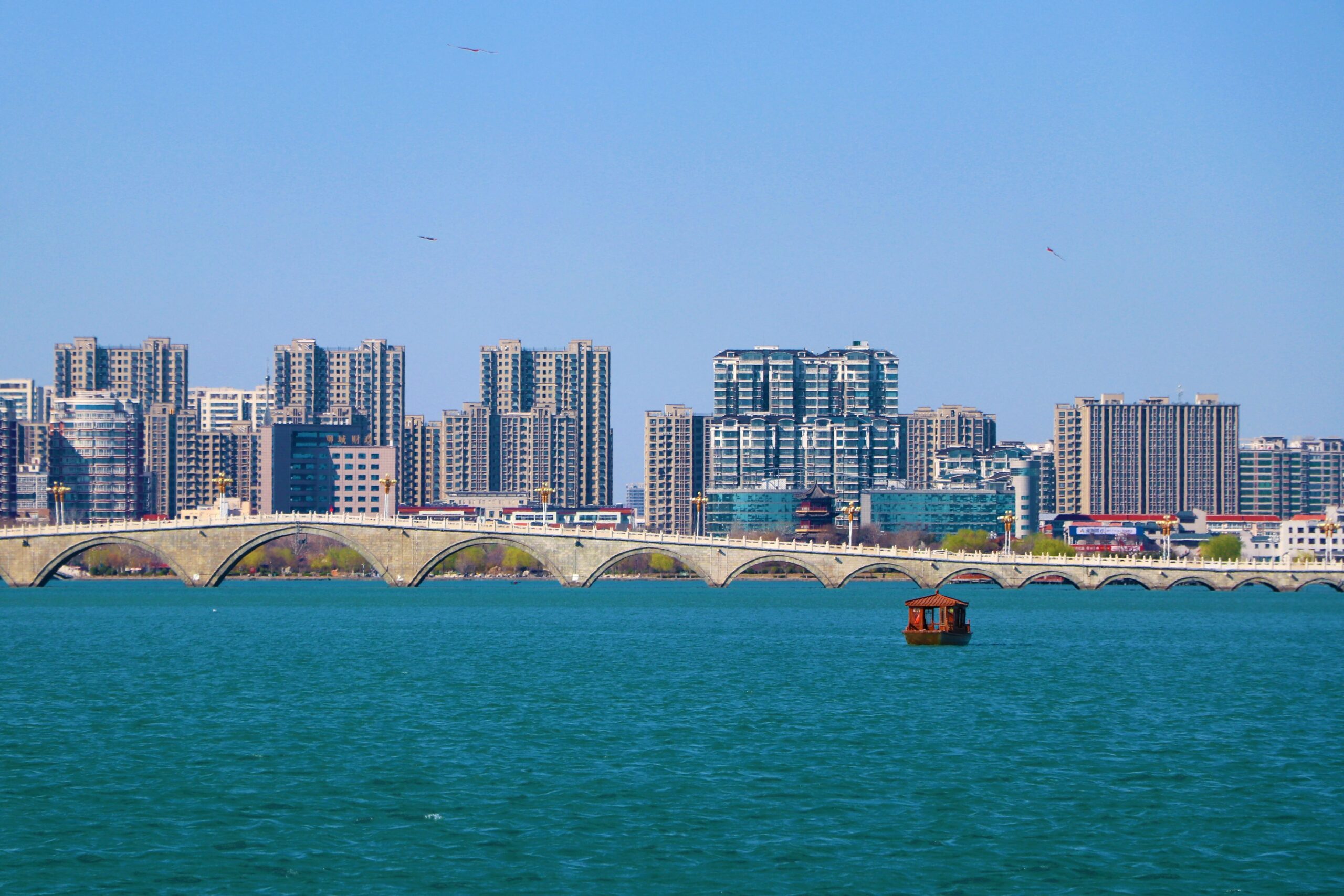
Dongchang Lake Cruise
Start from the Dongchang Lake pier and travel through the interplay of water and bridge shadows.
Shaded by lush trees, the canal is perfect for a leisurely walk. Architecture lovers should not miss the Shanxi–Shaanxi Guild Hall, a Qing‑dynasty merchants’ guild hall whose exquisite wood carvings tell the legendary stories of Shanxi merchants. From the Guild Hall to the Liaocheng Iron Pagoda, your camera will capture scenes full of spring vitality.
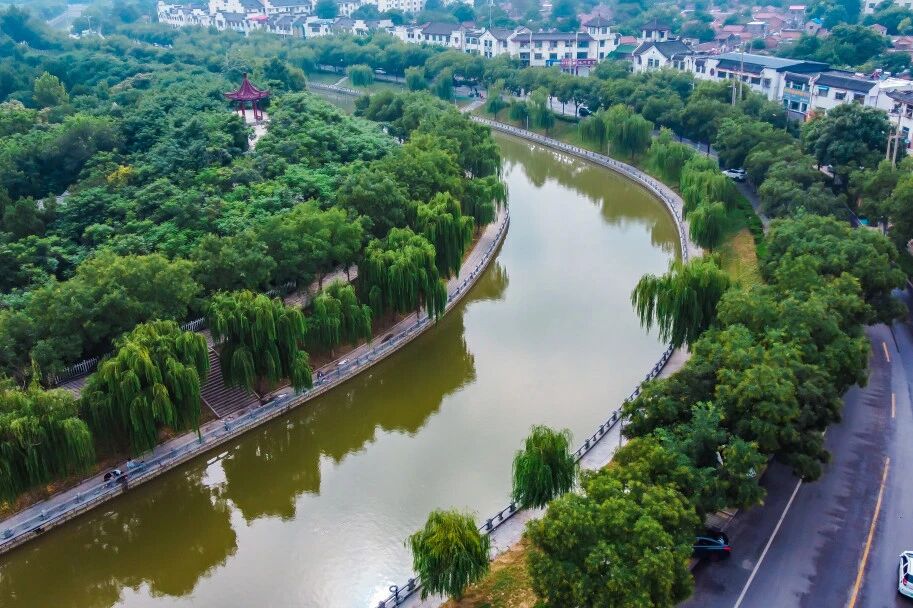
Liaocheng Canal
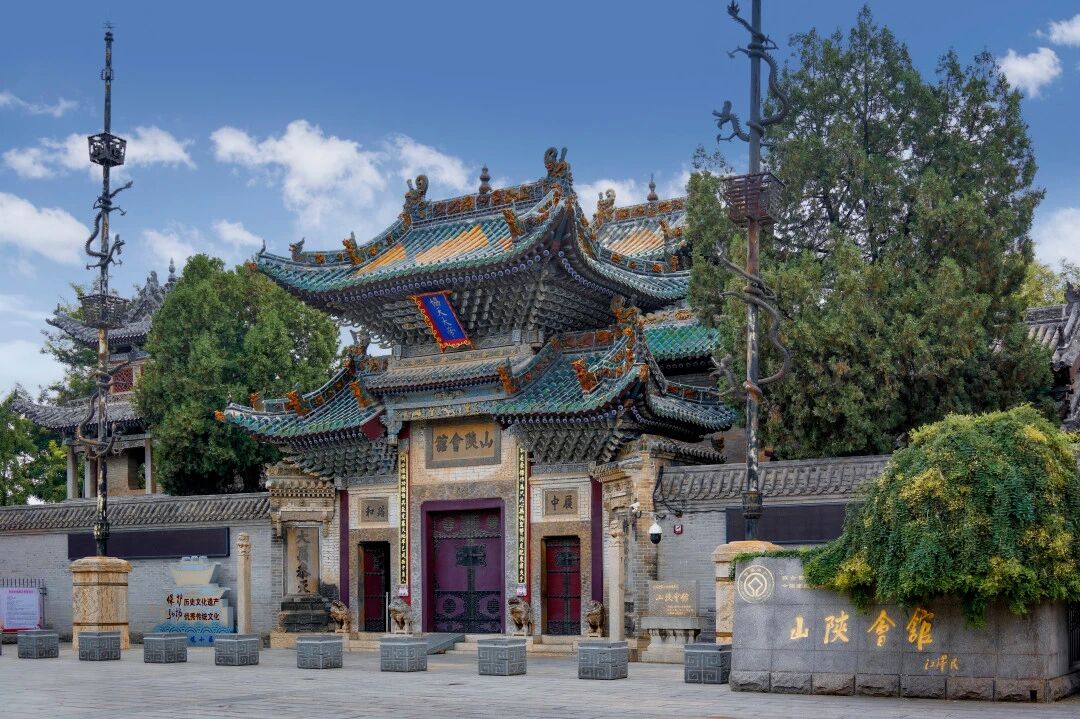
Shanxi–Shaanxi Guild Hall
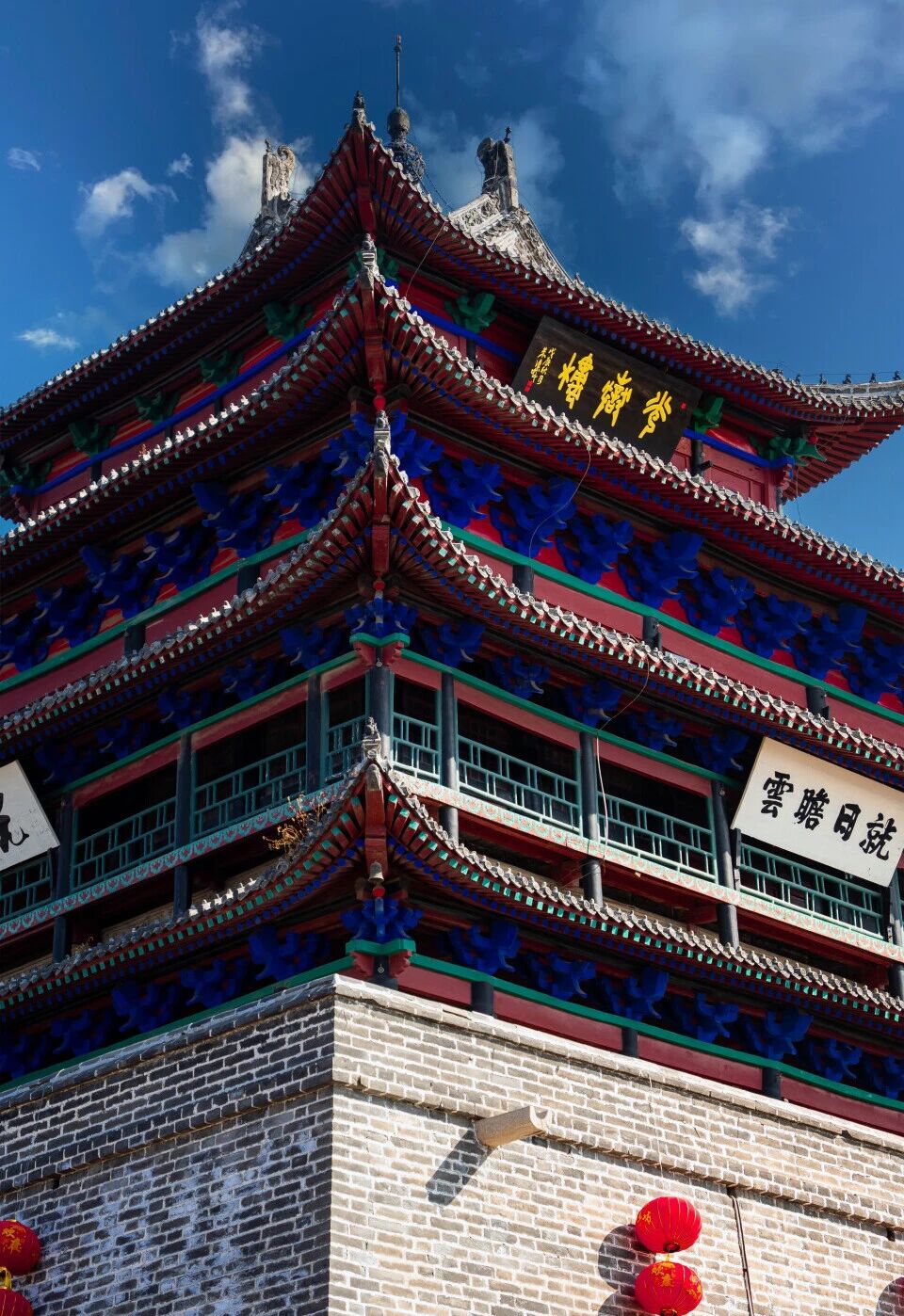
Guangyue Tower
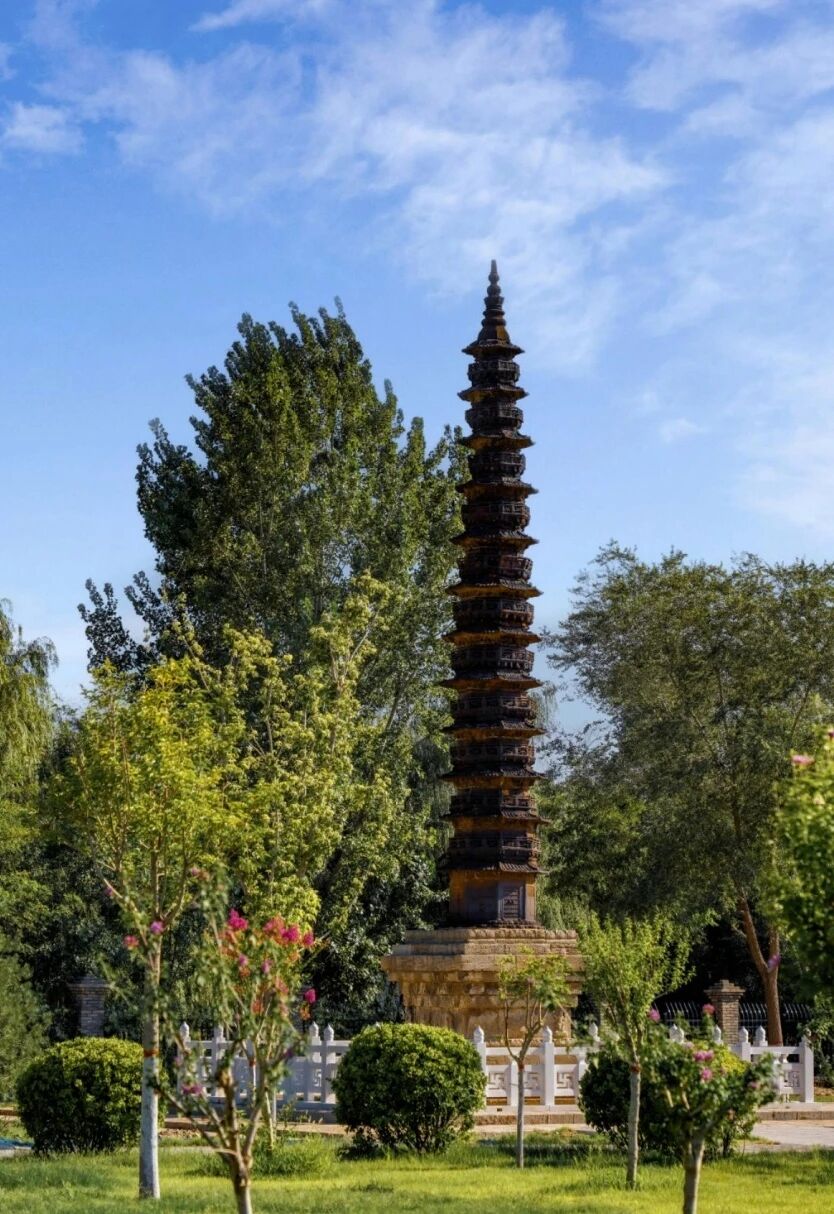
Iron Pagoda
The city’s attractions are relatively close to each other. If you get tired from walking, consider cycling around Dongchang Lake—nothing is more pleasant than the gentle breeze on your face. In summer, the lakeside scenery is picturesque: willows dance lightly, the wind ripples the water, reflecting the blue sky and fresh green branches—beautiful like a painting.
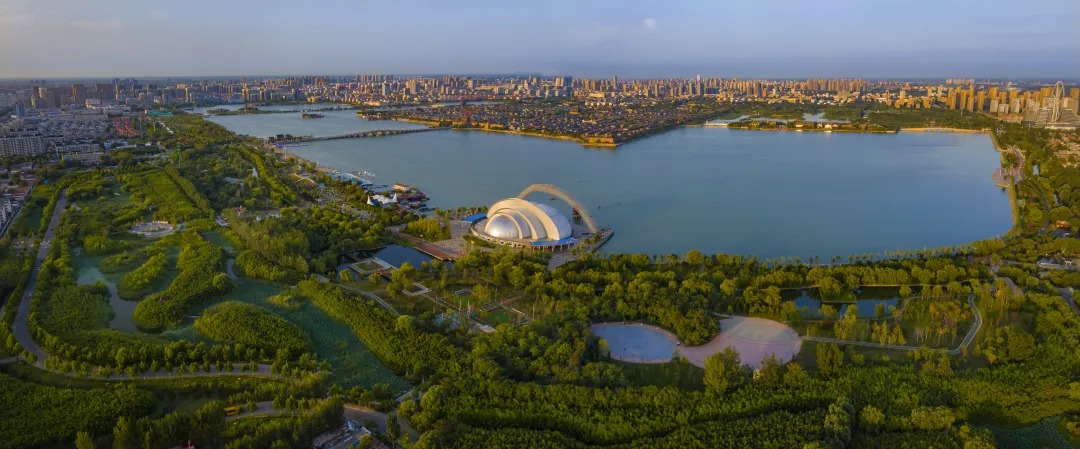
Dongchang Lake Lakeside Avenue
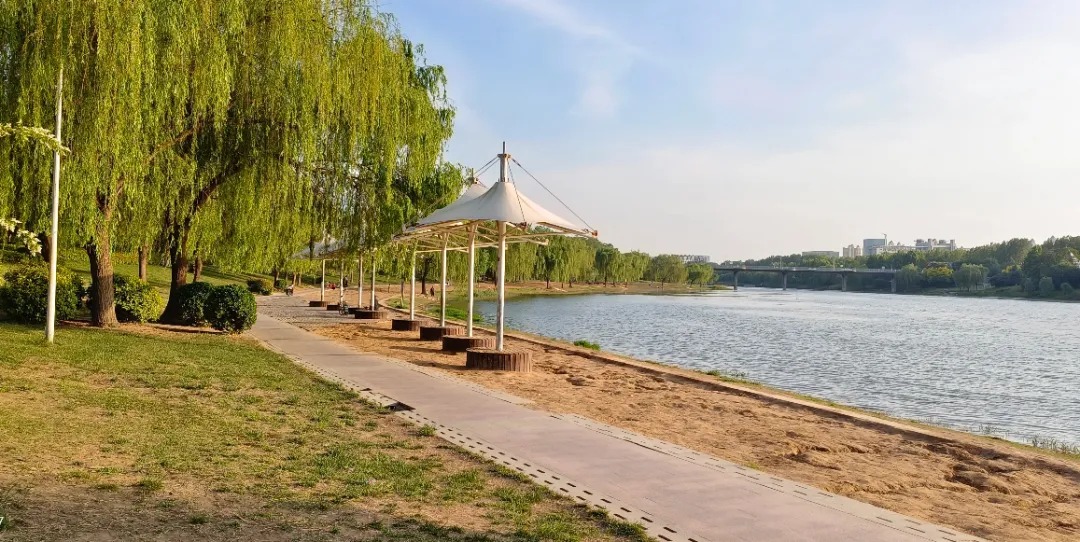
Tuhai River Cycling Path
The competition venue is located at the Arcadia International Hot Spring Hotel by Dongchang Lake. With hot springs flowing directly into the rooms and terraces overlooking the lakeside sunset, it offers a perfect blend of comfort and scenery.
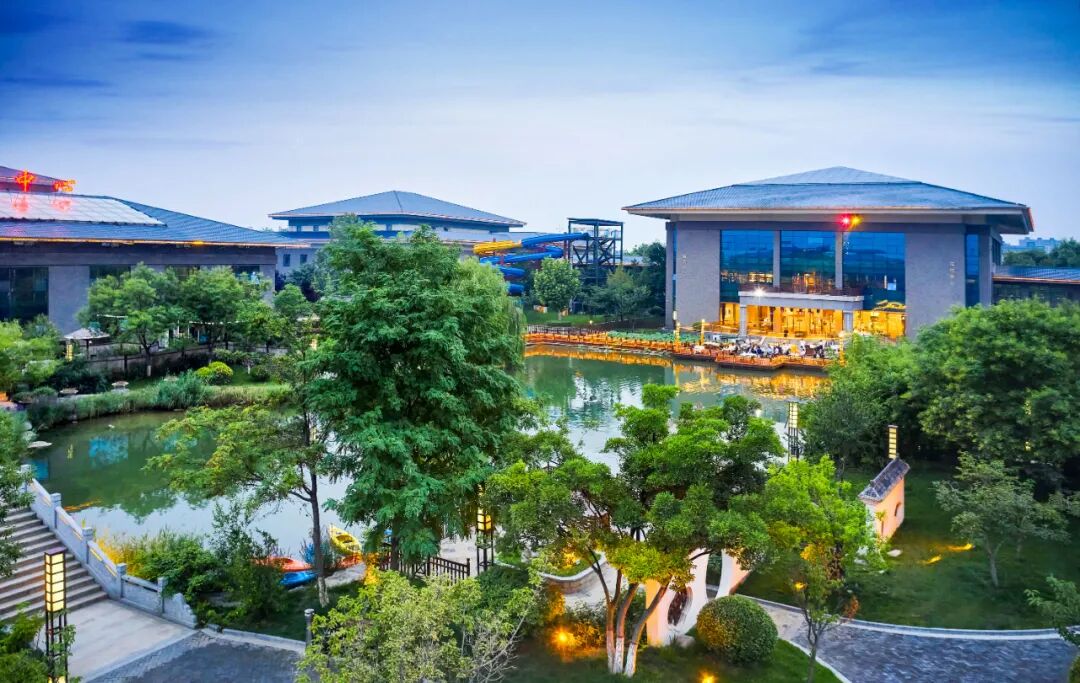
Arcadia International Hot Spring Hotel
In summer, Liaocheng is half rippling water and half ancient cultural charm.
Sip tea while boating, climb towers to gaze at the water, and encounter a moment of leisure amid the rhythmic sounds of canal paddles.
We look forward to welcoming you to Liaocheng in October!
Liaocheng Acrobatics
— National-level Intangible Cultural Heritage —
Liaocheng is one of the birthplaces of Chinese acrobatics. In the late Neolithic period, Liaocheng was a major area of activity for the Dongyi people. The Dongyi were known for their strong physiques and their love of archery and hunting, which laid a solid foundation for the development of acrobatic arts. It can be said that Liaocheng acrobatics already began to sprout during the Neolithic era. The leader of the Dongyi at that time was the legendary figure Chiyou, who was himself an acrobatic master. Ancient acrobatics originated from the horn‑butting game, also known as the “Chiyou Play”. According to historical records such as the Records of the Grand Historian, one of the main areas where Chiyou — the earliest horn‑butting hero of legend — lived was around Liaocheng. After Chiyou’s death, his head was buried in Shouzhang (now part of Yanggu County).
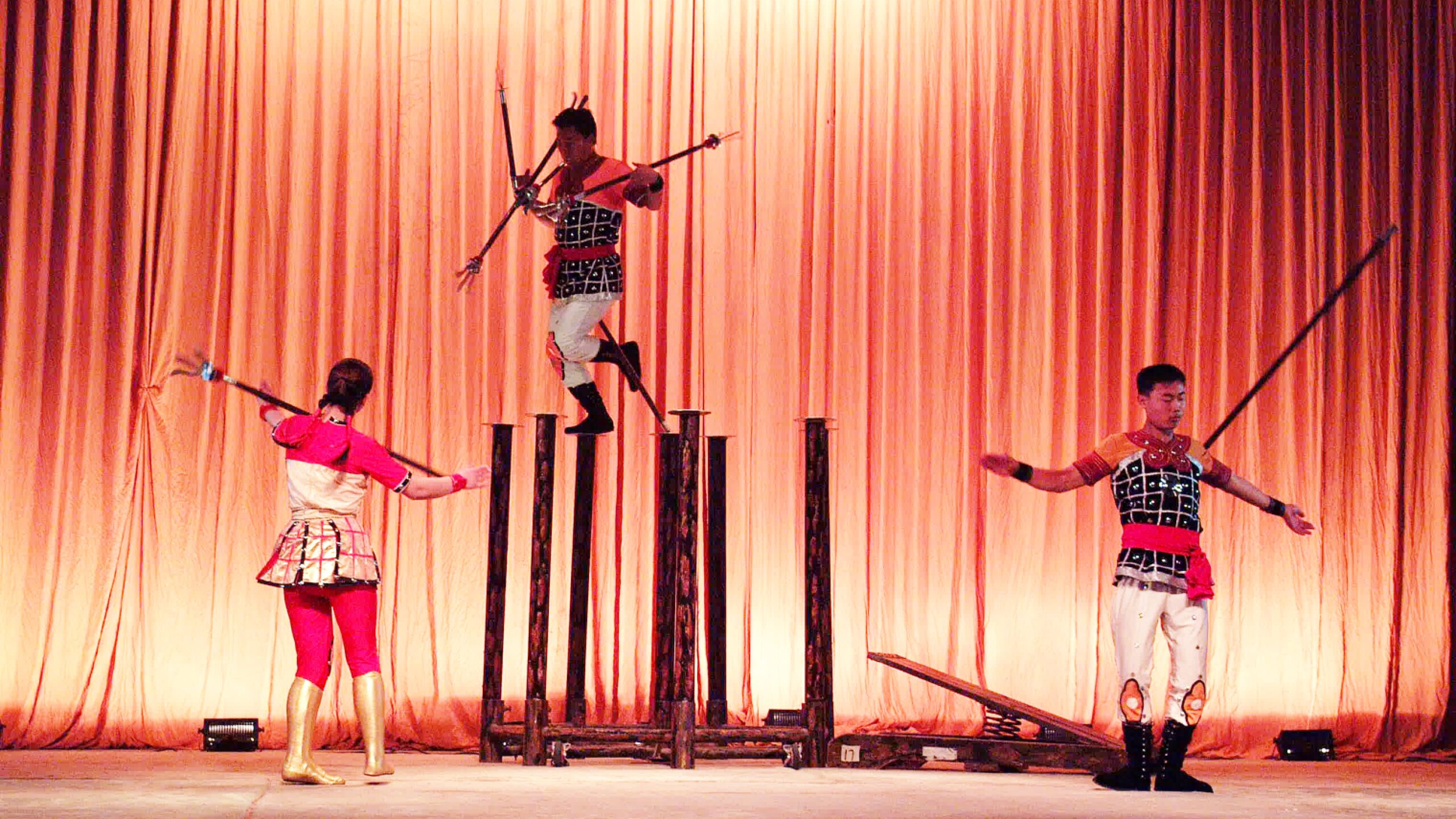
The Baixi — Spring and Autumn to Han Dynasty
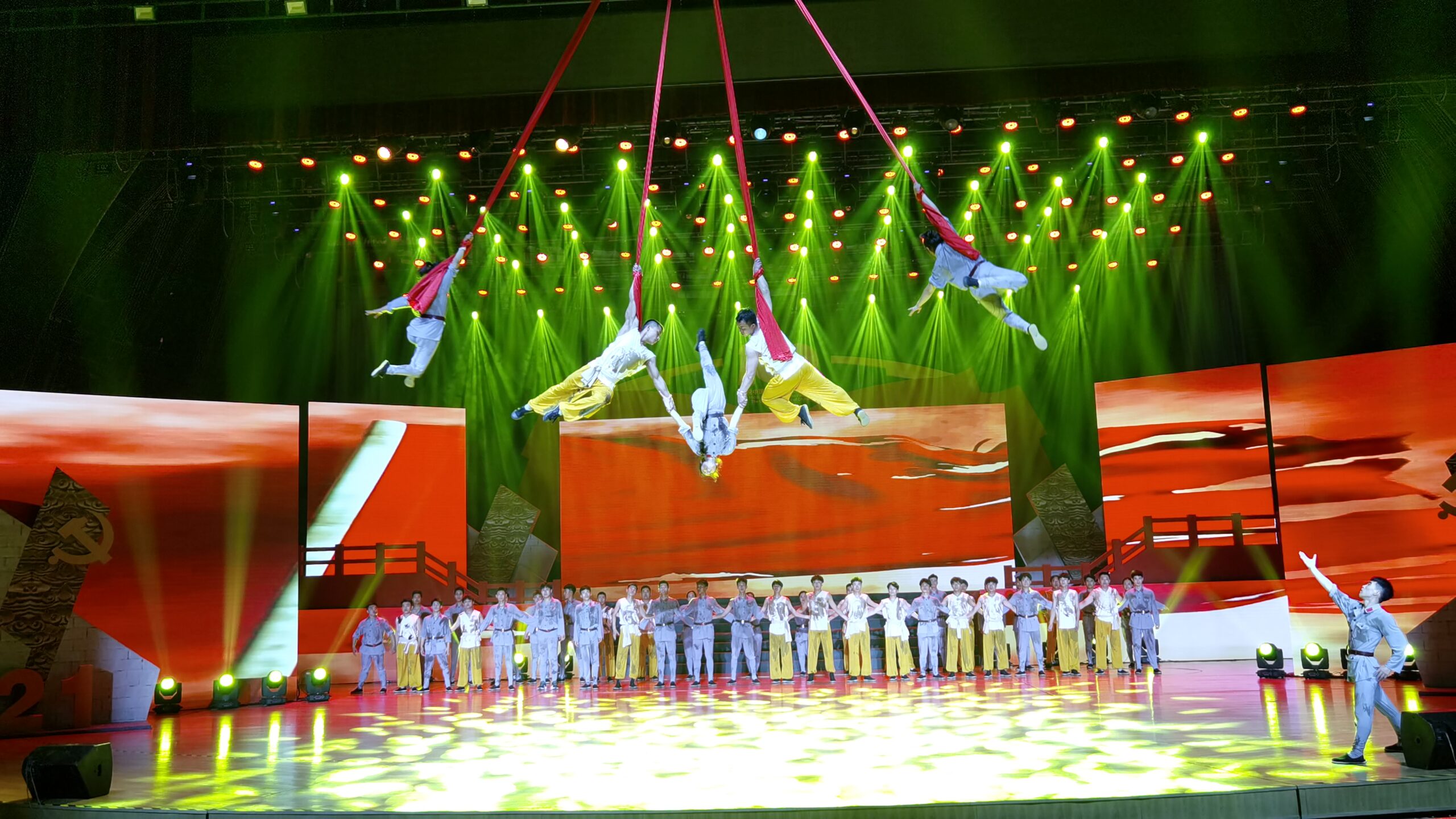
During the Spring and Autumn and Warring States periods, Liaocheng acrobatics saw initial development, and by the Han dynasty it had largely matured. The Han dynasty was a period of formation and growth for Chinese acrobatics, with increasing variety and ever‑improving skills, giving rise to a new performance form that centred on acrobatics and incorporated various other performing arts — the baixi (hundred entertainments). In recent years, archaeologists in Liaocheng have discovered a number of Han‑dynasty tombs in Dong’e, Yanggu and other areas, and the stone reliefs unearthed from them contain many images of acrobatic performances. The most typical example is the stone relief from Dengmiao Village in Dong’e, which depicts baixi figures with elegant lines and well‑balanced composition, showcasing the acrobatic achievements of the Han dynasty.
Three Kingdoms Period — Cao Zhi and Acrobatics
During the Three Kingdoms period, acrobatics and equestrian shows were already popular in the Dong’e area of Liaocheng. The famous writer and poet Cao Zhi was a pivotal figure who built on past traditions and opened new paths. This gifted scholar, described by contemporaries as an “embroidered tiger”, was also an outstanding acrobat. Historical records note that he “could juggle balls, fence, and recite hundreds of lines of comic dialogues”, and that he “fought cocks on the eastern road and galloped his horse among the tall elms”. His poem “White Horse” contains the lines: “He draws his bow and breaks the left target, then shoots to the right and shatters the moon‑shaped mark; with upturned hand he catches the flying ape, and bending low he scatters his horse’s hoofbeats” — all vivid depictions of his equestrian skills. In the third year of Taihe of the Wei dynasty (229 CE), when Cao Zhi was made Prince of Dong’e, the performers and magicians he had befriended in earlier years gathered in Dong’e to take part in a baixi festival. It is said that the open ground in front of Cao Zhi’s tomb was once his entertainment venue. Before the founding of the People’s Republic, a song was popular among the “Dongsheng Acrobatic and Equestrian Troupe” in Dong’e County: “Ride horses, sell feats, climb the tall pole; juggle balls, floor acrobatics, whirling meteors and whip; travel the rivers and perform for safety — never forget to pay homage to Cao Zijian.” This shows the important influence Cao Zhi had on the development of acrobatics in Dong’e. Among the 132 artefacts excavated from Cao Zhi’s tomb in 1951, there was a garlic‑shaped five‑coloured stone ball, which has been identified as a prop used by Cao Zhi for “ball juggling”.
Wei, Jin, Tang and Modern Times — Flourishing and Legacy
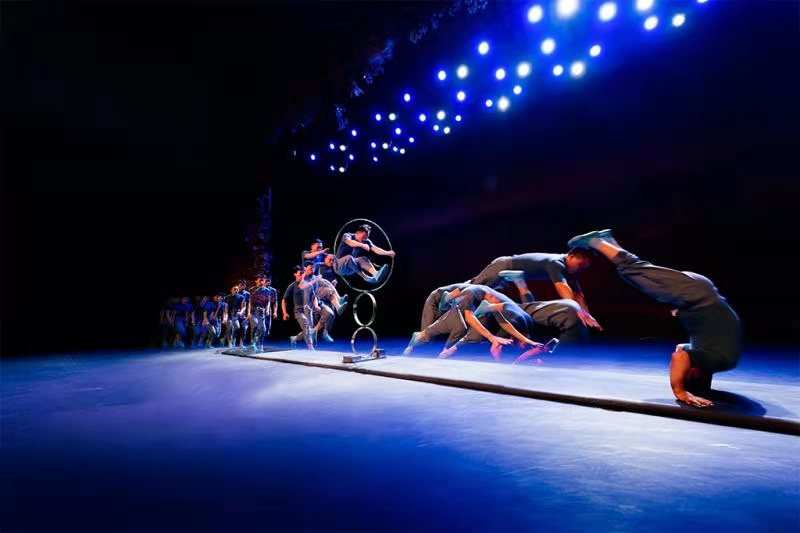
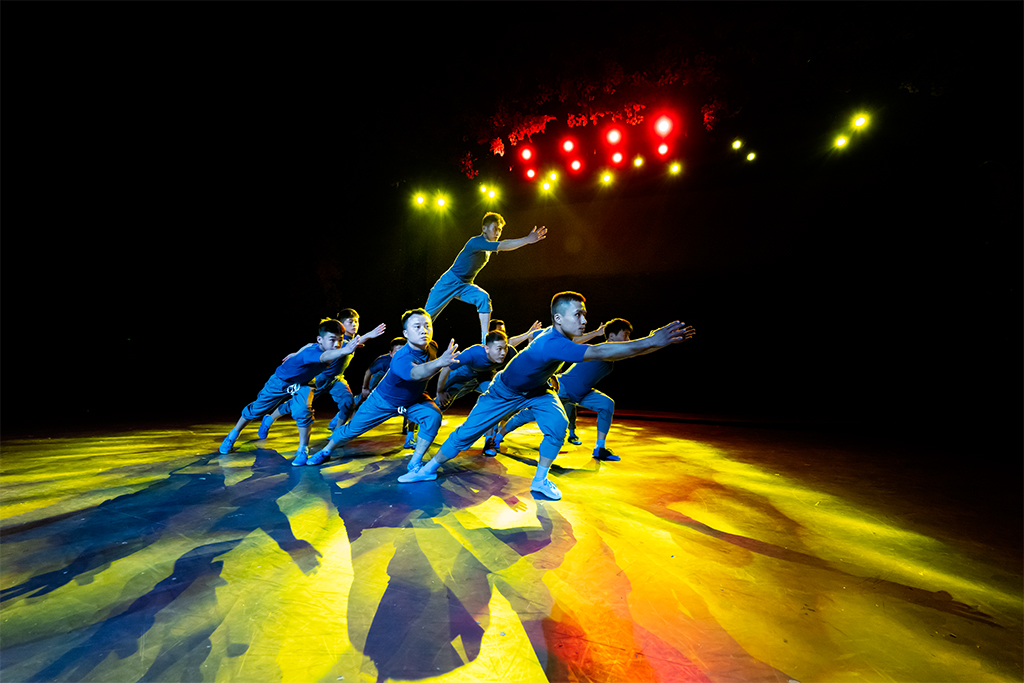
Through the Wei, Jin and Northern and Southern dynasties, acrobatic arts became highly mature, and by the Tang dynasty they were thriving both in the imperial court and among the common people. During this period, Liaocheng produced many highly skilled performers. A folk song has been handed down: “In the Tang dynasty there was a ‘Green Peony’; her teacher was named Hua Zhenfang, and he had a daughter Hua Peilian; they performed in the Golden Throne Hall, and climbed a mountain of swords outside the Meridian Gate.” Liaocheng performers of old also had the custom of honouring Hua Zhenfang, calling him “Grand Ancestor Hua”. Thereafter, Liaocheng acrobatics never declined; acrobats travelled far and wide, spreading across the country. In modern times, performers such as Li Banxian, Zhang Dapigntze, Gai Shandong, and Caoshangfei became nationally renowned for their extraordinary skills. The main reasons for this are the deep‑rooted local love for acrobatics, and the fact that learning acrobatics was also an important means of livelihood for many people. In particular, because the Yellow River used to flood frequently, many farmers had to give up farming and learn acrobatic skills to survive. During famine years, in villages such as Mengzhuang, Hezhuang and Zhangdarenji in Dong’e County, several or even a dozen families would go out in groups to perform on the streets, forming many troupes and factions. In the early years of the Republic of China, there were already dozens of acrobatic and equestrian troupes in Dong’e County alone. In addition, there were dozens more acrobatic troupes in Yanggu, Chiping, Shenxian, Linqing and other places, some of which even performed in Korea, Japan, Singapore and other countries. On the eve of the founding of the People’s Republic, there were over 100 acrobatic troupes in the Liaocheng area. After the founding of the People’s Republic, with government support, Liaocheng carried out reform and reorganisation of these private troupes, and troupes such as “Qianjin” (Advance), “Shengli” (Victory), and “Yuejin” (Leap Forward) were successively established. In 1955, Dong’e County formally set up eight acrobatic and equestrian troupes. In 1970, the Liaocheng Prefecture Acrobatic Troupe was established.
Dongchang Gourd Carving
— National-level Intangible Cultural Heritage —
Dongchangfu District, Liaocheng City, Shandong Province, is located on the Luxi Plain in the lower reaches of the Yellow River. The ancient Majia River meanders here for over 30 kilometres. With abundant water, unique soil and a suitable climate, the area is ideal for gourd cultivation and has historically been famous for producing high‑quality gourds. The gourds grown in Dongchangfu are smooth, glossy, elegant in colour, and thick‑fleshed, making them highly suitable for carving. Over time, the precise origins of gourd cultivation and carving in Dongchang have been lost, but many legends still circulate among the local people. According to one legend, a court artisan named Wang Heshang, skilled in painting and carving, retired in old age to Yansi Office in present‑day Dongchangfu District. As the Yansi area was rich in gourds, Wang carved exquisite patterns into gourds to house his beloved crickets. Locals imitated him, and thus gourd carving spread.

A Legacy of a Thousand Years
According to local records, Dongchang gourd carving was already popular in the Song dynasty. During the Ming and Qing dynasties, Dongchangfu, located near the Grand Canal, was a political, economic and cultural hub of western Shandong, attracting many merchants. Carved gourds were once an important commodity produced by farming families along the canal and were sold to all parts of the country via the waterway.
Today, Dongchang gourd carving is centred around Tangyi Town in Dongchangfu District, radiating to neighbouring towns and offices such as Liangshui, Yansi, Liulin, Sangezhuang and Xinji, essentially covering the former Tangyi County area. During the Ming, Qing and Republican periods, many famous carvers emerged, including Li Wenpu, Zheng Shijun, Xiao Biheng and Huang Yugu, whom local artisans still refer to as “masters”. Their techniques and works can no longer be verified, but can only be traced through oral traditions and inherited skills passed down through generations.

Varieties and Forms
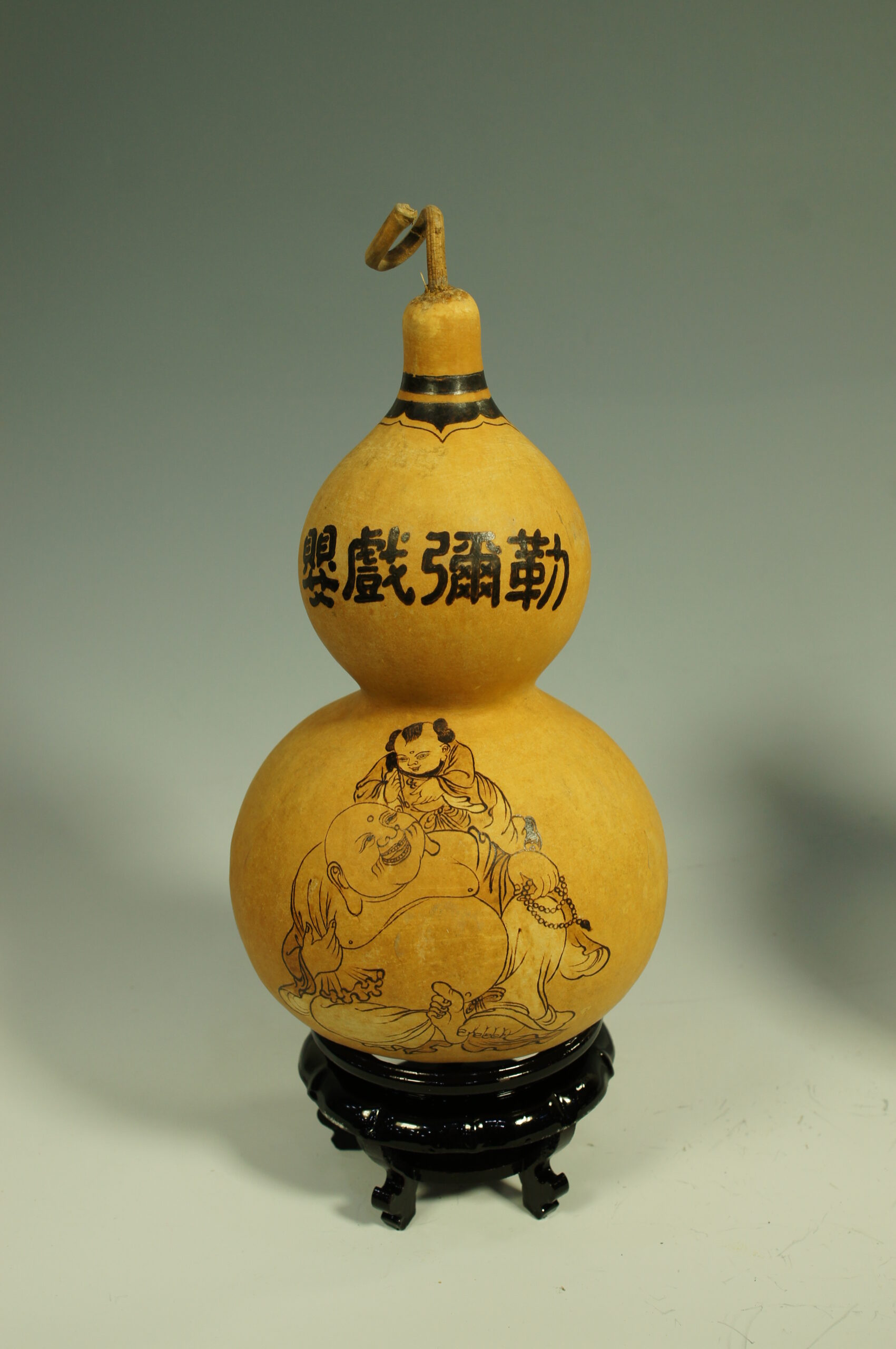
Dongchang gourds come in many varieties and shapes. The “large gourd” has a rounded lower part and a short thick stem on top. The “waist gourd” resembles two spheres joined by a narrow waist. The “flat round gourd” is round and flattened. The “long‑stem gourd” has a rounded lower part with a long thin stem. The “calabash” is uniformly cylindrical and irregularly shaped.
In addition, moulding techniques (fan gourd) are used to create special shapes by fitting moulds over young gourds, so that they grow only within the mould’s space, taking on the mould’s form after ripening. The smooth texture and golden colour give a natural, ancient and dignified aesthetic. The gourd itself has inherent beauty, and the carver’s artistry adds a folk‑art charm.
The first three types are generally used for carving: the “large gourd” for figures and landscapes, the “waist gourd” for flowers, birds, fish, insects and animals, and the “flat round gourd” often dyed red, carved or pierced to house crickets or grasshoppers. The latter three can be made into decorative crafts, cups, plates, bowls, boxes, brush pots, snuff bottles, and insect containers.
The Carving Process
Carving a gourd involves three steps: selecting the “blank”, drawing the design, and colouring the finished product. After the autumn harvest, gourds with straight, smooth, spotless skins are preferred by most carvers, though oddly shaped ones also find buyers for creative compositions. The harvested gourds are scraped, soaked in vinegar, and sun‑dried until their surface turns a pale yellow resembling antique painting paper — the “blank” is then ready. The gourd should not be harvested too late, or the skin will wrinkle, nor too early, or it will be too soft for fine carving. Carving requires aged gourds; fresh ones may be dry on the outside but still moist inside, making them unsuitable.
After carving the designs, a mixture of soot or wheat‑ash with cottonseed or soybean oil (sometimes with pigments added) is rubbed into the carved grooves. The surface is then wiped clean with a cloth, leaving the oil‑ash in the grooves to make the patterns clear and durable, and the colours remain vivid for a long time.
Themes and Artistic Style
The carving themes are rich, often realistic depictions of flowers, birds, insects, fish, animals, figures, and landscapes. Figure subjects are particularly diverse: scenes from the Four Great Classical Novels — such as “The Oath of the Peach Garden”, “Twelve Beauties of Jinling”, “Three Battles with the White‑Bone Demon”, and “Wu Song Fights the Tiger”; themes from Chinese opera — such as “Mu Guiying Takes Command”, “The Third Lady Teaches Her Son”, “The Wall”, “Fan Lihua Conquers the West”, and “The Fourth Son Visits His Mother”; and folk tales like the “Eight Immortals Crossing the Sea”. There are countless themes, full of life and humour, offering both aesthetic pleasure and collectible value. The compositions have a bold, rustic northern style, drawing on folk New Year paintings, arts and crafts, and paper‑cutting to expand expressive possibilities. The overall arrangement is well‑balanced — dense yet orderly, sparse yet substantial, adapting flexibly and endlessly to the gourd’s form.
Tools and Techniques
The tools used for Dongchang gourd carving include over twenty types, such as fixed compasses, oblique knives, straight knives, round knives, line‑cutting knives, engraving pens, and perforating tools. Many of these were invented by artisans themselves during long practice, though unnamed, they are highly practical.
In carving techniques, local artisans are also innovative. While most places only decorate the surface without cutting through, Dongchang carving excels in using openwork carving techniques borrowed from sculpture. This not only improves the gourd’s ventilation and sound transmission but also enhances its overall aesthetic. Watching an artisan carve is a true artistic pleasure. Using the gourd surface as paper and special knives as brushes, skilled carvers often work without a draft, pondering the gourd until they have a clear vision. They first mark circular lines with compasses to define the space, then sketch lines directly with an iron pen.
The pen moves freely — sometimes fine, sometimes broad; the knife speed varies — sometimes slow, sometimes quick, with steady and vigorous strokes. Light lines are as delicate as gossamer, heavy ones as forceful as a falling stone. Whether scraping, cutting, or carving, the techniques are fluid and precise. The resulting figures seem alive, birds appear ready to fly, branches and leaves are elegant and delicate, and landscapes are lush and vivid. A piece may take half a day or several days to complete — truly a wonder of the iron pen and marvellous hands.
Exploring Liaocheng: Scenery and Delicacies of Linqing
— Travel in the Grand Canal Wharf —
On the land of northwest Shandong lies a small city nourished by the Grand Canal for hundreds of years. Hailed by Ji Xianlin as “an ancient capital of Qilu culture”, it once enjoyed the glory of “surpassing all other prefectures in affluence and outshining the two capitals in prosperity”. As a vital hub along the Beijing‑Hangzhou Grand Canal, thousands of transport vessels once wove the bustling market life here. Discover this hidden gem of Shandong — our next stop: Linqing.
Grand Canal Heritage & Historical Sights
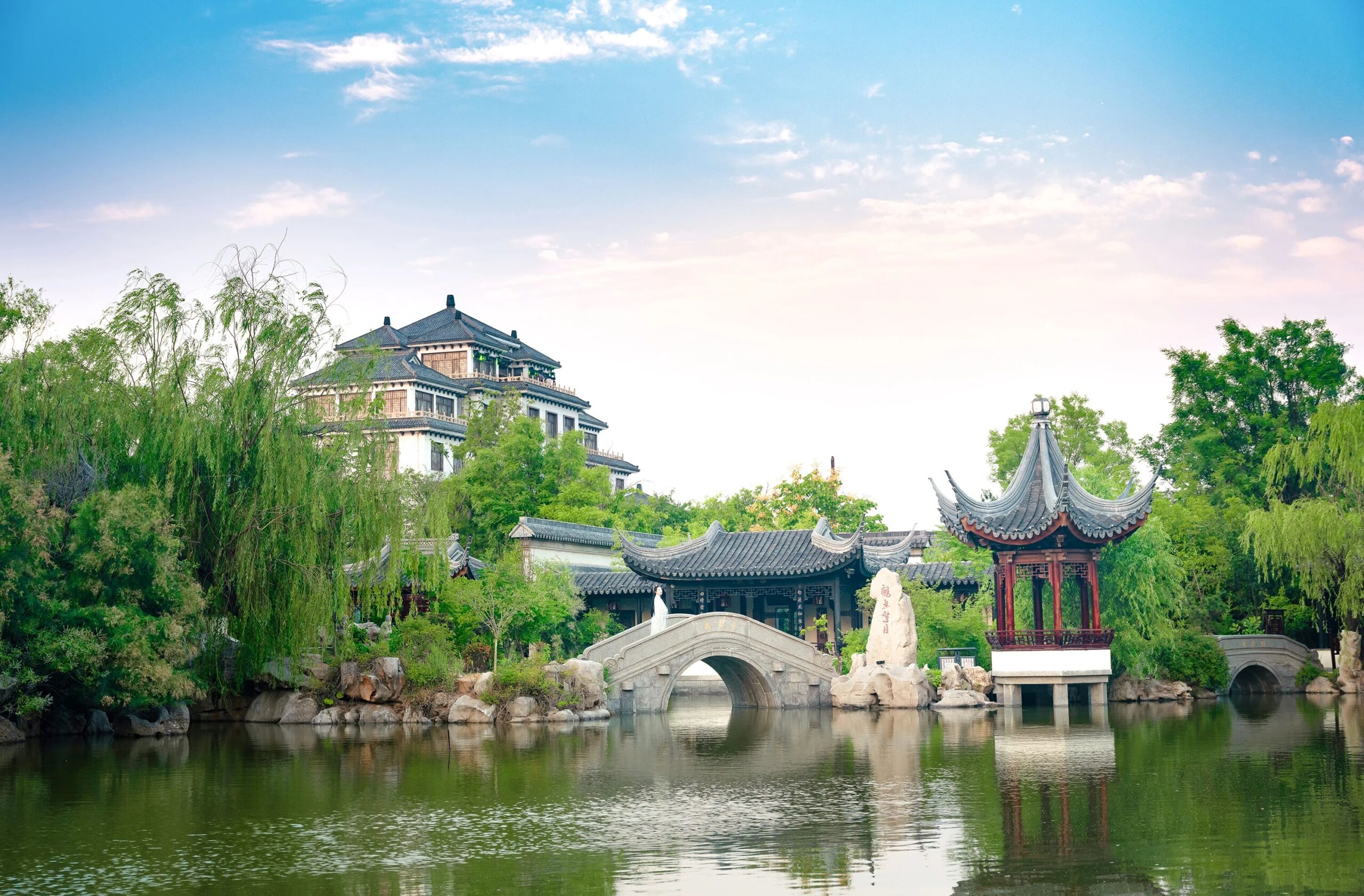
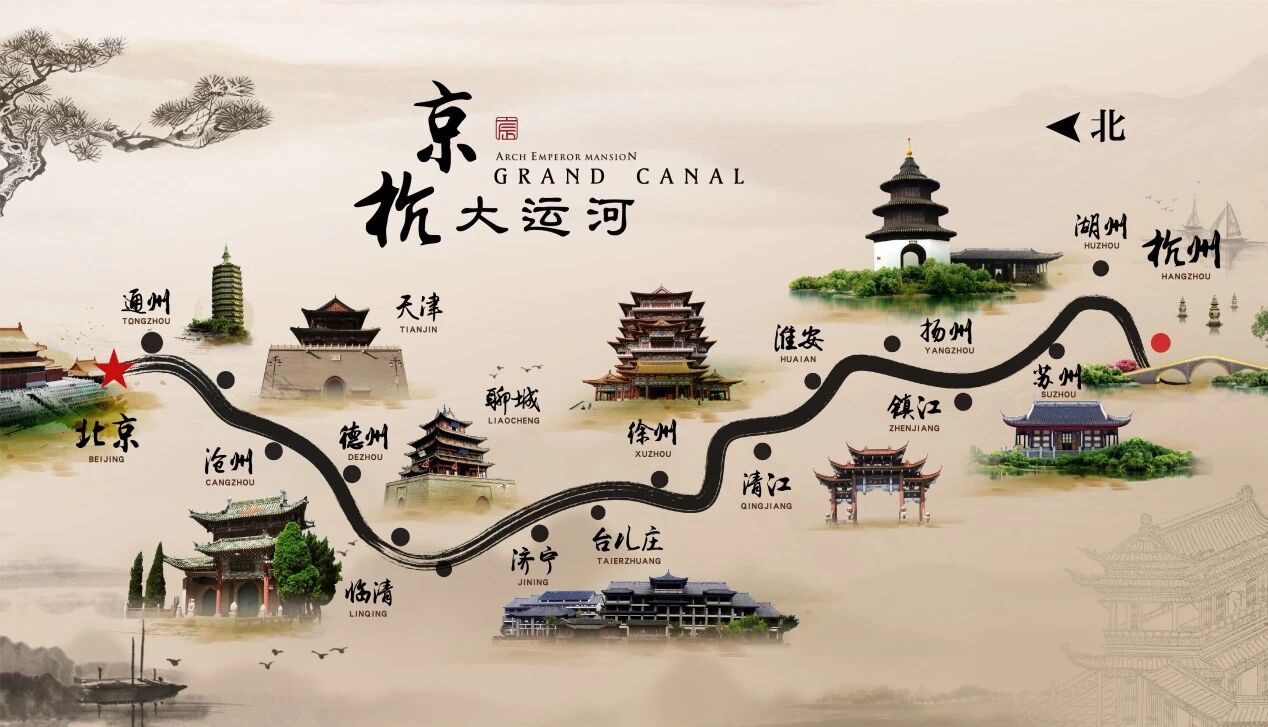
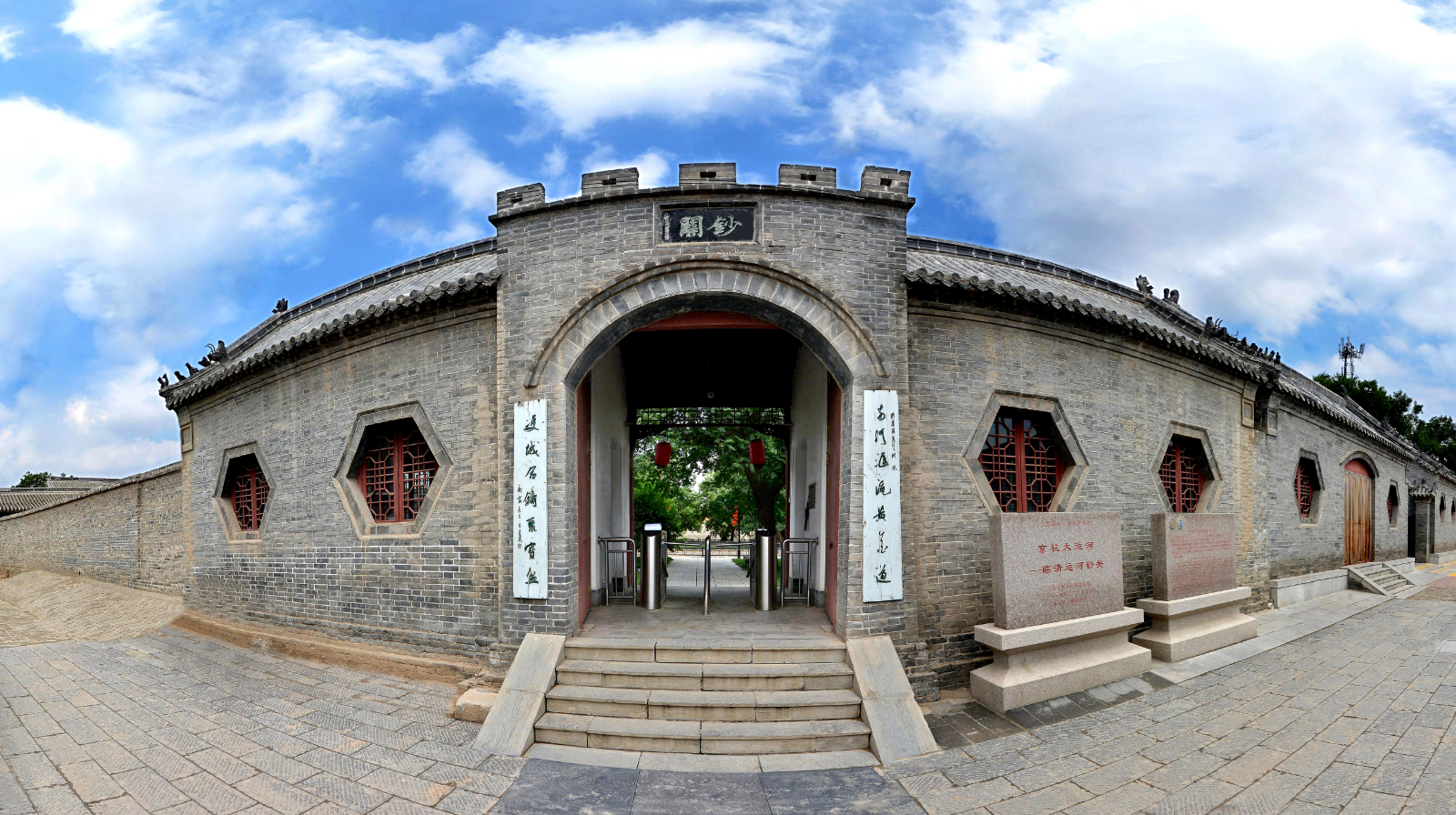
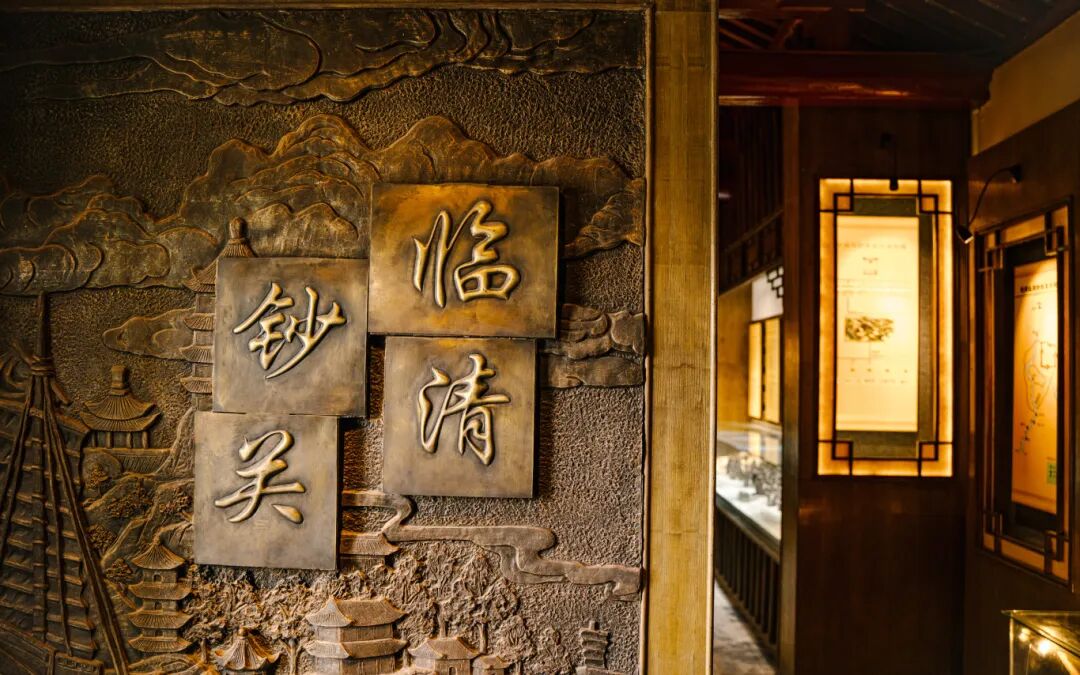
Grand Canal Tax‑collecting Station
The soul of Linqing dwells in the surging waters of the Grand Canal. Known as “the Grand Wharf Under Heaven” along the Grand Canal, every historic site here bears witness to the heyday of grain tribute transport. The Grand Canal Tax‑collecting Station is the only surviving canal tax‑collecting site in China. Deep wheel ruts carved into the bluestone pavements seem to echo the boatmen’s chants of merchant ships docking in days gone by, along with the clicking of abacuses as tax officials assessed cargoes.
Linqing’s charm lies not only in the ancient allure of the Grand Canal but also in the integration of humanity and nature. Linqing Mosque stands as a fine example of cultural fusion. Its Ming‑dynasty murals inside the halls remain brilliantly coloured through centuries of vicissitudes. Ancient cypresses tower in the courtyard, where sandalwood fragrance mingles with chants.
Local people hold the “Five‑Variety Cypress” dear to their hearts. Planted during the Yongle reign of the Ming Dynasty, this ancient cypress is remarkable for bearing five distinct leaf forms on one single tree. Its gnarled branches spread out beneath a luxuriant canopy. In Ode to the Five‑Variety Cypress, Ji Xianlin wrote in high praise: “None of the famous pines I have seen can compare with it.”
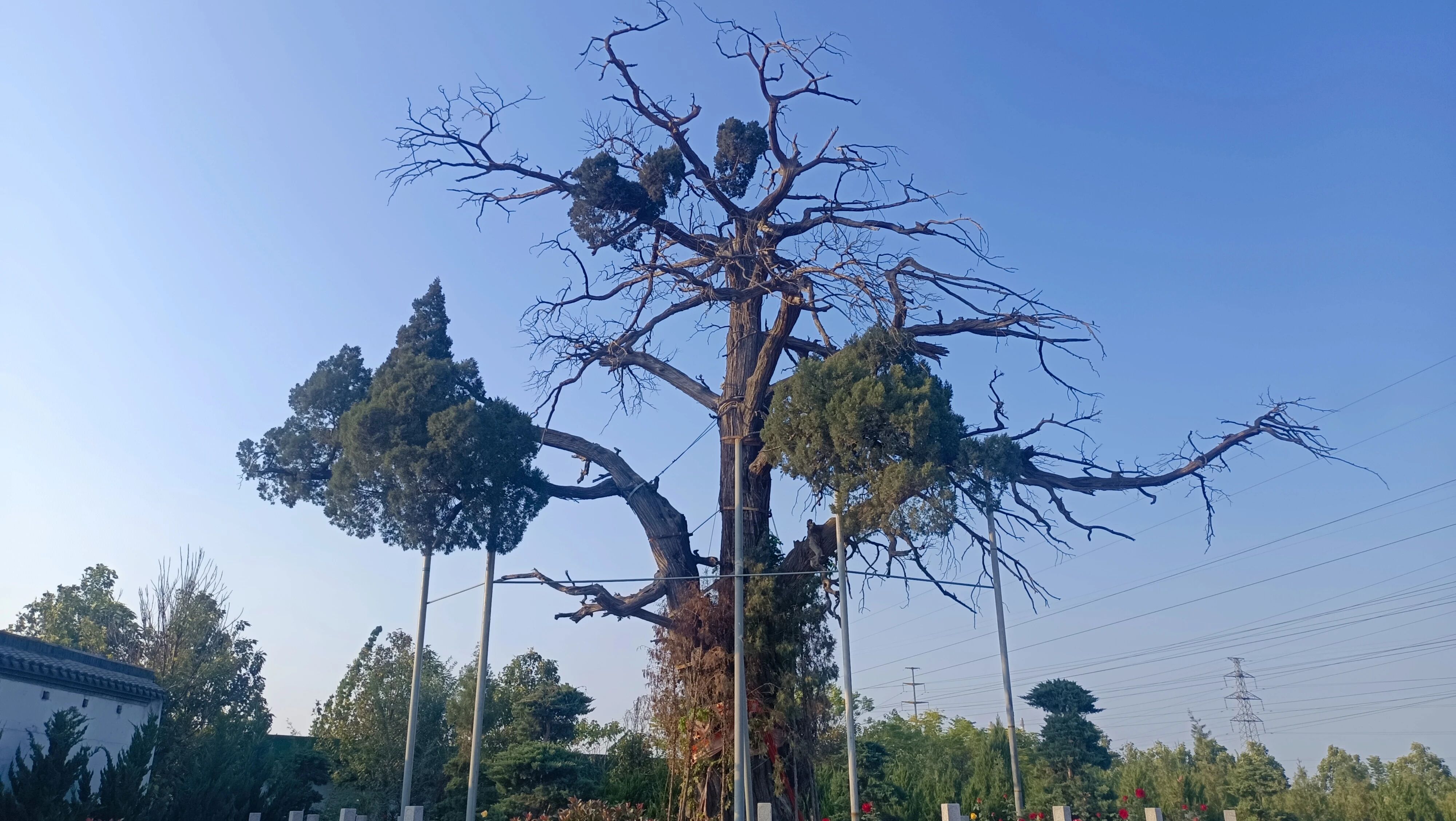
Linqing Mosque & Five‑Variety Cypress
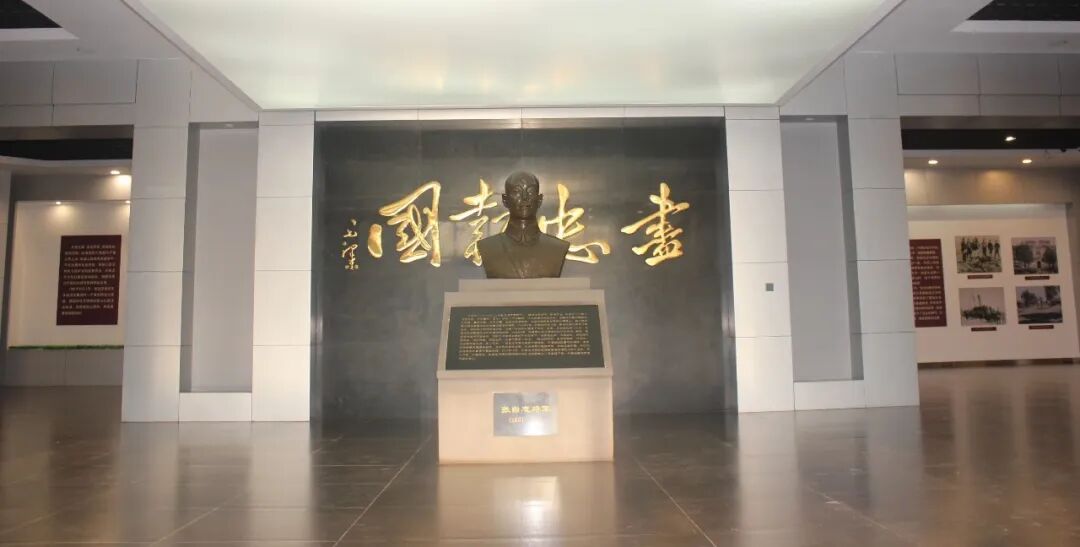
Memorial Hall of General Zhang Zizhong
The Memorial Hall of General Zhang Zizhong preserves the loyalty and integrity of Linqing people. Beneath grey tiles and white walls, the horizontal inscribed board reading “Serve the country with utmost devotion” shines alongside stories of the general sacrificing his life on the battlefield. Inscribed steles with calligraphy by Zhu De and Dong Biwu enshrine the spirit of this anti‑Japanese hero.
The Sarira Pagoda has stood by the canal for more than four hundred years. Layered bracket sets and upturned eaves are adorned with exquisite brick carvings that glow in sunlight. Climb to its top, and you may savour the poetic scene of “Pagoda Shore Bell‑ringing” unfolding in twilight.
Standing guard at the strategic junction of the Grand Canal and the Wei River, Aotouji commands this vital waterway passage. Li Dongyang, a Grand Secretary of the Ming Dynasty, once composed a poem here: “The rushing waters swirl and turn along the broken bank; Wave‑roars rumble day and night like spring thunder.” These lines vividly depict the grand spectacle of thousands of vessels racing along the water in its heyday.
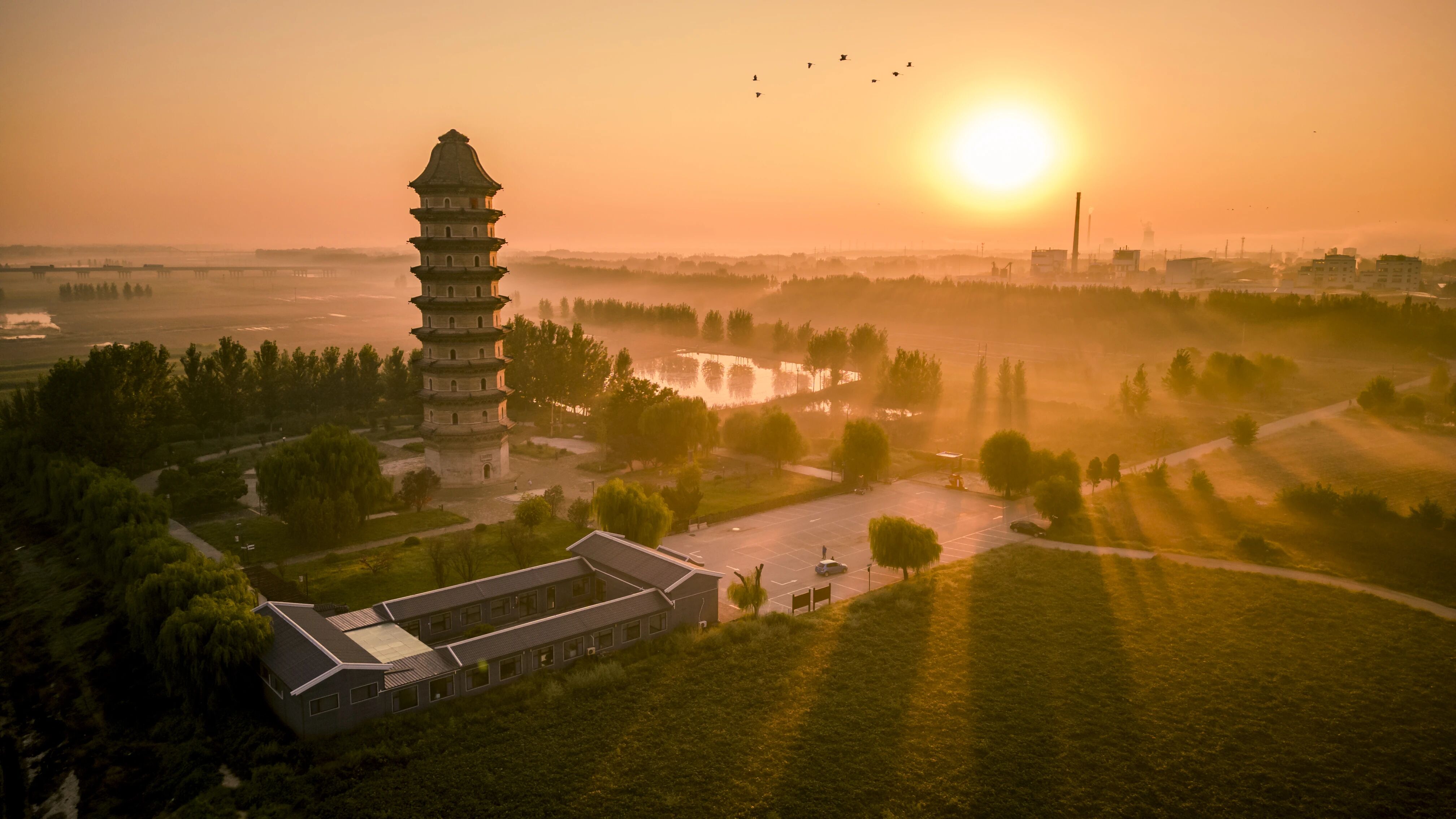
Sarira Pagoda
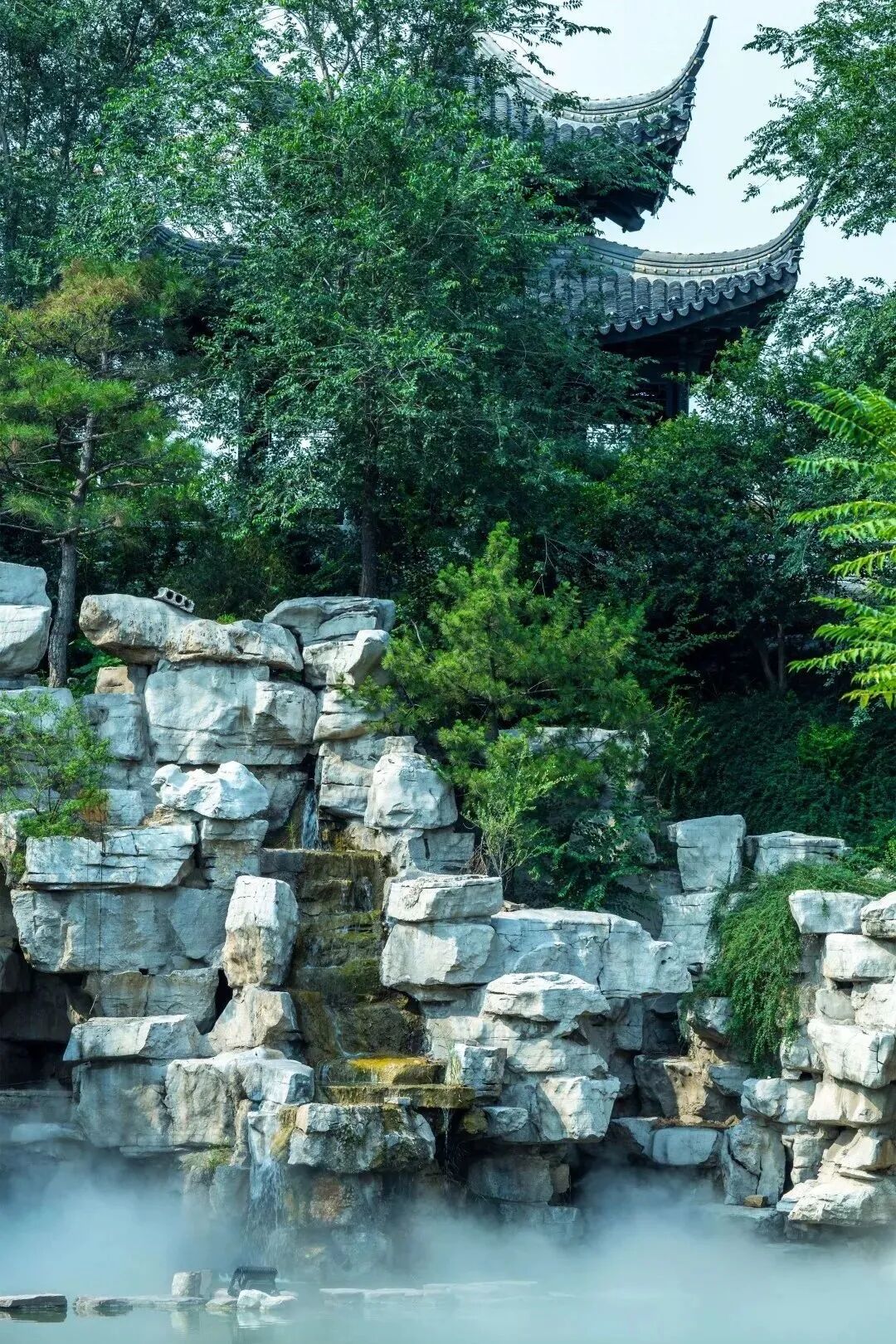
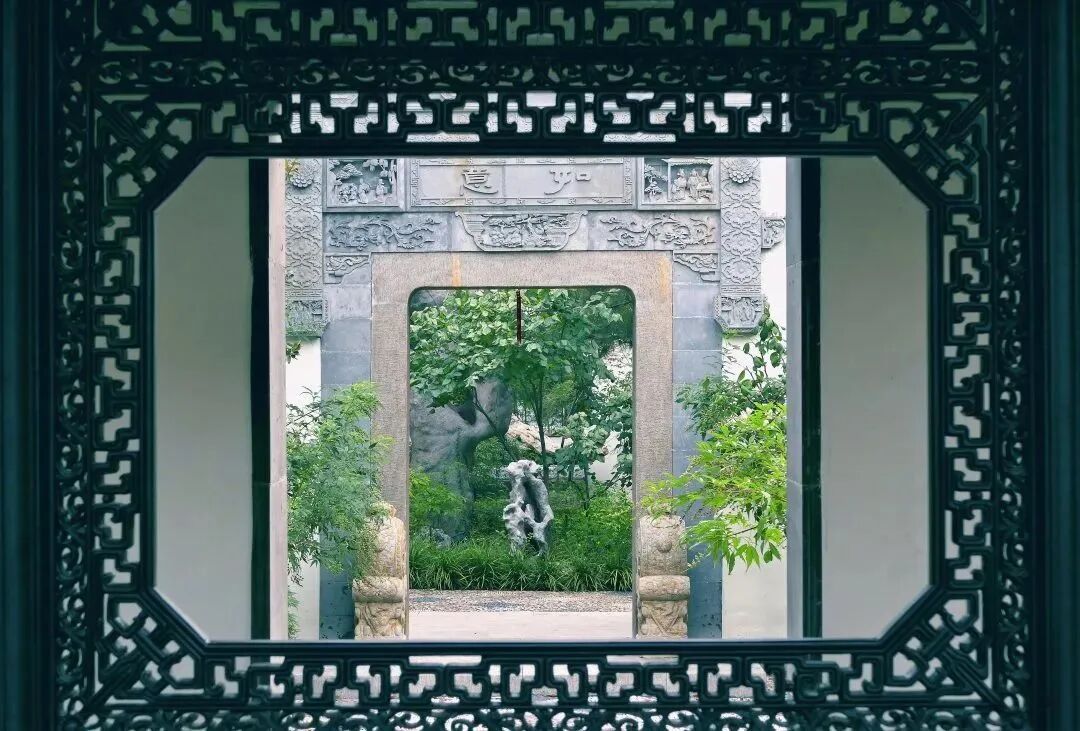
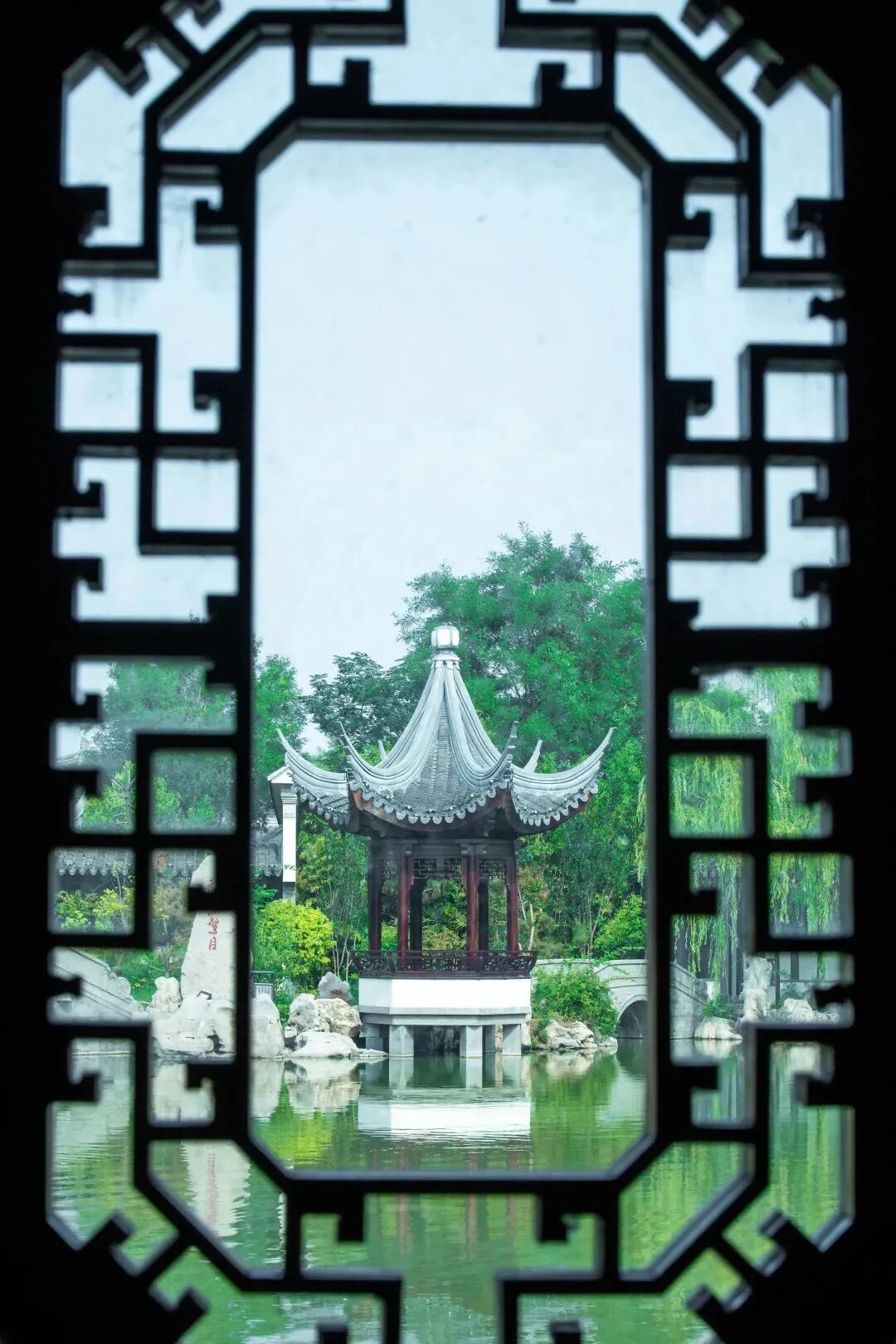
Wanyuan Garden
For an immersive poetic experience, Wanyuan Garden and East Wanyuan Garden are must‑visit spots. Wanyuan Garden blends the grace of Jiangnan gardens with the grandeur of northern Chinese gardens. The brick‑carved screen wall Prosperous Canal Port recreates the bustling glory of this canal hub.
East Wanyuan Garden features “Three Streets and Twelve Lanes” modelled on Ming‑Qing city‑market scenes. At night, bright lanterns cast a warm glow while water‑screen light shows unfold, transporting visitors straight into the world depicted in Jin Ping Mei.
Longshan Park serves as Linqing’s “urban green lung”. Climbing up to Wangyue Pavilion, visitors can overlook the magnificent confluence of the Wei River and the Grand Canal. Named after Emperor Qianlong’s visit, Phoenix Ridge hosts more than one‑hundred stone steles. Among them, the imperial stele of Qianlong and the monument marking Zhang Zizhong’s hometown recount the vicissitudes of history.
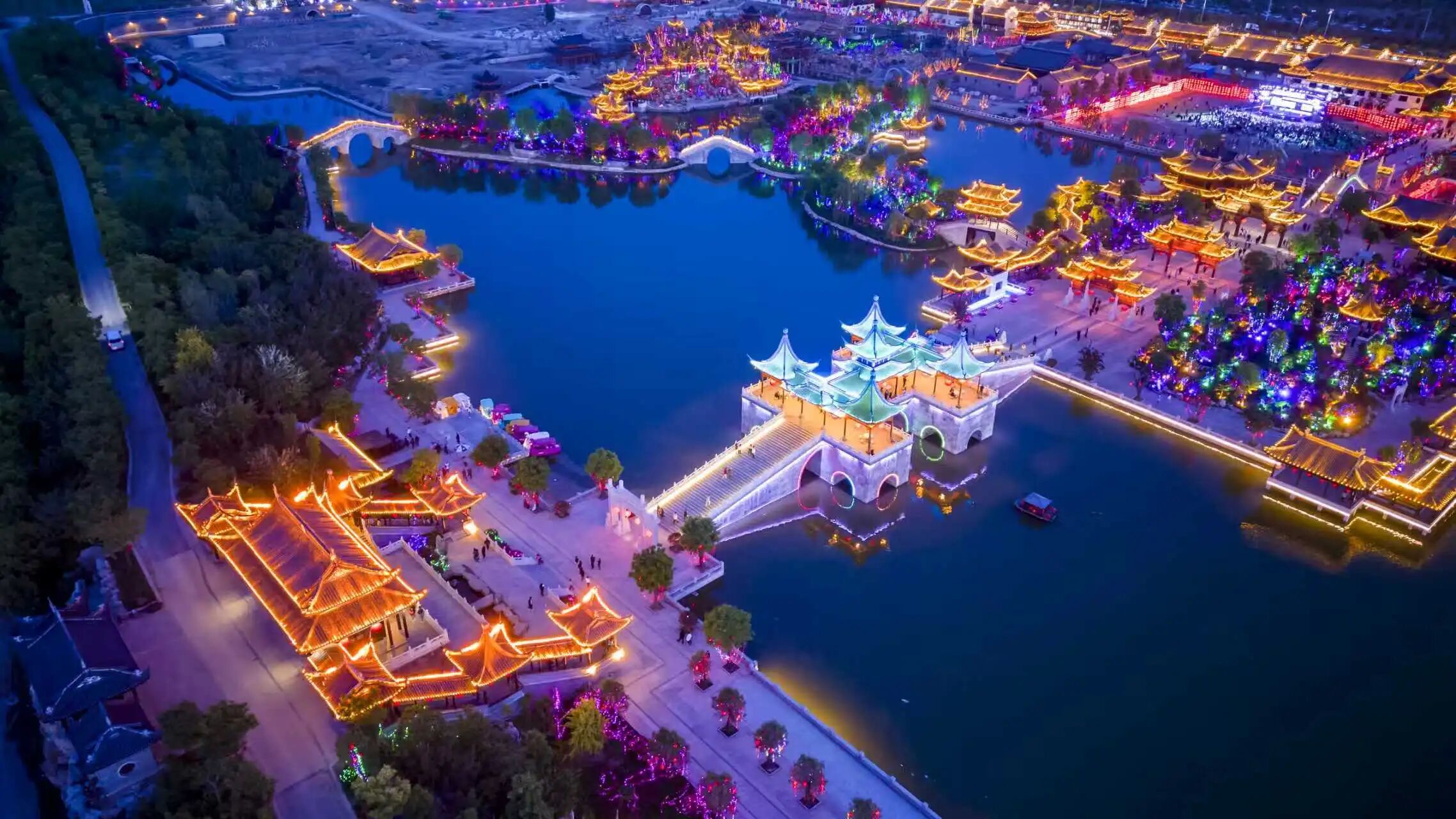
East Wanyuan Garden Night View
Linqing Canal Cuisine & Local Delicacies
Linqing’s flavours are nurtured by the Grand Canal. During the Ming and Qing dynasties, swarms of merchants fostered inclusive local cuisine. With both down‑to‑earth street‑food charm and elegant banquet dishes, Linqing Canal Cuisine stands as a distinctive branch of Shandong cuisine.
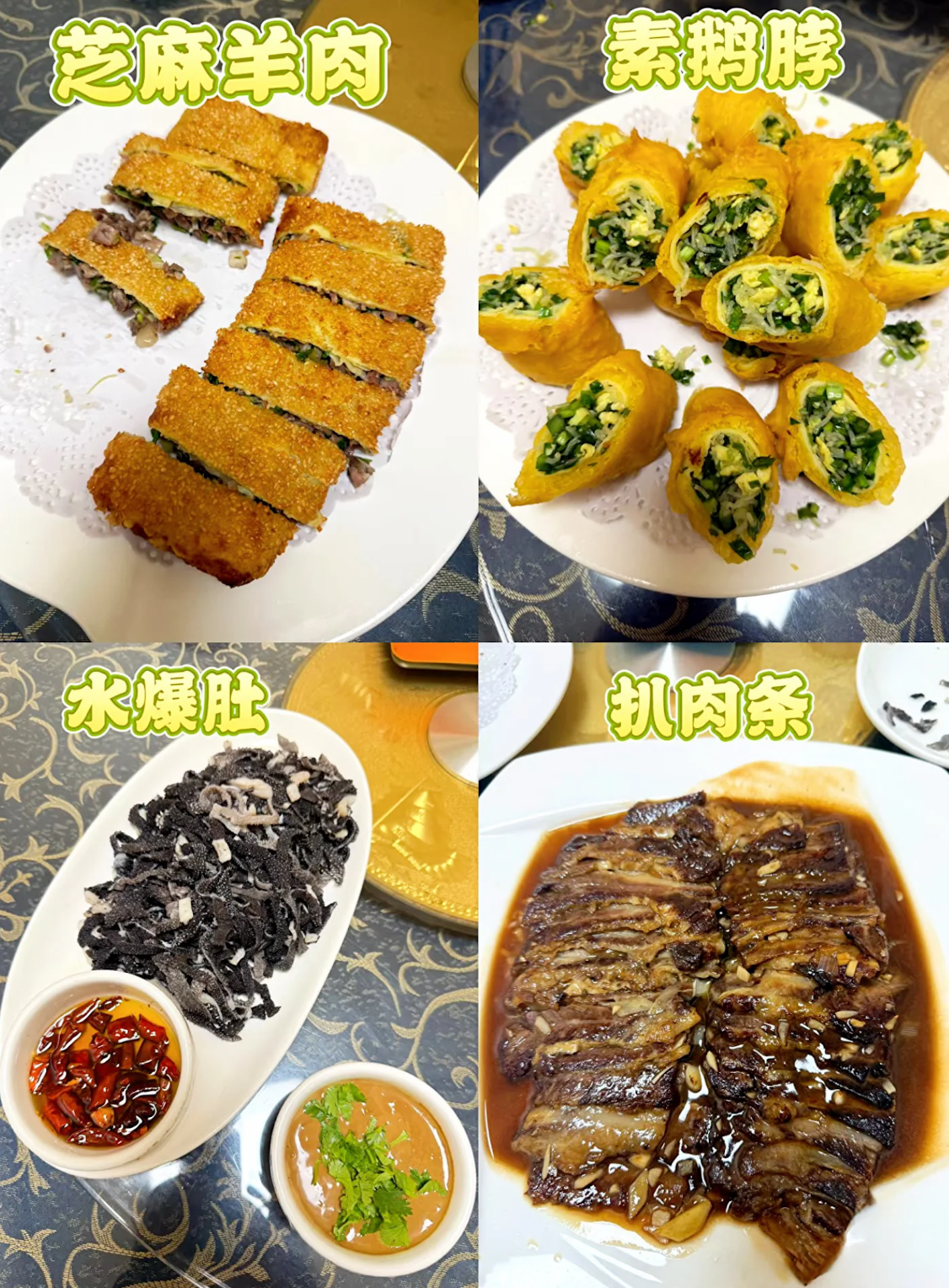
Chao Guan Banquet
If you cannot decide what to eat, try Linqing’s Eight Great Bowls, a grand feast featuring eight signature dishes. Known as the Chao Guan Banquet, it inherits the time‑honoured catering culture of the canal wharf.
Among its rich flavours, Linqing’s noodle‑making embodies millennia‑old culinary wisdom. Hammered‑Chicken Noodles: “You eat chicken yet see no chicken; you eat noodles yet they are not ordinary noodles”. Chicken is pounded into paste to form noodle strands, melting on the tongue with rich umami.
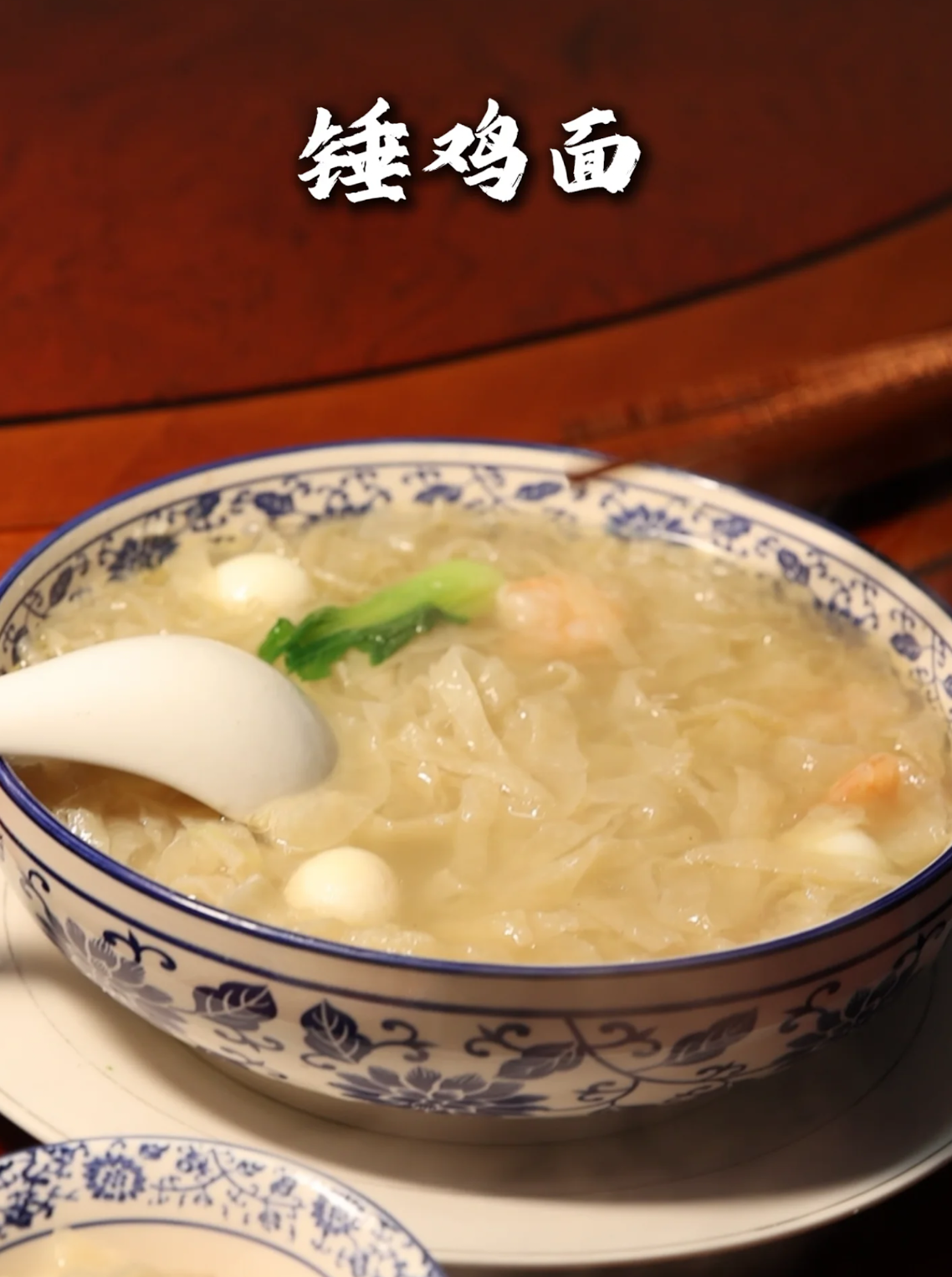
Hammered‑Chicken Noodles
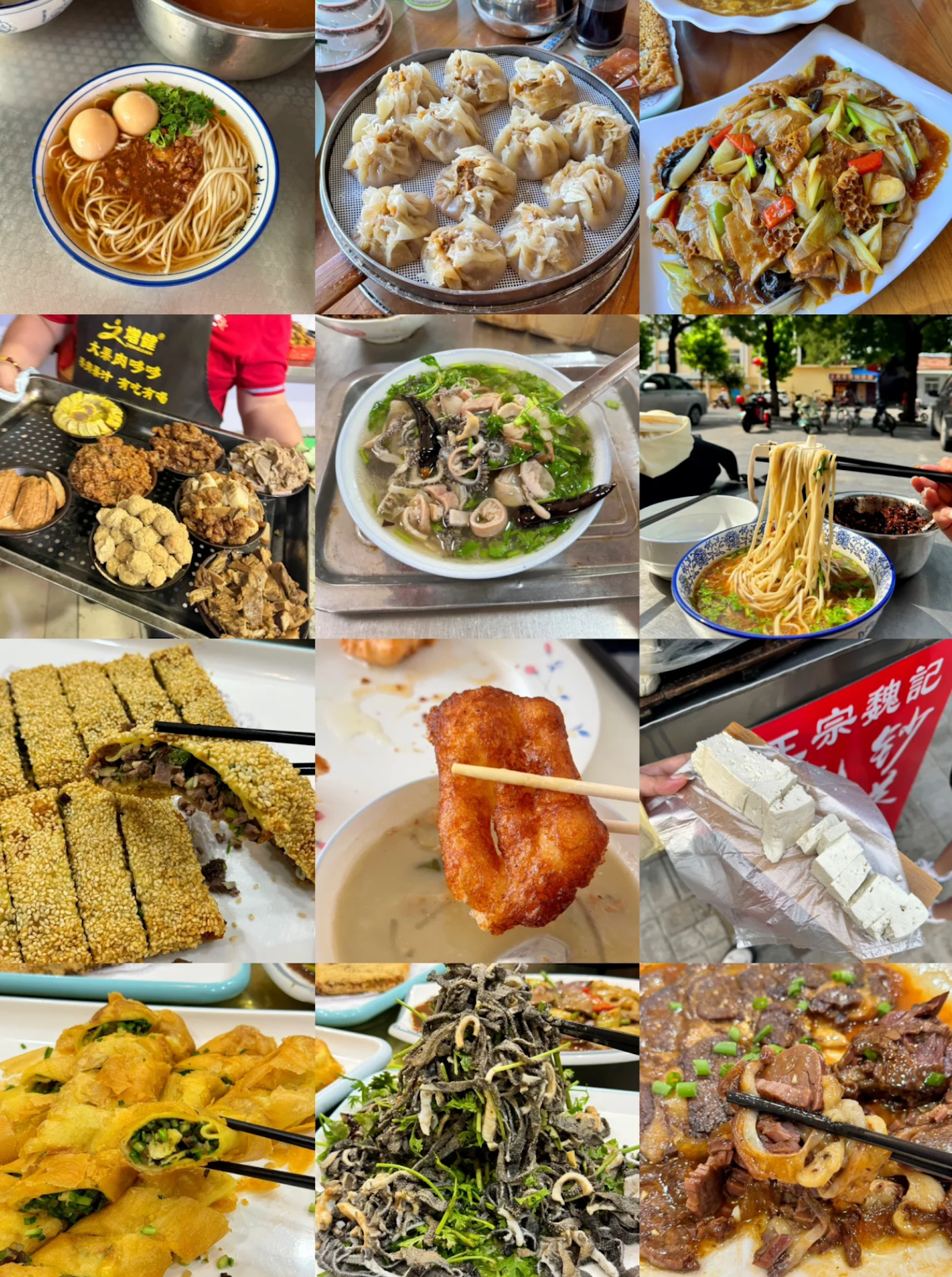
Street Food in Old Hutongs
Warm‑flavoured Noodles, mentioned in Jin Ping Mei as a dish favoured by the wealthy, are smooth, springy and brimming with street‑market charm. Linqing hand‑pulled noodles are found in streets and alleys, a daily delight for locals. Linqing steamed dumplings, with plump meat fillings and paper‑thin wrappers, rank as the city’s star food.
Known as “the hometown of pickles”, Linqing pickles are salty, fresh and crisp. Perfect with congee or rice, they form an indelible hometown taste memory.
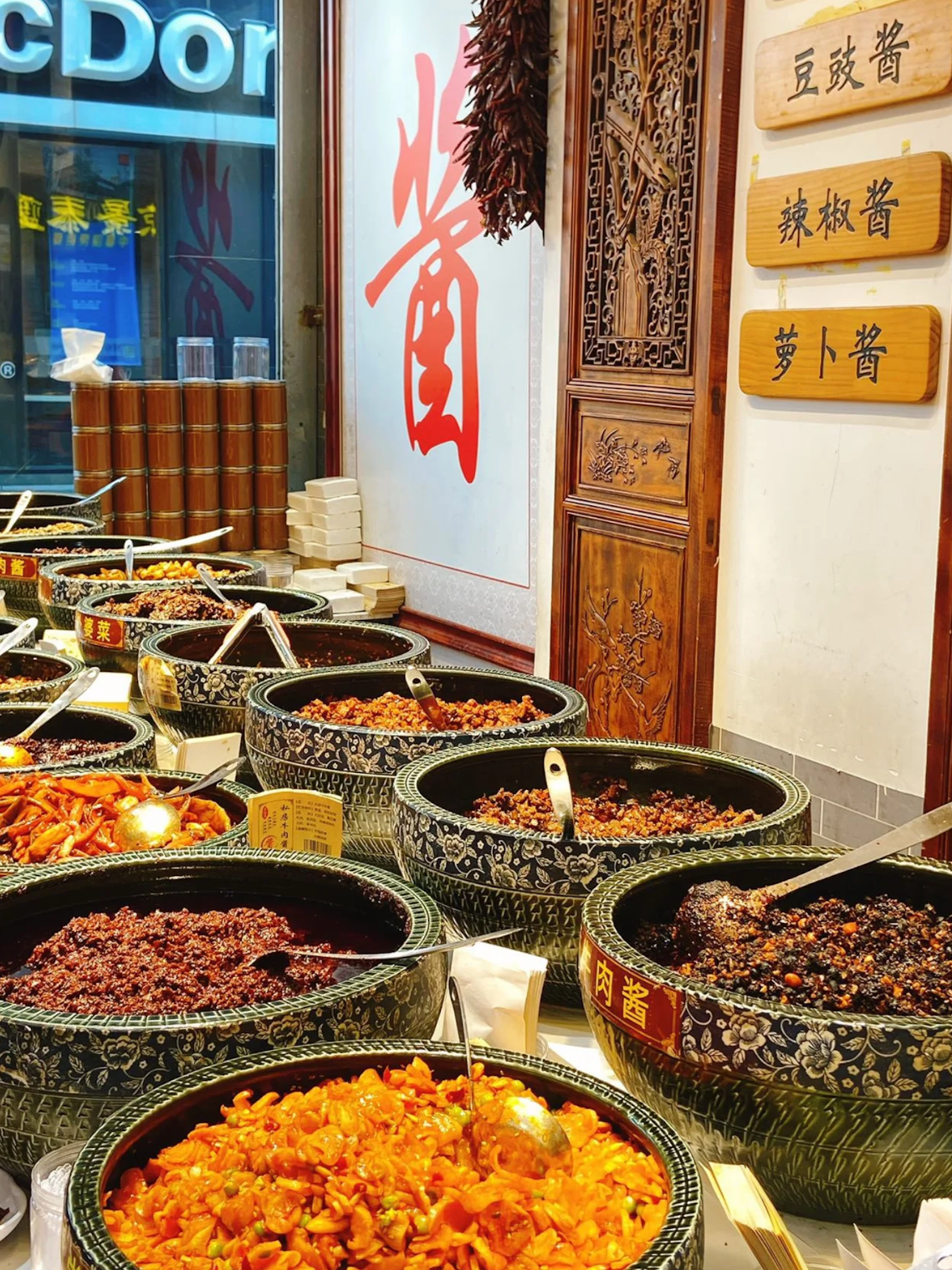
Linqing Pickles
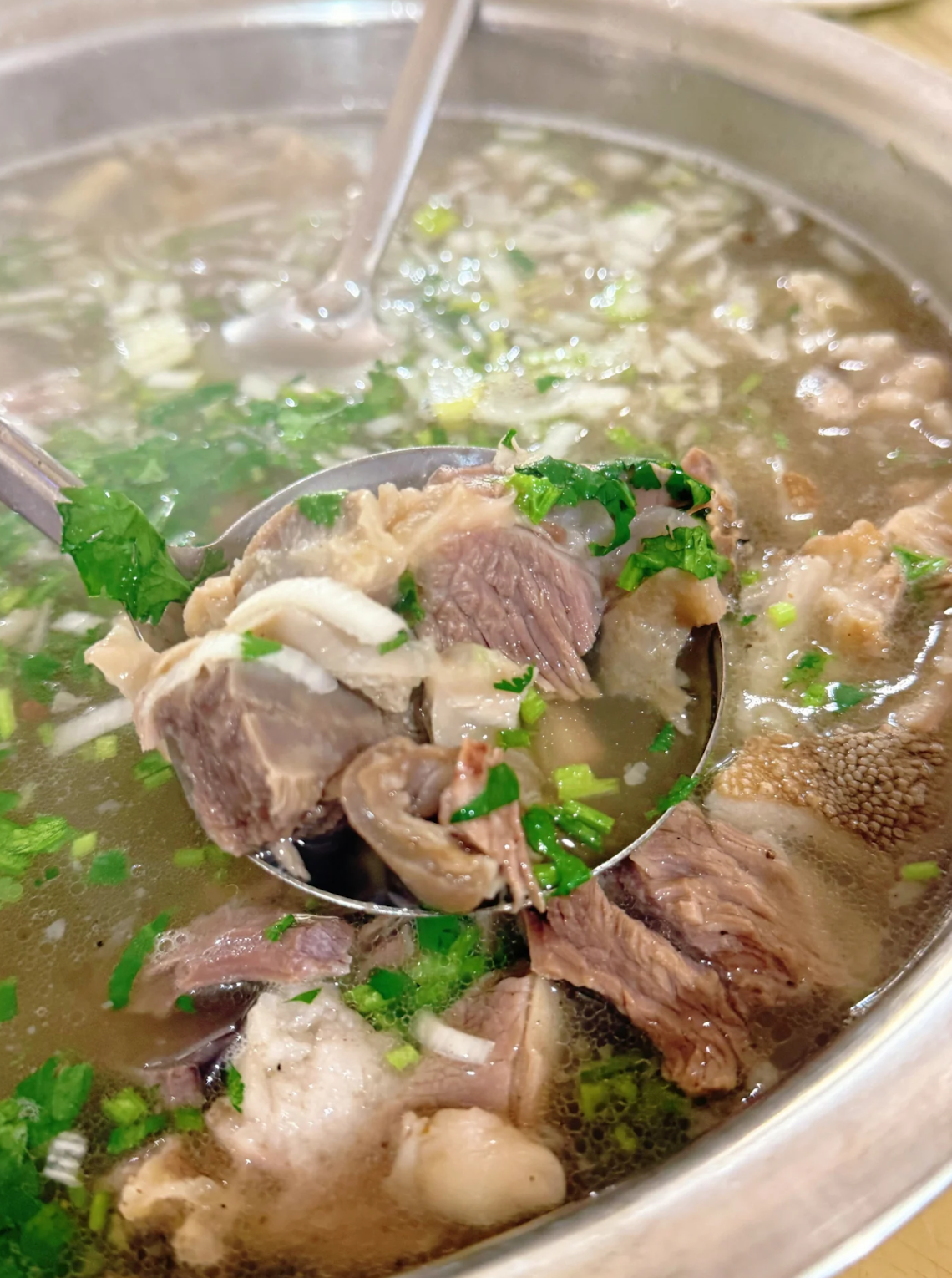
Slow‑simmered Clear‑broth Mutton
Slow‑simmered clear‑broth mutton is tender, mellow and free of greasiness. Braised mutton, fried then stewed in sauce, delivers sweet‑and‑rich, tantalising aromas.
Shixiang Noodles won high praise from Emperor Qianlong, who granted its name. One bowl comes with more than ten kinds of toppings, fresh and savoury. It is the representative signature noodle of Linqing.
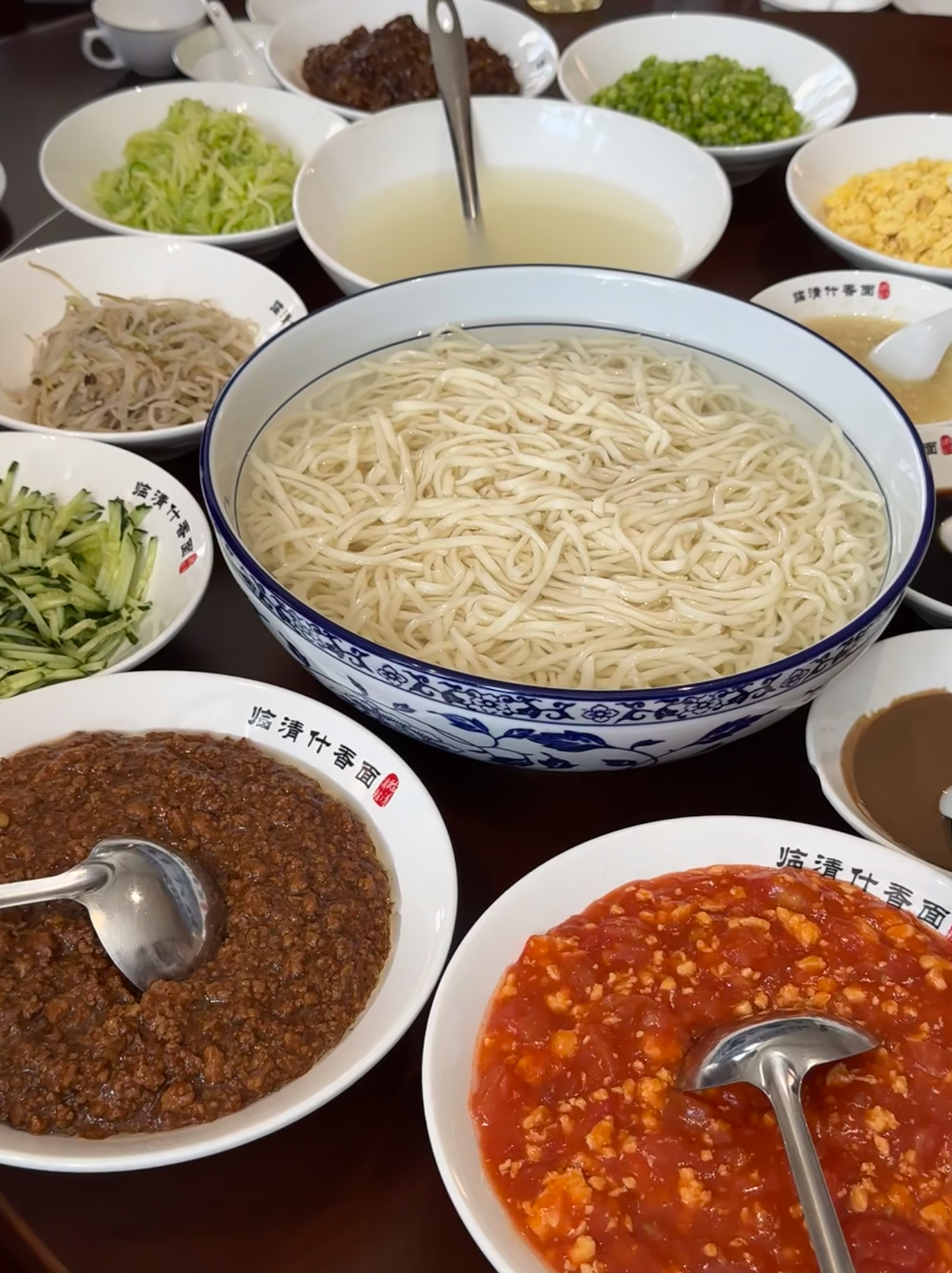
Shixiang Noodles
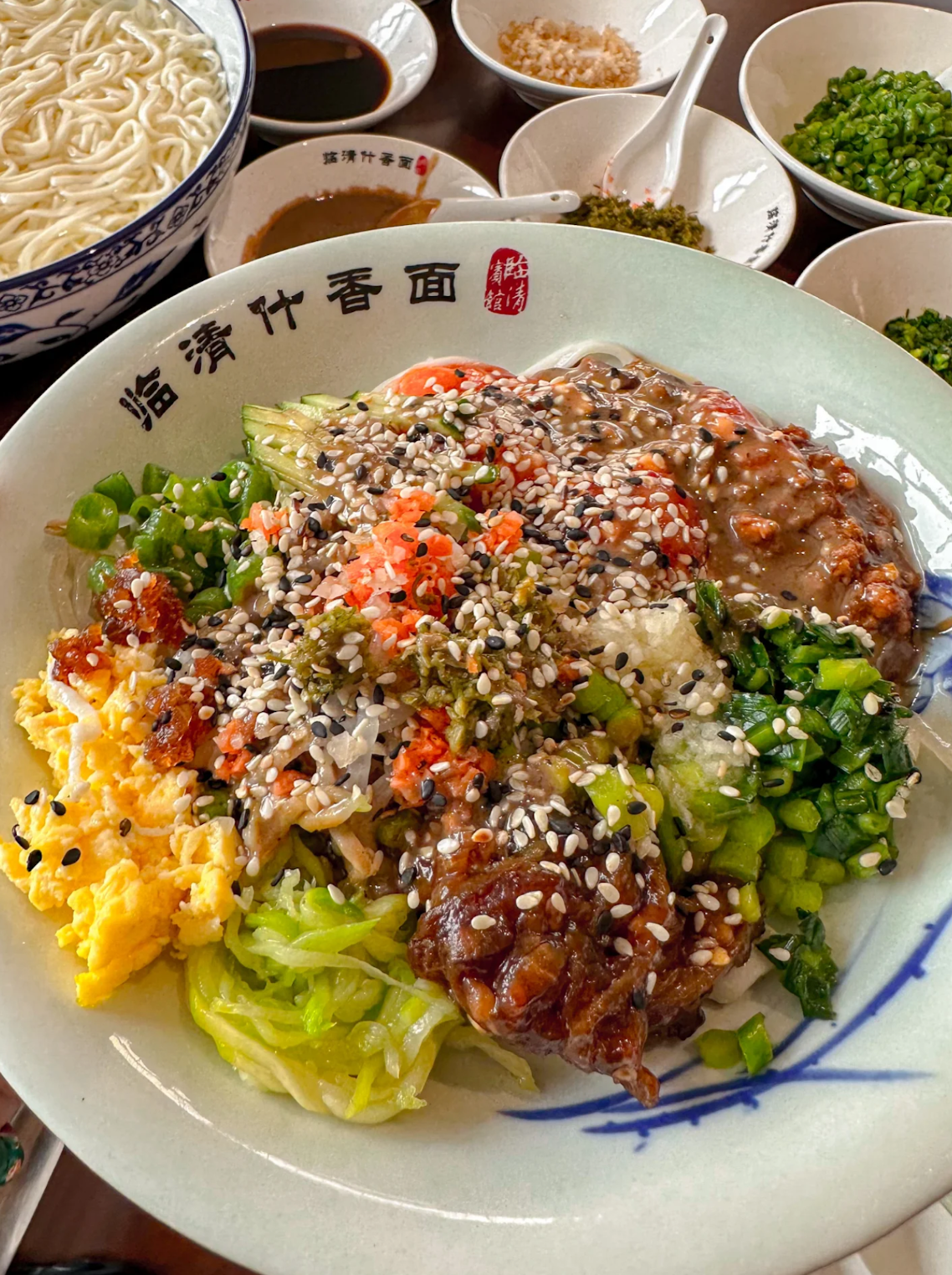
Shixiang Noodles with Multiple Toppings
Various colourful side dishes are neatly arranged. Mix them well with noodles and sauce, and you get a full‑bodied, multi‑layered local flavour experience.
From deep wheel ruts at the Grand Canal Tax‑collecting Station to gentle wind‑chimes of the Sarira Pagoda; from dazzling light shows at Wanyuan Garden to the inviting aroma of Shixiang Noodles, Linqing is a small city brimming with ancient sightseeing charm and delightful culinary flavours.
It preserves millennia‑old Grand‑Canal tales in its historic architecture and infuses the warm spirit of everyday folk life into its local cuisine.
Come and discover timeless Linqing!
Plum-Blossom Stake Boxing
— Liaocheng’s Intangible Cultural Heritage of Martial Arts —
Rooted in stakes, embodied by fists — Plum-Blossom Stake Boxing is a time-honored traditional Chinese martial-art style and one of Liaocheng’s representative provincial-level intangible cultural heritage traditions. For hundreds of years, it has taken root and flourished in western Shandong, nourished by the Grand Canal culture, becoming an important cultural symbol of Liaocheng, the “City of Water in Northern China.”
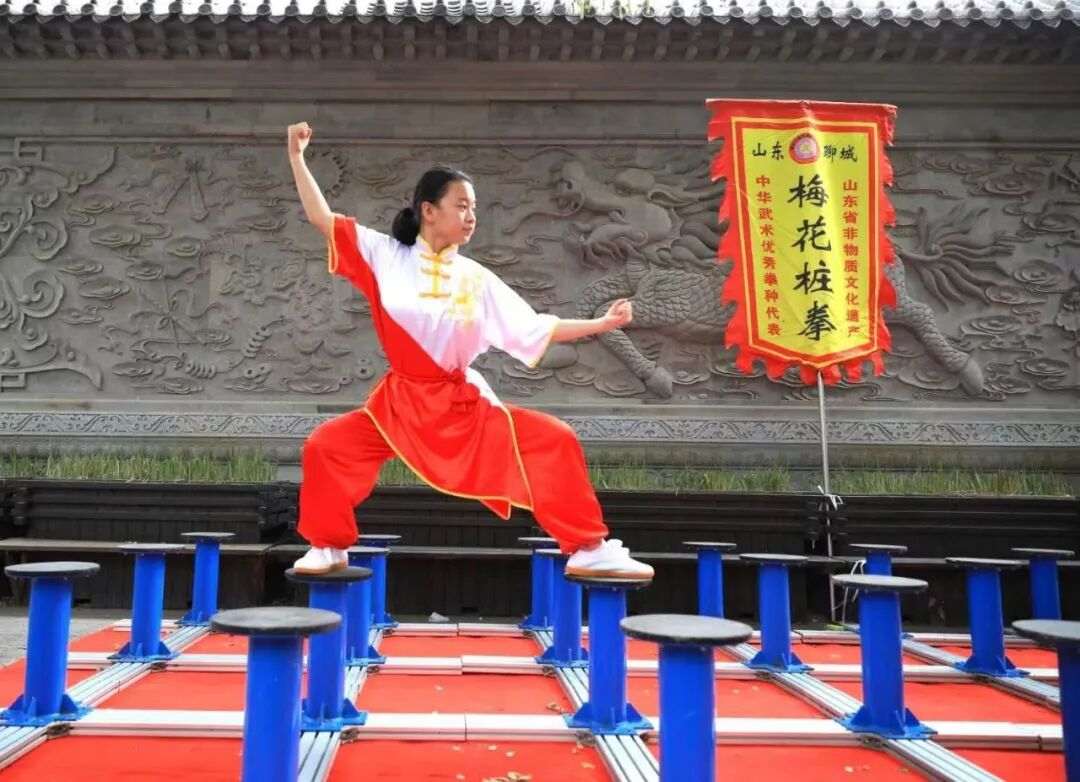
Scholarly research traces the origin of this boxing style back to the late Ming and early Qing dynasties. It was created by ancient folk martial artists who integrated strengths from diverse boxing schools.
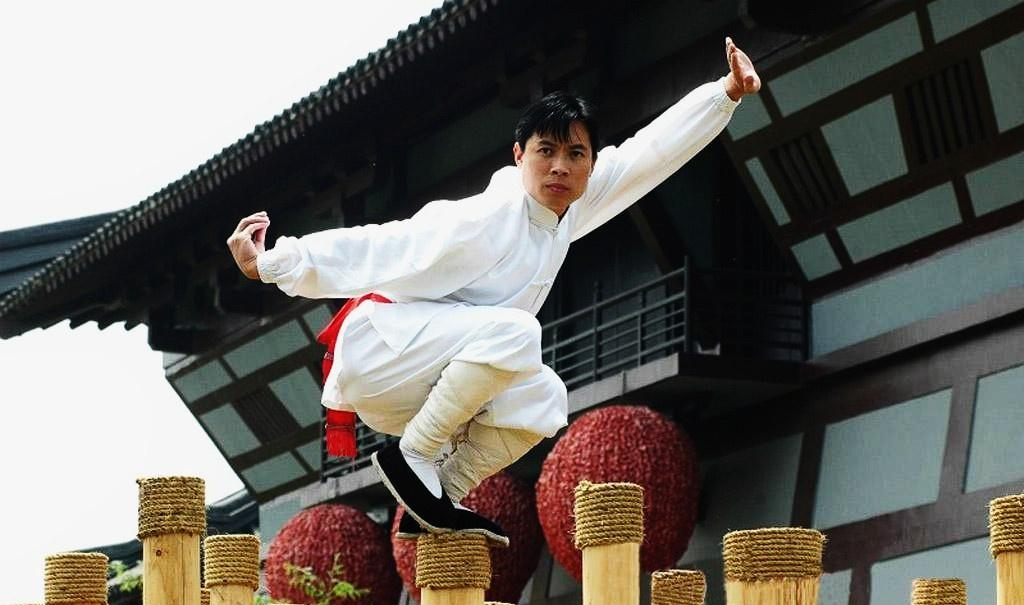
In ancient times, martial artists practised body movement and footwork atop wooden stakes. Five stakes were arranged in the pattern of five plum-blossom petals. Practitioners leaped and weaved among the stake array with nimble, well-tuned footwork, hence the name Plum-Blossom Stake Boxing.
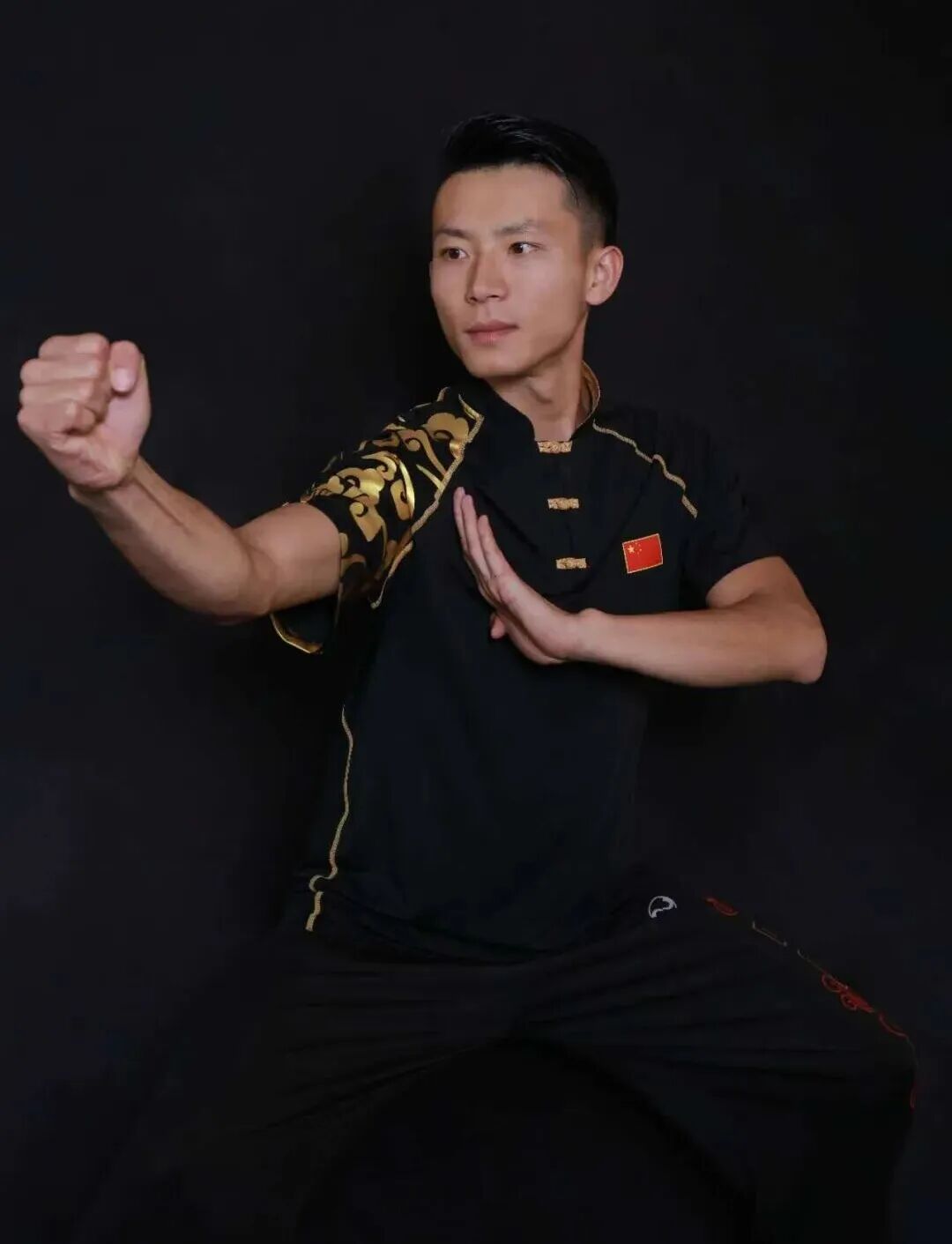
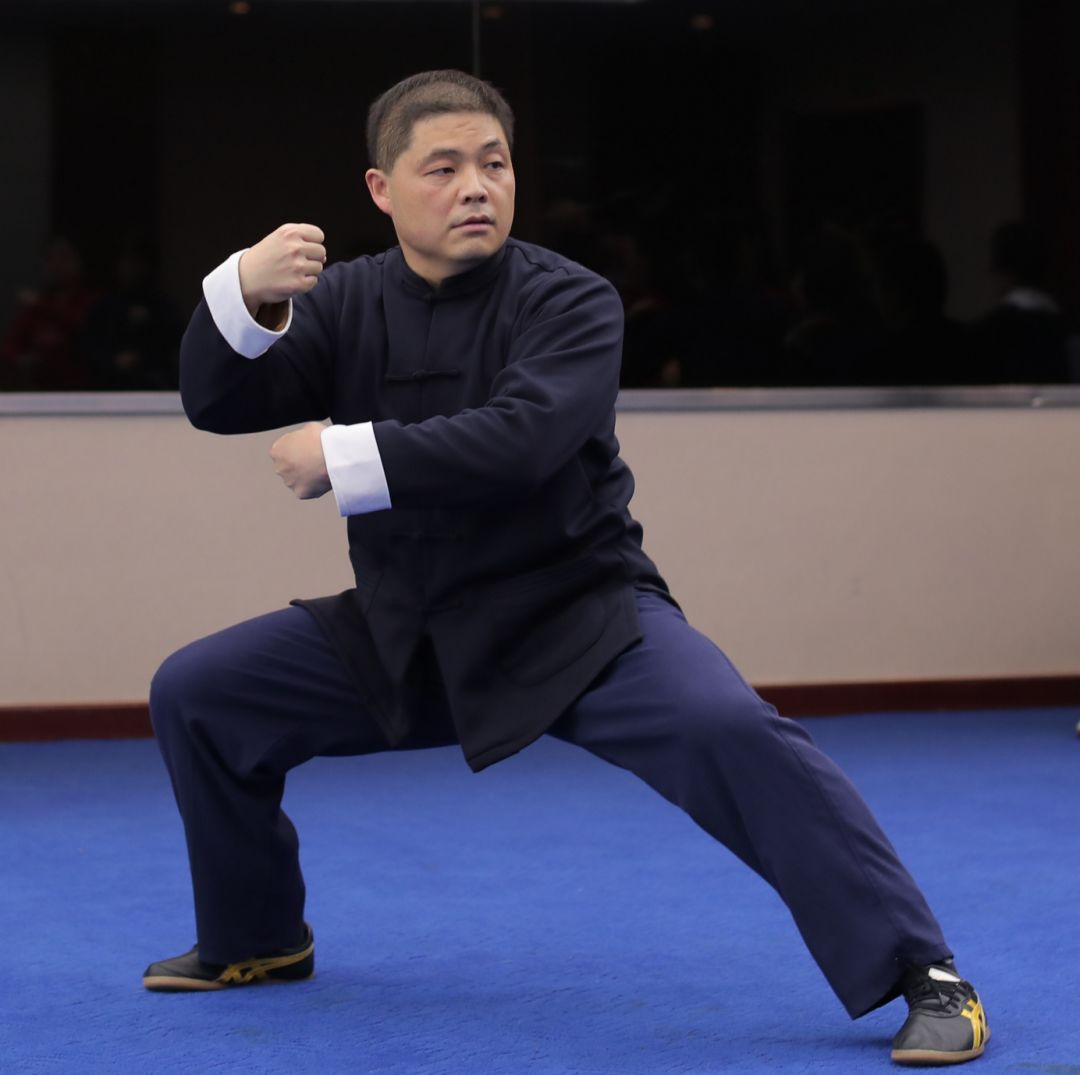
Originally developed for self-defence and community protection, this martial art absorbed Taoist wellness philosophies and traditional Yin-Yang and Five-Elements theories as it spread. It shed the ferocity of combat and gradually developed into a well-rounded martial system balancing martial skills and spiritual cultivation.
The complete system of Plum-Blossom Stake Boxing centres on stake training as its foundation, following the traditional principle “Master the stakes before practising boxing.” Stake training strengthens the lower body and helps regulate breathing and posture. Its routines combine motion and stillness, hardness and softness. Techniques are solid and powerful while movements remain light and agile, with restrained, sustained force rather than brute strength.
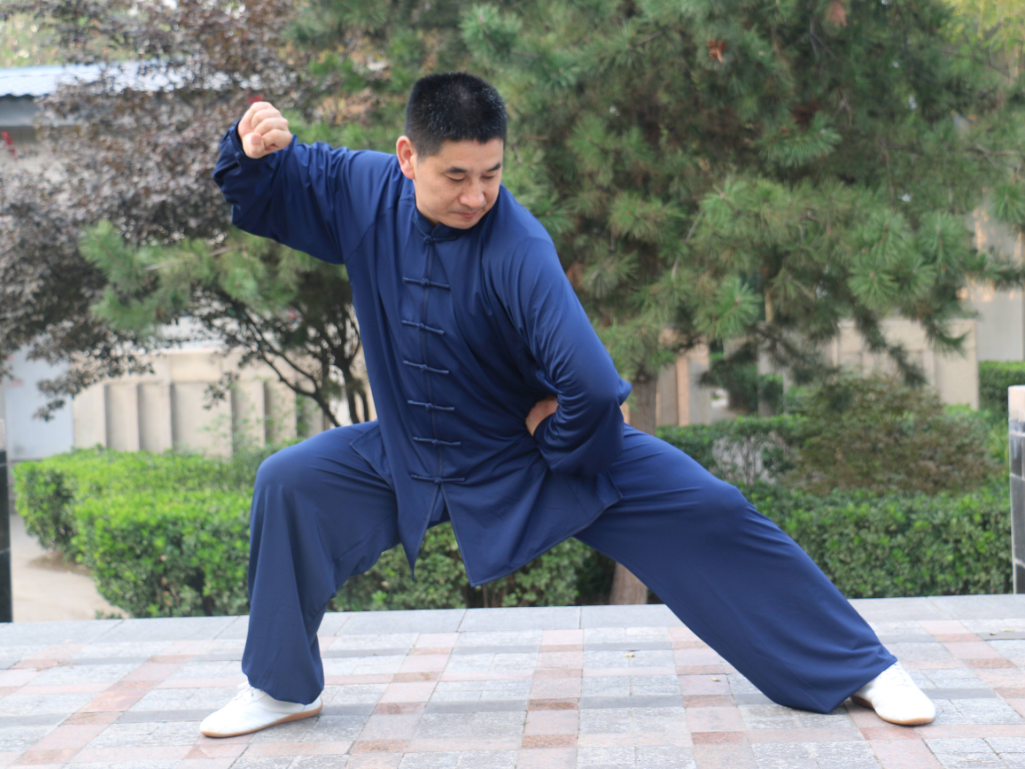
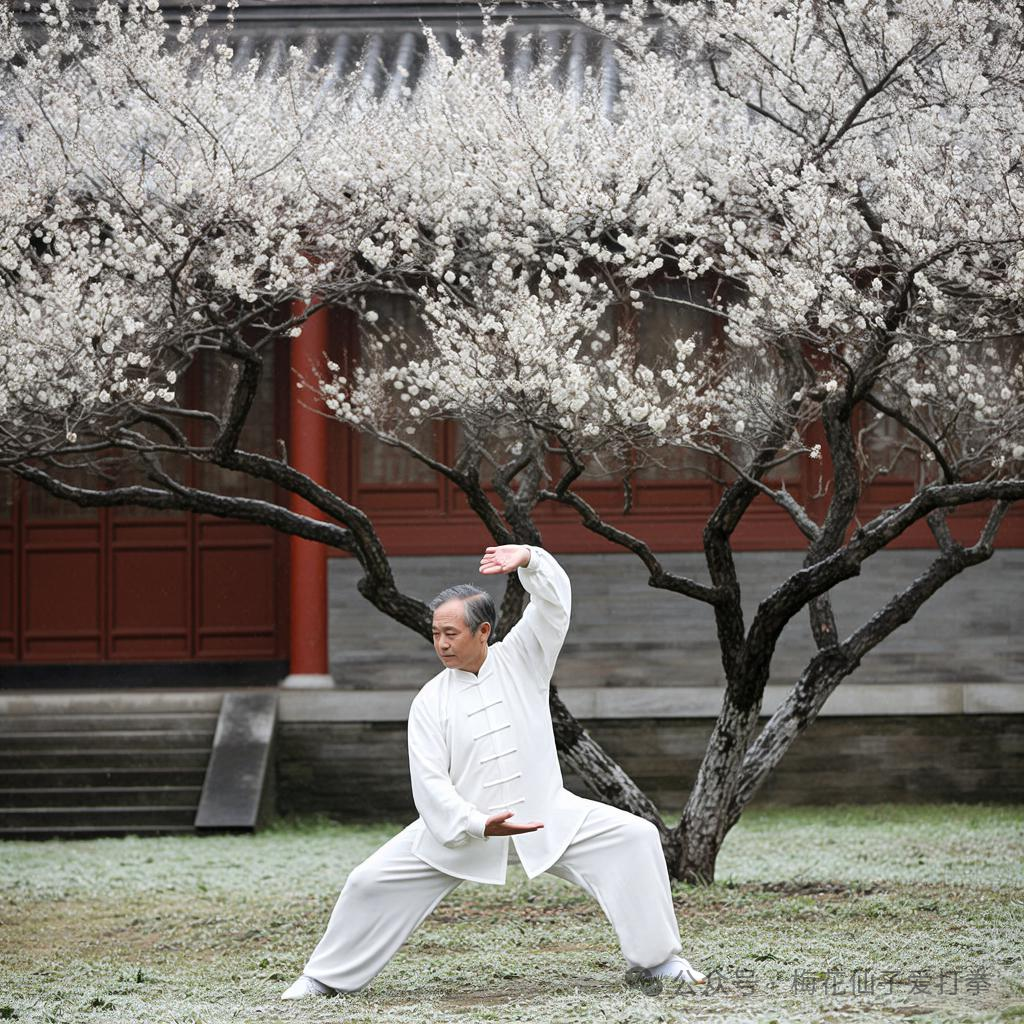
Far more than bare-hand combat techniques, this martial art includes long- and short-range weapons, sparring practice, internal-energy breathing exercises and wellness regimens. It integrates physical fitness, moral cultivation and vitality preservation.
Regular practice of Plum-Blossom Stake Boxing can improve flexibility, promote circulation, and relieve muscle tension and physical discomfort. It also calms the mind and shapes one’s temperament, reflecting the Chinese pursuit of self-discipline and self-improvement.
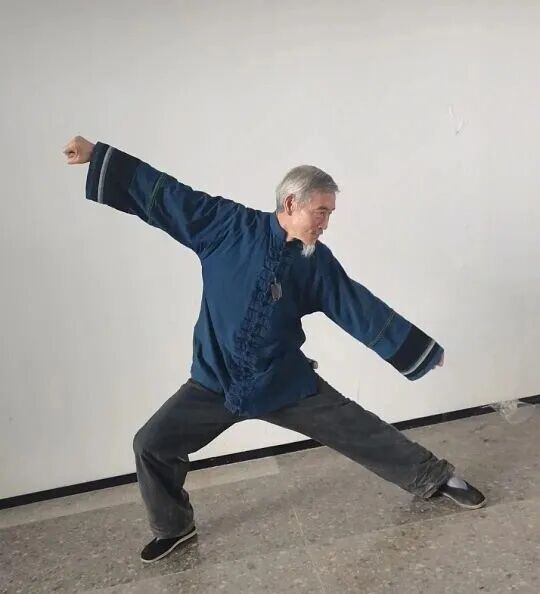
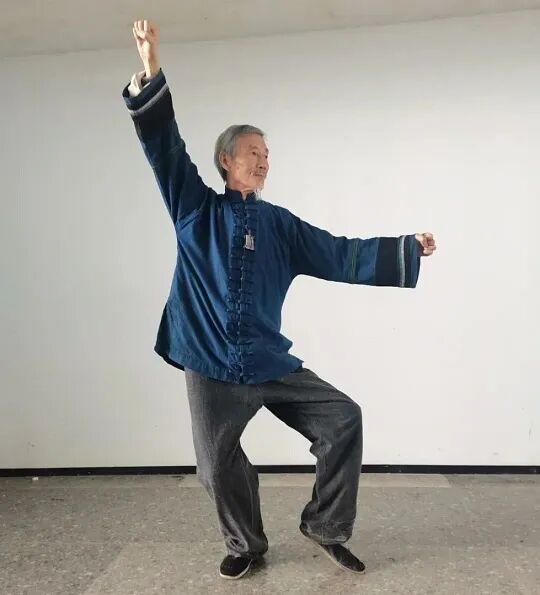
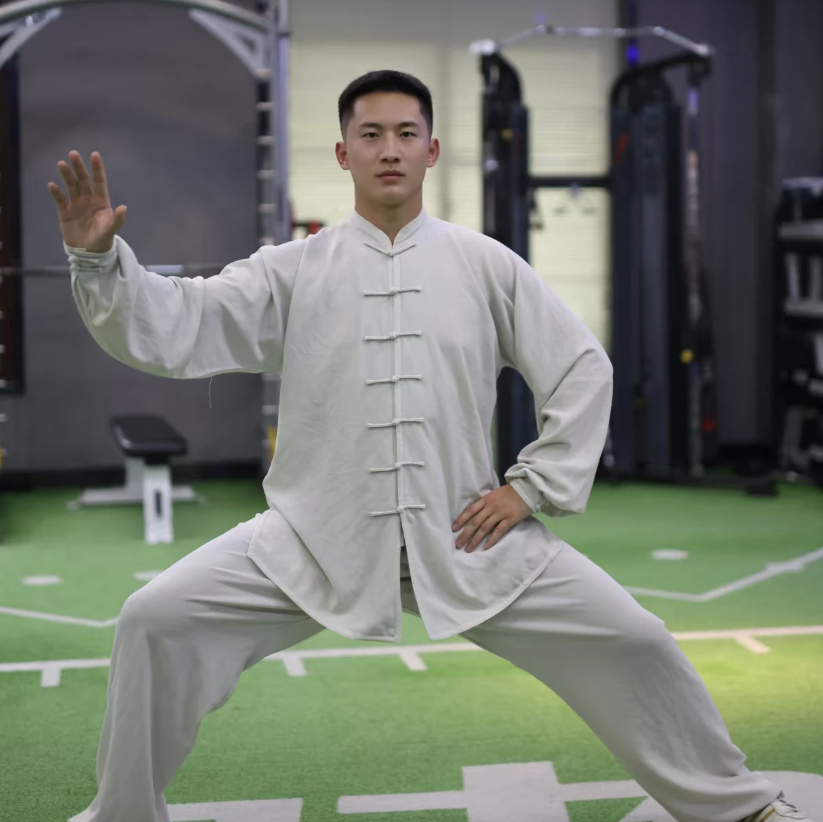
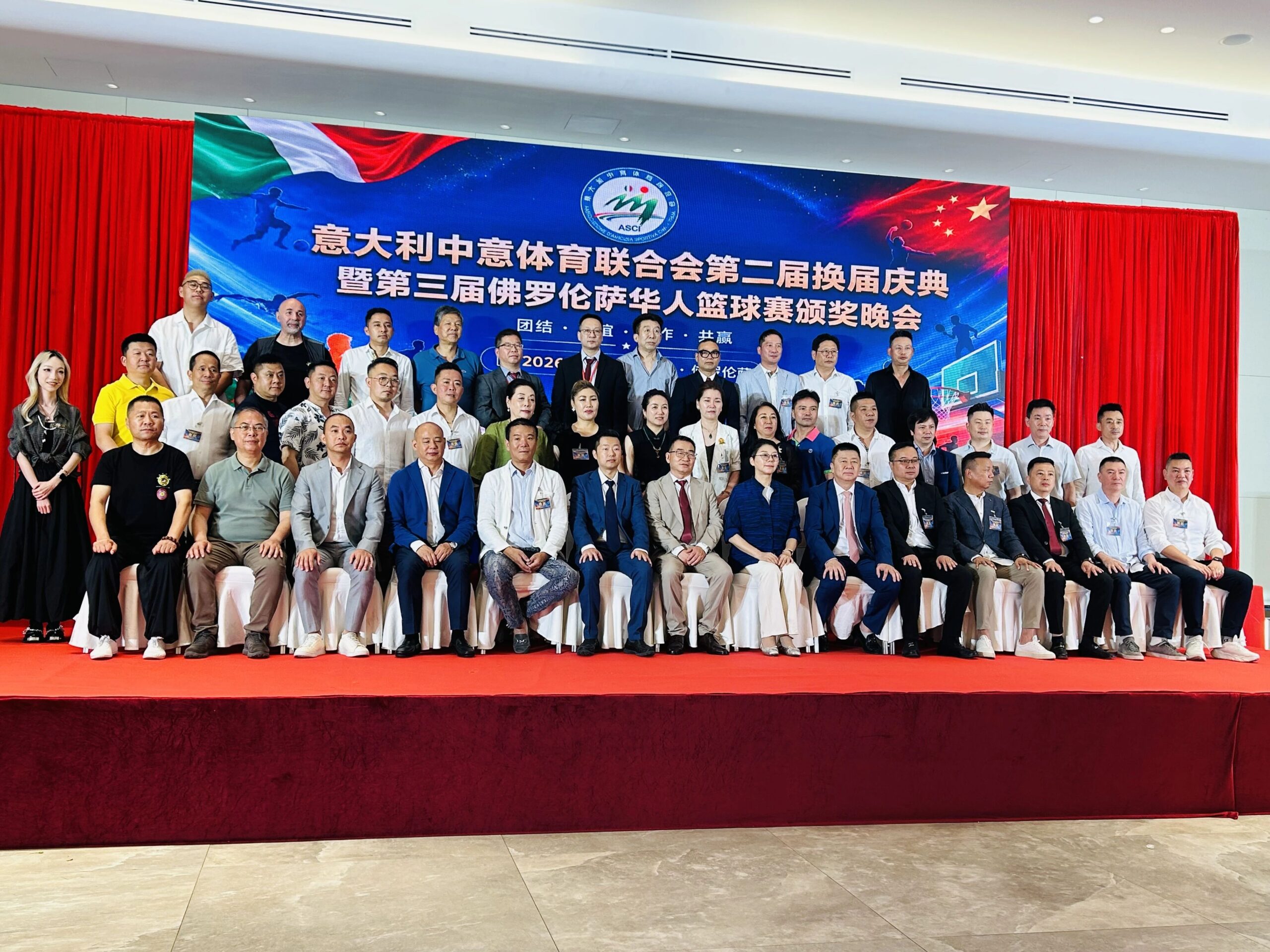
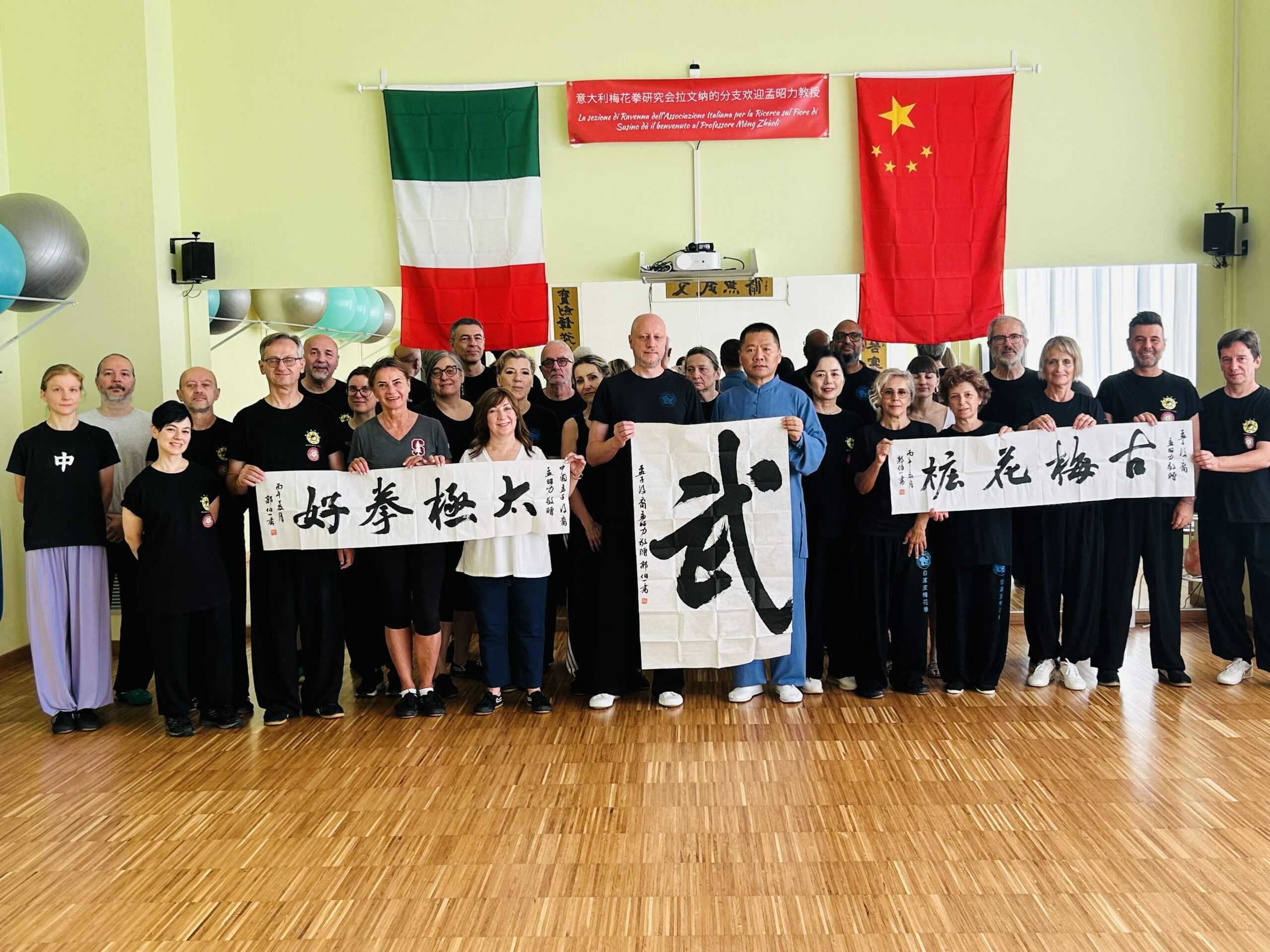
To boost global dissemination of fine traditional Chinese culture, Meng Zhaoli, the 18th-generation inheritor of Liaocheng’s provincial-level Plum-Blossom Stake Boxing, travelled to Italy. Using martial arts as a cultural bridge, he has introduced this time-honoured martial tradition from western Shandong to audiences across Europe.
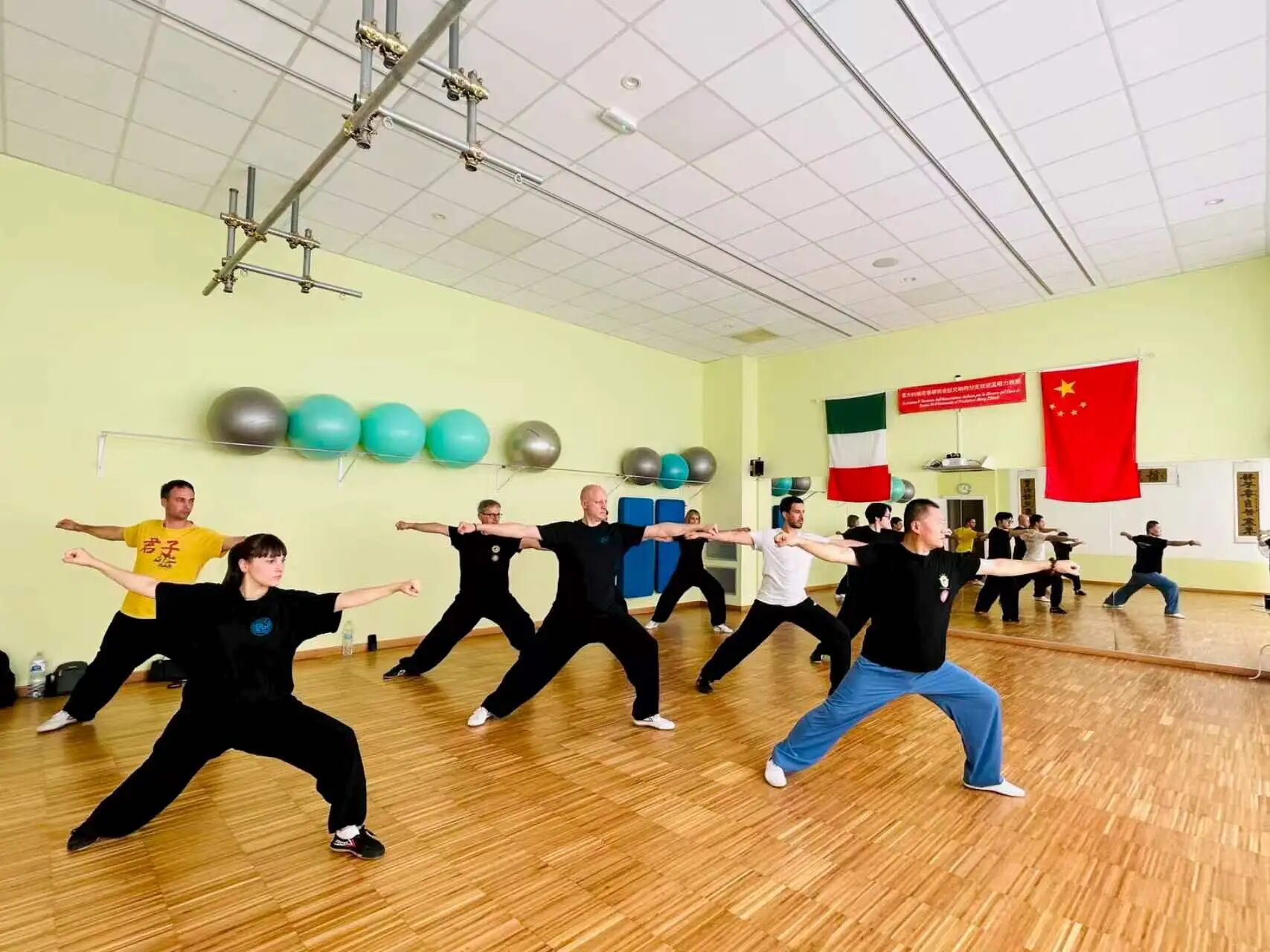
Meng Zhaoli holds regular courses for local martial-arts enthusiasts, systematically teaching Plum-Blossom Stake Boxing and Yang-style Tai Chi. Its harmonised hard-and-soft movements and profound ancient martial heritage quickly gained popularity among local practitioners.

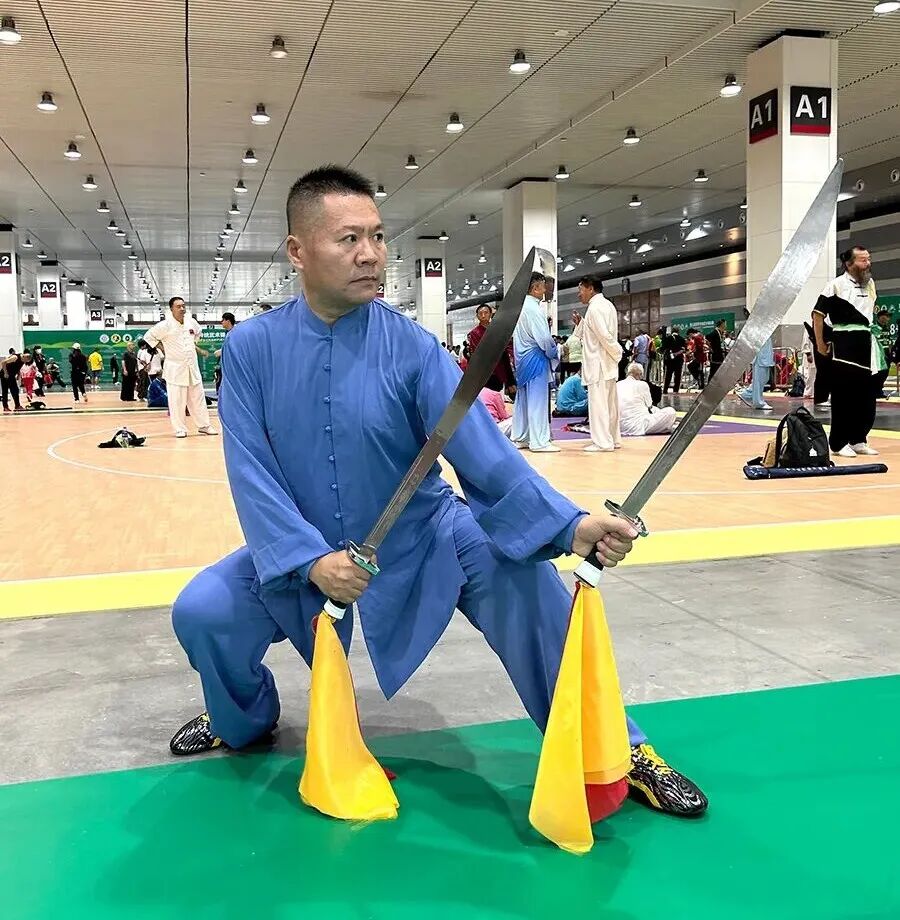
Many enthusiasts drive more than 200 kilometres to attend his classes. Learners span all ages and professions, united by their passion for Chinese martial arts. This vividly demonstrates the powerful cultural appeal and international communication value of Liaocheng’s Plum-Blossom Stake Boxing.
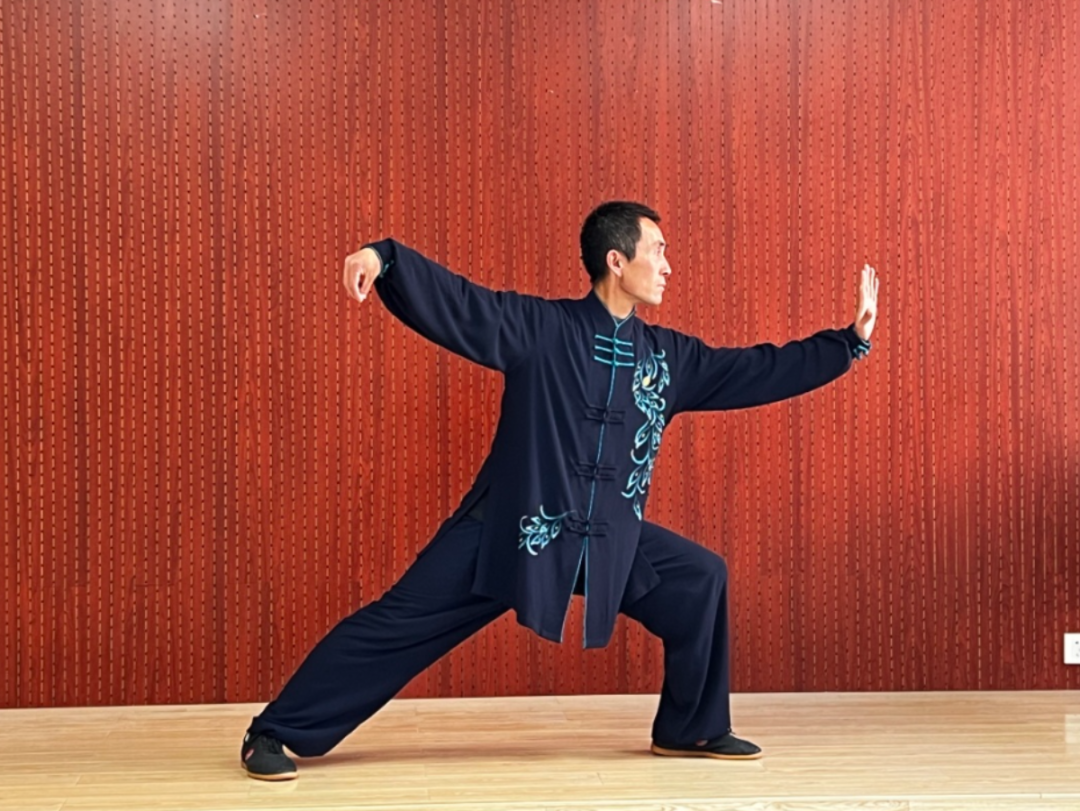
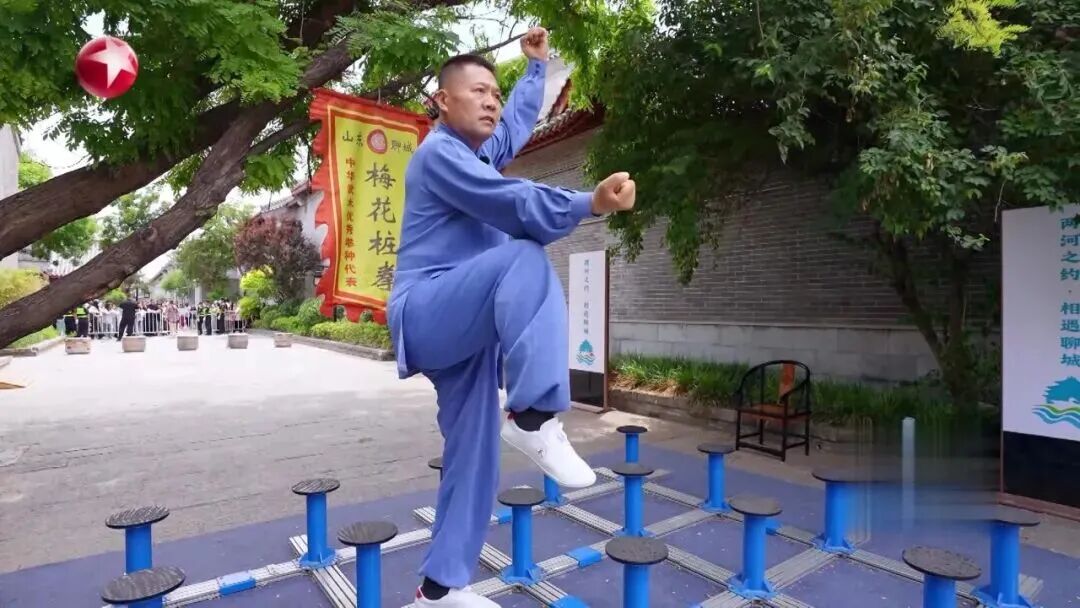
From its ancient origins and spread along the Grand Canal to modern-day popularisation and global outreach, Liaocheng’s Plum-Blossom Stake Boxing has thrived across centuries. More than a system of martial techniques, it has become a symbol of Liaocheng’s cultural heritage and spirit.
Thanks to the persistent efforts of generations of inheritors, the martial charm of the Water City travels beyond Shandong to the world. This ancient intangible heritage has taken on new life in the modern era, continuously writing new chapters for cross-cultural exchanges and mutual learning among civilisations.
Bridges to the Past: Discovering Liaocheng’s Timeless Heritage
— Exploring Liaocheng’s Museums —
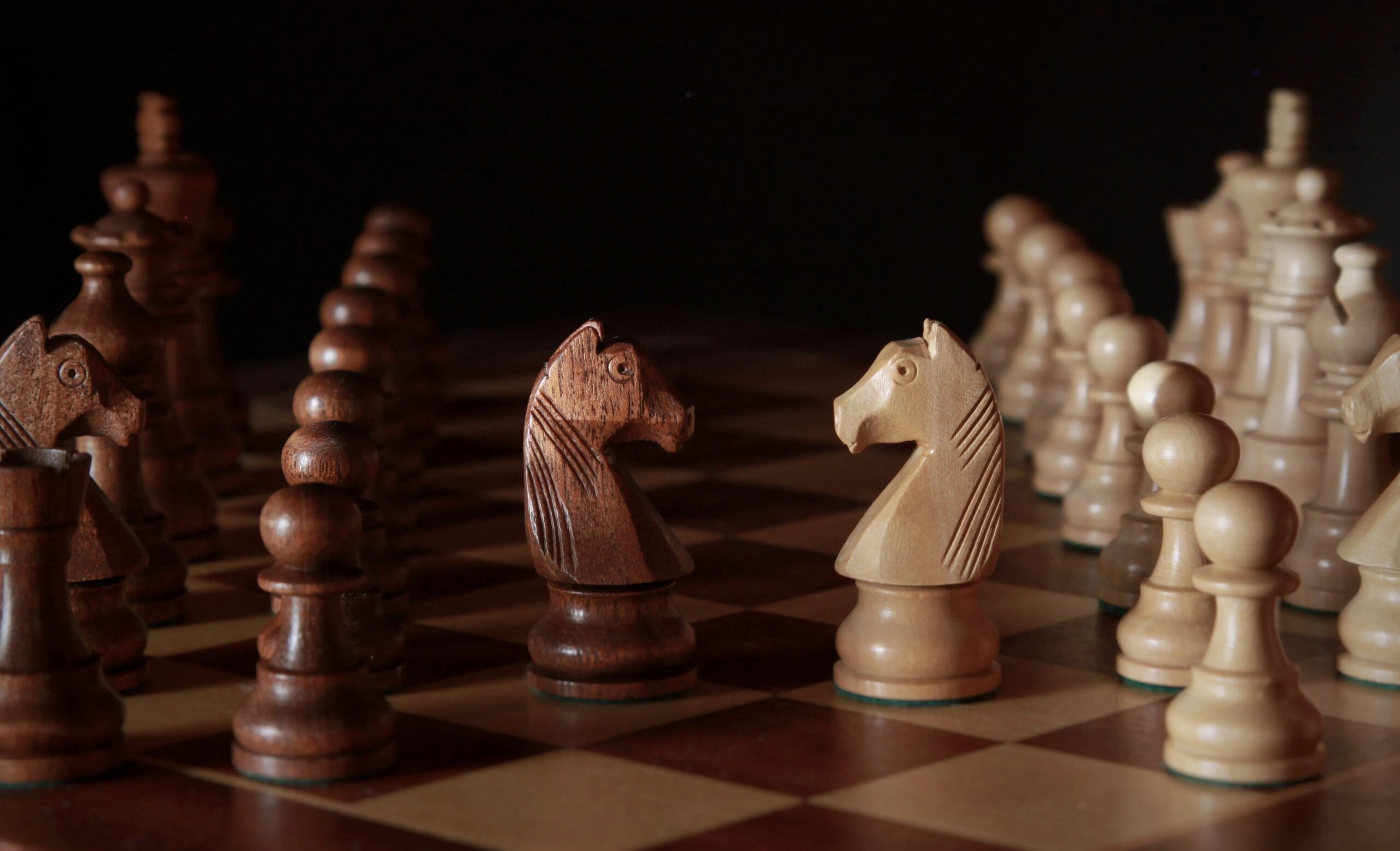
As the 2026 World University Championship Mind Sports draws near, the Liaocheng Museum of Intellectual Sports has been conceived to carry forward the cultural heritage of intellectual sports. Its collection brings together chess manuals, chess sets, books on chess, card-playing equipment, and a range of historical materials, including old photographs, certificates, trophies and manuscripts related to intellectual sports. Each artifact offers a glimpse into the history and evolution of mind-sports culture. As one of China’s rare thematic museums dedicated to intellectual sports, it fills a niche in China’s museum landscape. Will it open as a permanent venue or travel across Liaocheng as a mobile exhibition? Let us wait and see.
Today, following the threads of culture, let us step into Liaocheng and explore its museums, each boasting unique cultural value. When the passage of time is preserved in relics and history comes alive through stories, museums become bridges between the past and the present. Every museum in Liaocheng holds its distinct cultural code. Many of these venues are rare or even pioneering nationwide. Let us wander through these cultural landmarks and understand Liaocheng’s millennial glory through dialogues between relics and time.
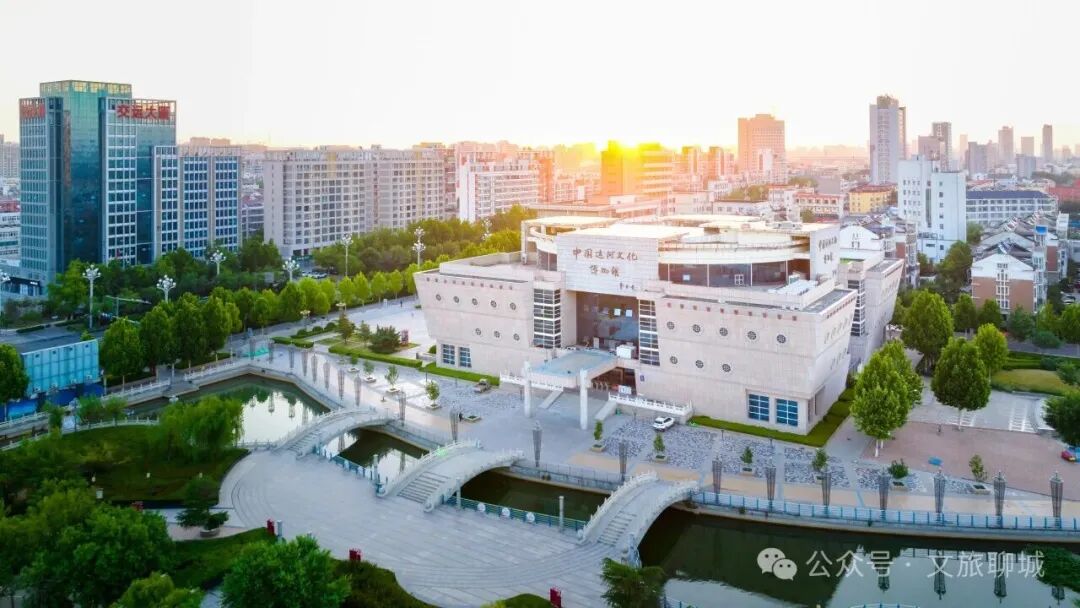
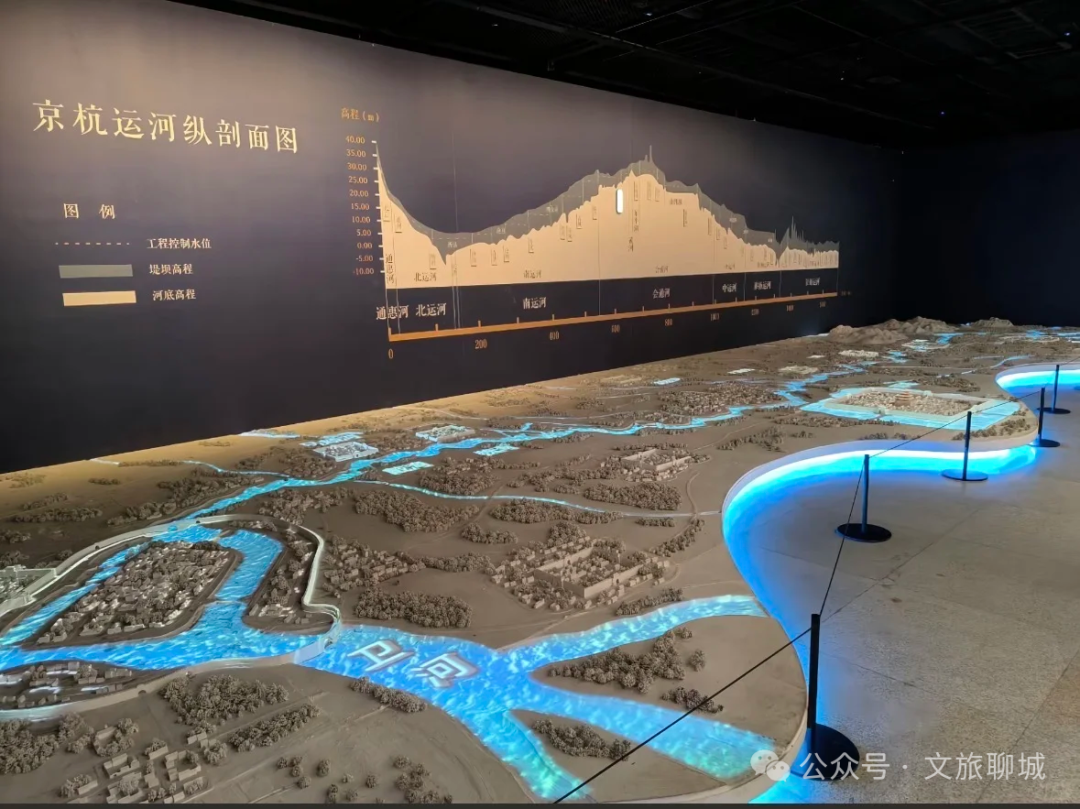
Liaocheng China Grand Canal Culture Museum
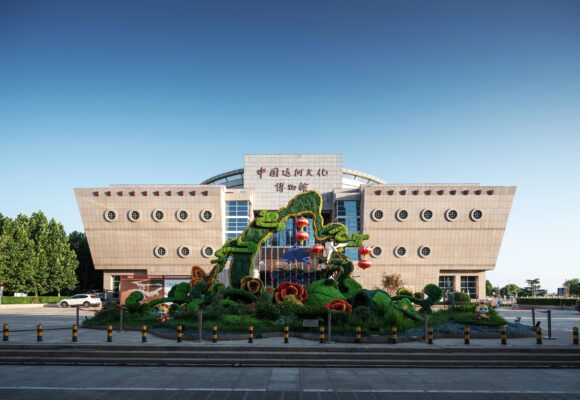
As China’s first large-scale thematic museum themed on the Grand Canal, and Liaocheng’s first national first-class museum, its building resembles a giant ship setting sail. Its exhibitions cover historical changes, water conservancy technologies and canal customs, fully presenting the prosperity of water transport. Highlight relics such as Yuan-Dynasty canal-transport ships, Tang-Dynasty Buddha statues and Dawenkou-culture red-pottery pots immerse visitors in the thousand-year-old history of the Grand Canal, unfolding the legend of how Liaocheng thrived on canal transportation. Its core exhibition Splendor of the Grand Canal won the MUSE International Creative Award Platinum Prize, making it a benchmark venue for Grand-Canal research and display across China.
Liaocheng Contract Culture Museum
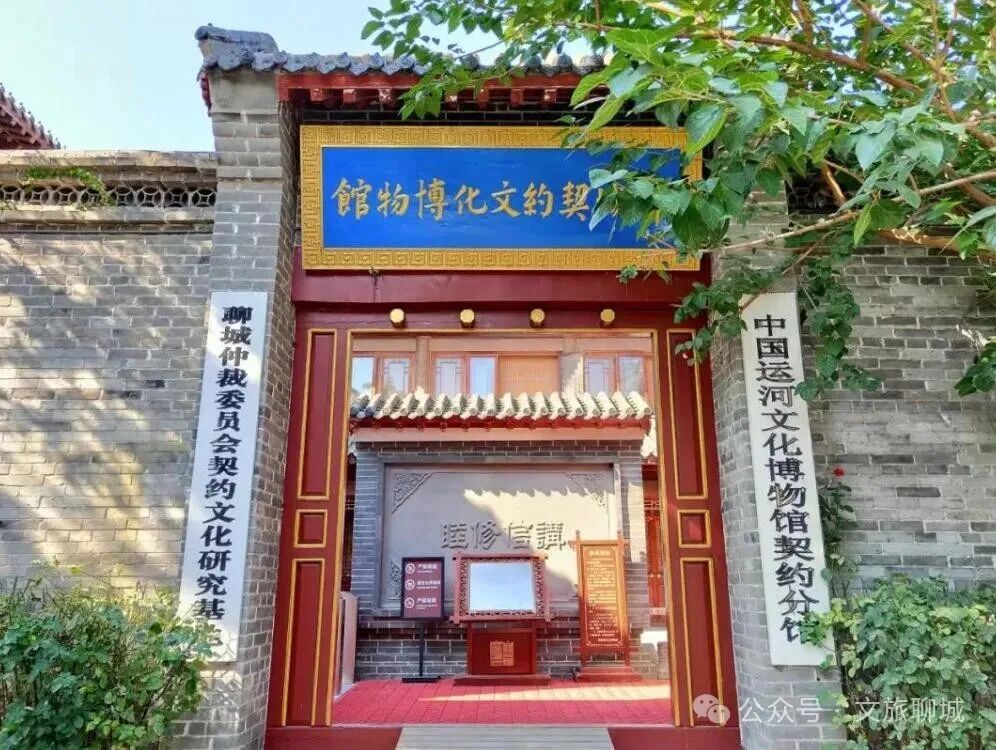
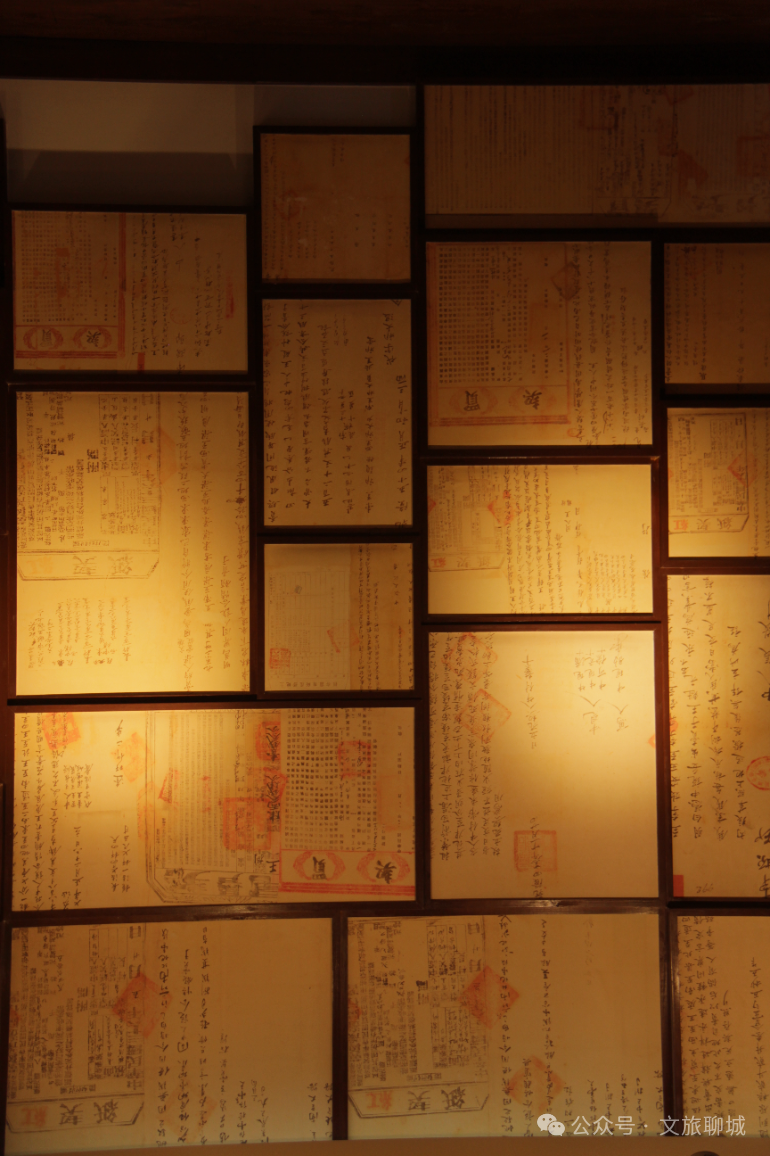
This is China’s first thematic museum for contract culture, a living encyclopedia of Chinese contracts. Exhibits are carefully selected from more than 8,000 folk contracts, including house deeds, land deeds and family-partition documents dating from the Song Dynasty to modern times. It also features a life-size reconstruction of Wu Xun signing a land purchase contract. Yellowed paper preserves human stories of old Liaocheng, while red seals bear witness to the history of contracts. Such thematic museums are extremely rare nationwide. It serves as an invaluable physical archive for interpreting integrity systems in traditional Chinese folk society, and is well worth a visit during your tour of the ancient city.
Liaocheng Wedding Customs Museum
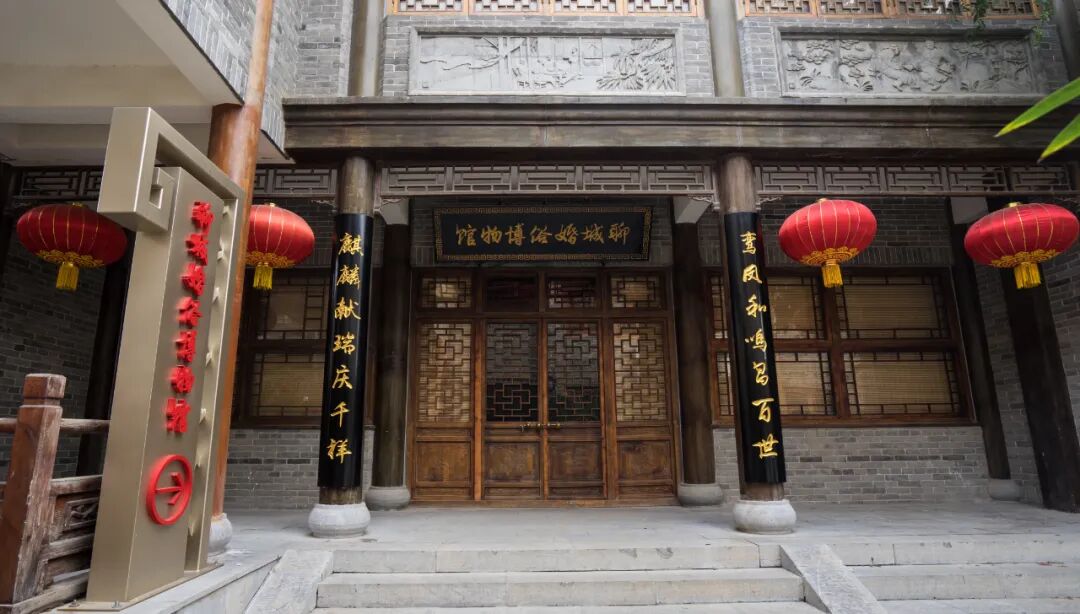
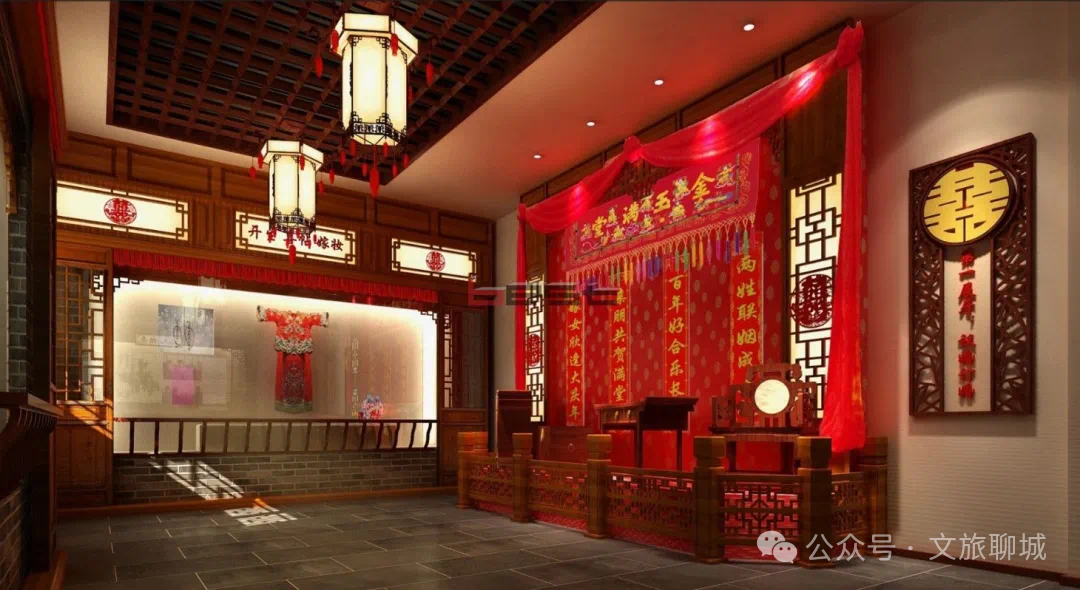
Housed in an elegant two-story traditional courtyard adorned with red silk lanterns for immersive atmosphere, it is one of Shandong’s few state-owned thematic museums focusing on local western-Shandong wedding customs. More than 300 artifacts record wedding traditions from the late Qing-early Republican period to modern times. Scenes of traditional wedding procedures including proposal, courtship, dowry delivery, wedding ceremonies and the post-wedding home-visit ritual are faithfully reproduced, alongside antique marriage certificates, embroidered wedding robes and gilded ornaments. Unlike most generalized national-scale wedding-custom museums, it fully preserves the unique wedding rituals of northern canal-influenced regions, offering an immersive experience of western-Shandong wedding culture.
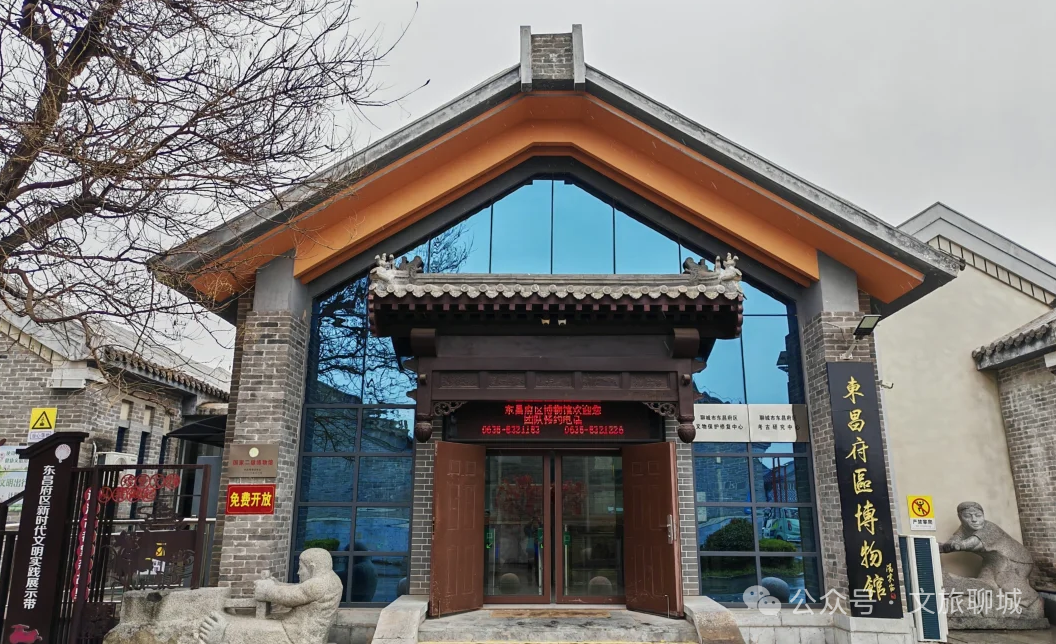
Dongchangfu District Museum
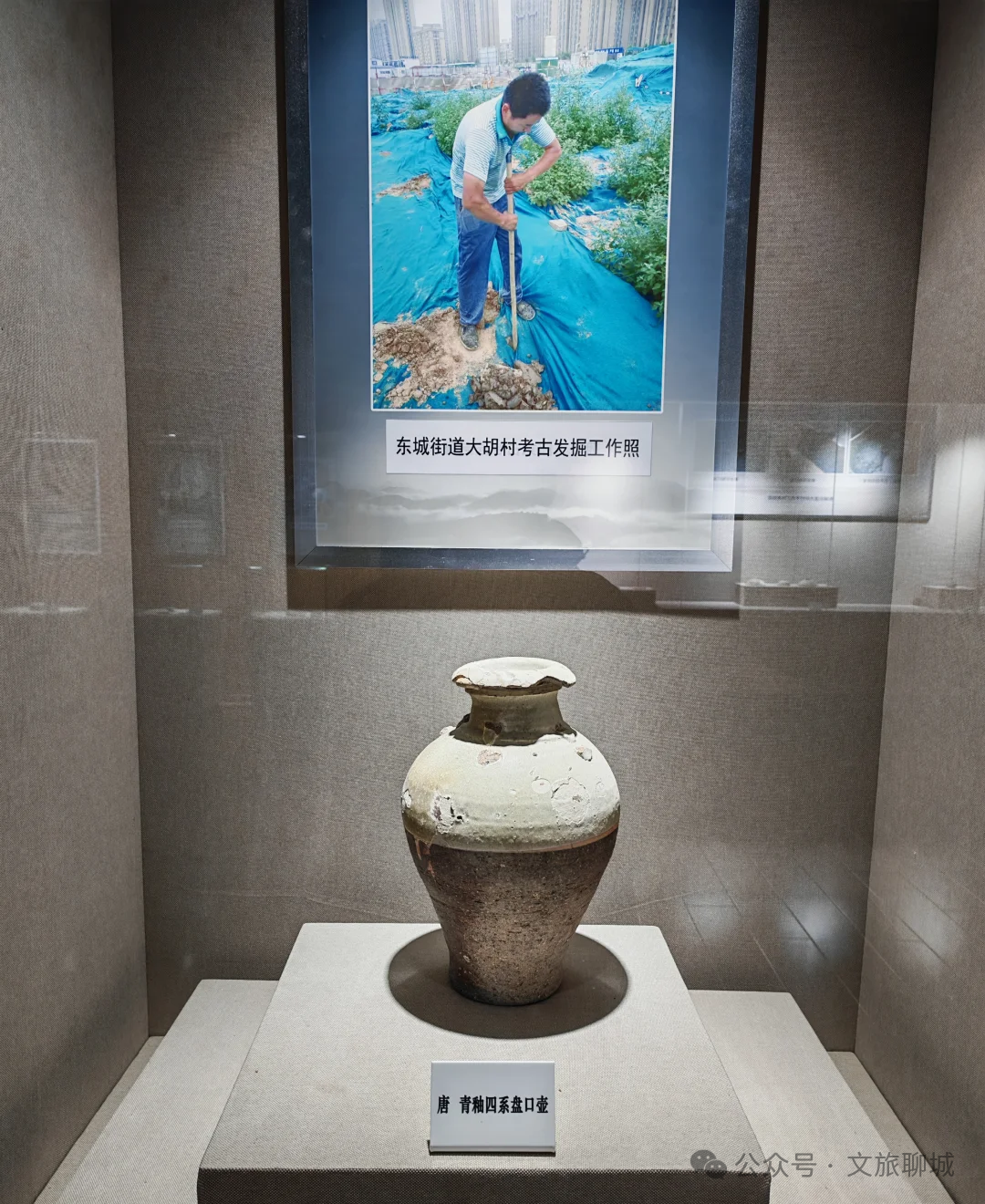
A popular museum that has become a hit on social media located on Fuya Street in the ancient city, it is repurposed from a granary built in the 1950s. Its adaptive reuse of old industrial buildings represents a nationally-notable renovation model, with its outer walls carrying strong retro charm. Three exhibition halls trace the millennial history of Dongchangfu. Unearthed weapons and architectural fragments evoke ancient wars; Tang-Dynasty tri-colour pottery and sea-beast grape-pattern bronze mirrors reflect the prosperity of the Tang Dynasty; precious relics such as a Ming-Dynasty Ding-kiln white-glazed cup stand bring visitors close to ancient daily life. Centred on archaeological finds unearthed locally in Dongchangfu, this little-known gem tells the history of the prefecture.
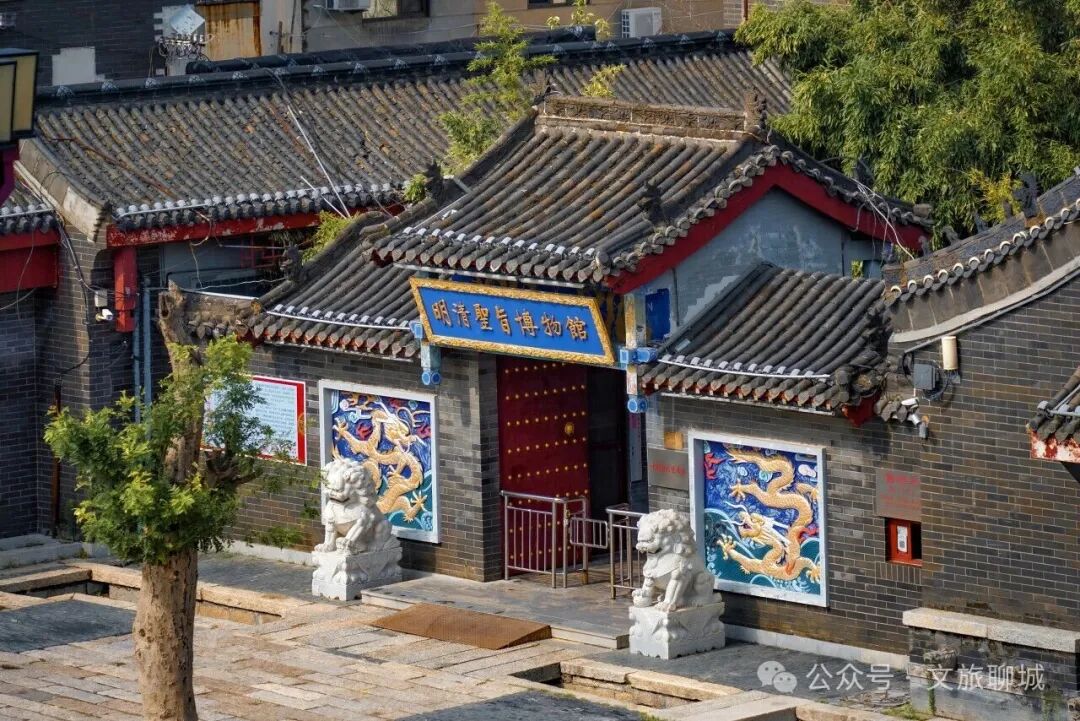
Ming-Qing Imperial Edict Museum
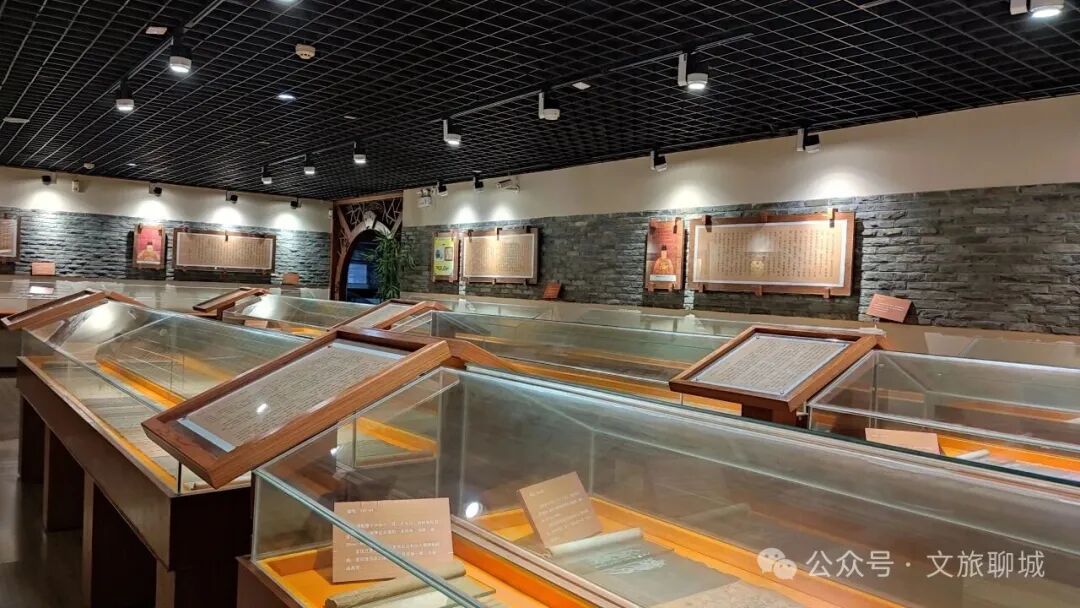
One of China’s few thematic museums dedicated to imperial edicts from the Ming and Qing dynasties. Its collections include numerous imperial edicts, official documents and ancient plaques. An imperial edict issued under Emperor Zhu Yuanzhang is its crown jewel. In terms of collection scale and artifact quality, its holdings rank among the top of private imperial-edict museums nationwide. Visitors can gain vivid insights into imperial authority and historical details in an informative and engaging setting. (Note: The museum has relocated to No. Jiuzhou Kangcheng, Auxiliary Zhonghua Road, Dongcheng Sub-district, Dongchangfu District, Liaocheng City, Shandong Province.)
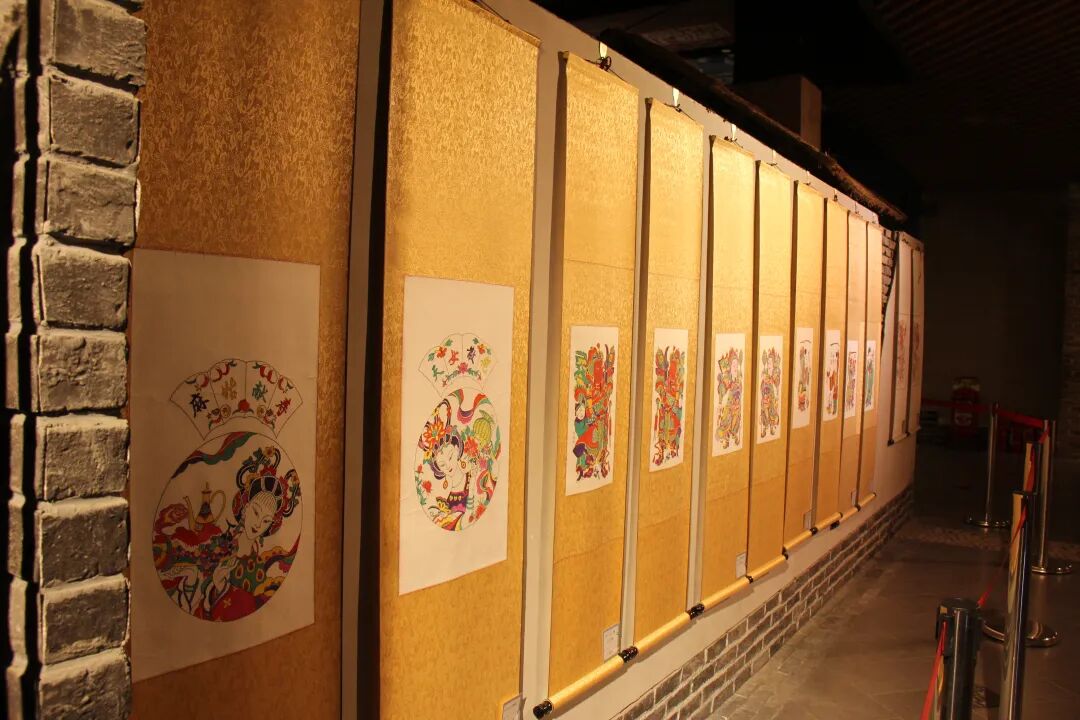
Liaocheng Rural Memory Museum
Rather than focusing broadly on farming culture, the museum focuses specifically on rural heritage of the western-Shandong plain along the Grand Canal. Real-life scenes recreate old-time rural life, with a rich array of farm tools, household utensils, vintage home appliances and childhood toys, most collected locally from surrounding villages. From farm-working implements to daily-use domestic articles, each object evokes memories of bygone generations and vividly depicts folk customs and lifestyles in old western-Shandong countryside. It is a place to revisit fond memories and learn about local rural culture.
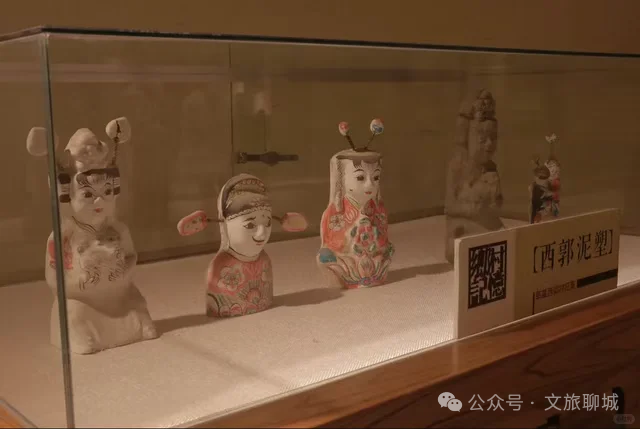
Liaocheng Old-Photo Museum
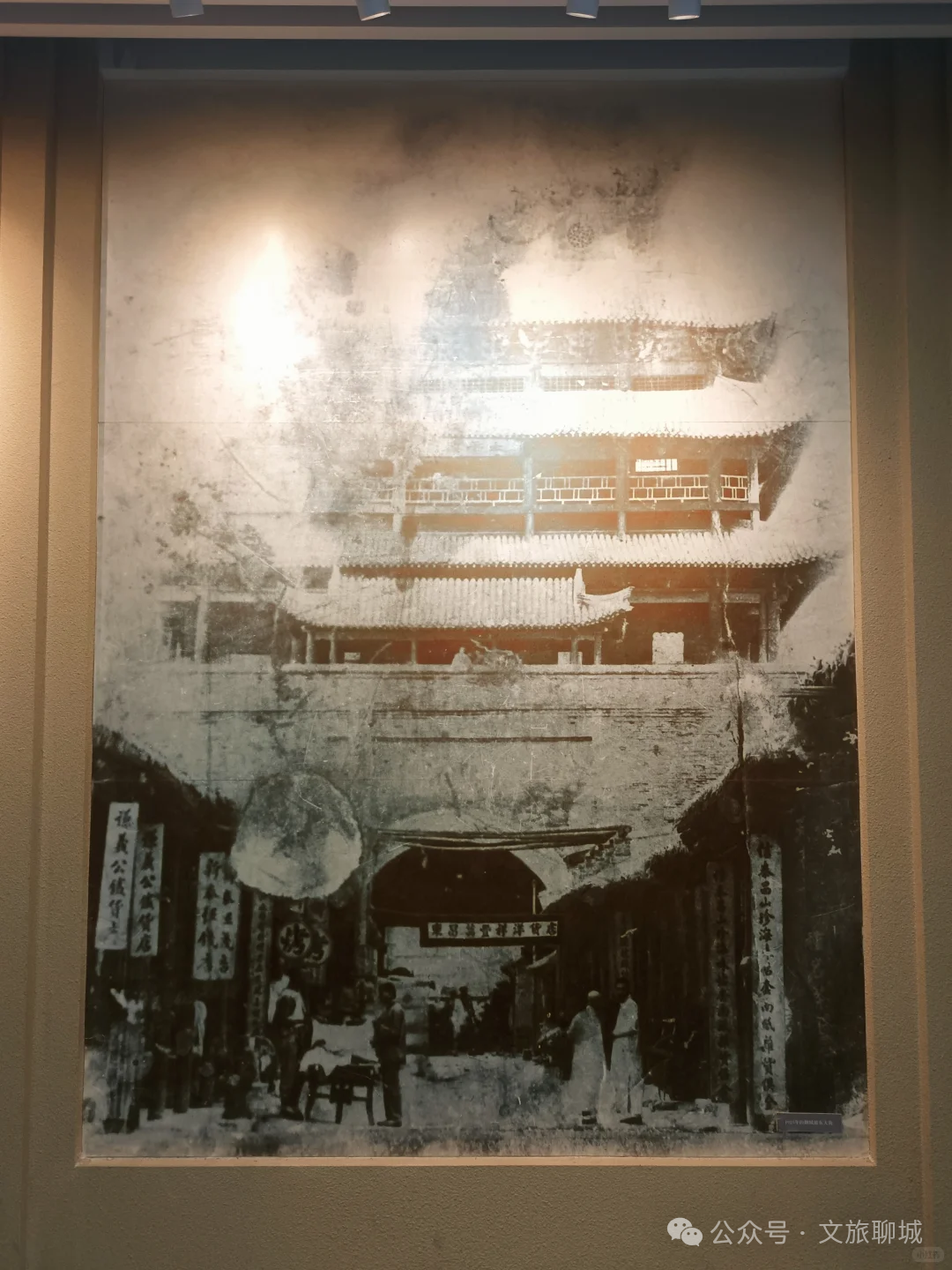
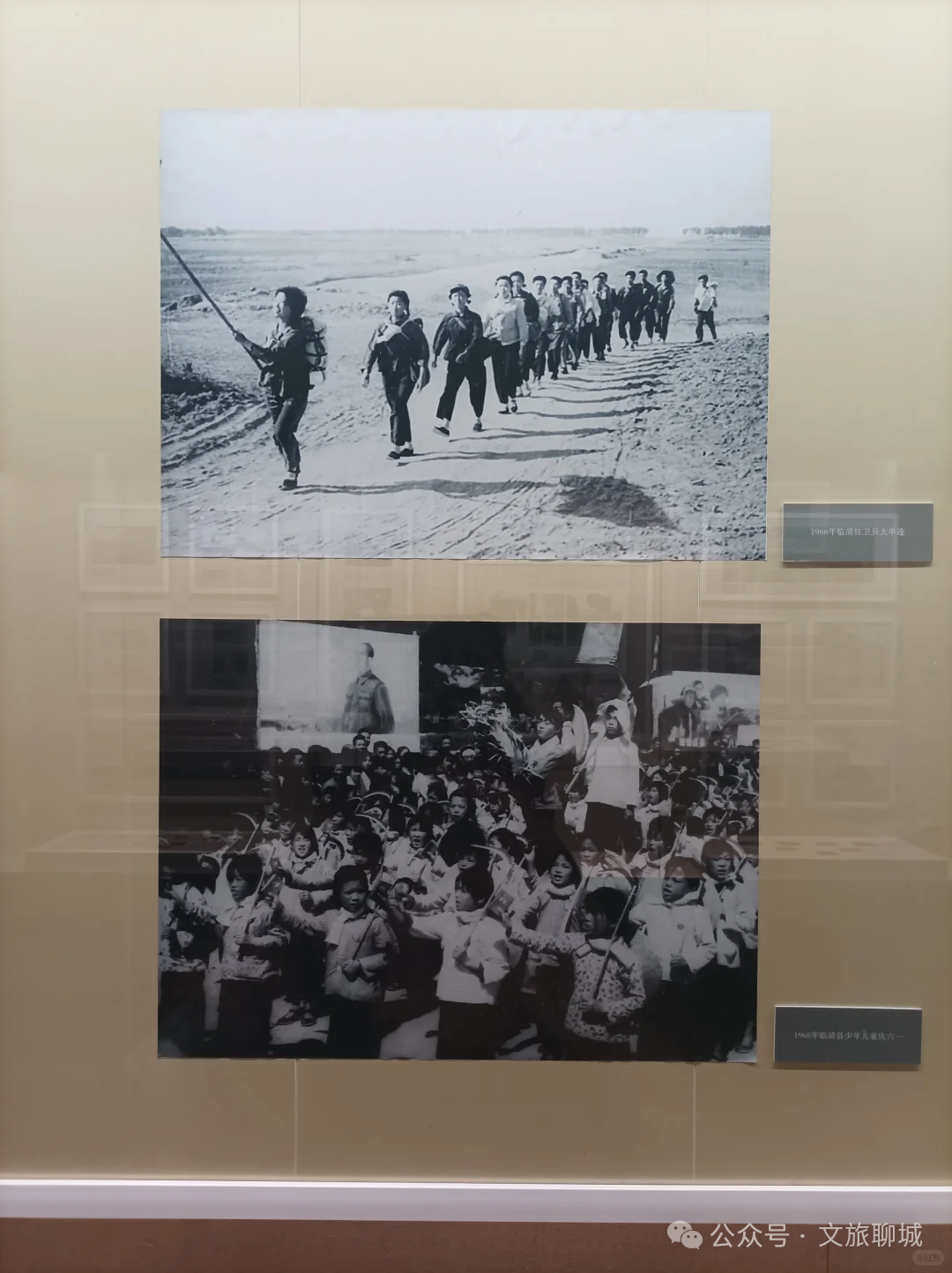
A rare urban-image themed museum within the ancient city, serving as a visual archive of the city’s past. It houses massive collections of precious old photographs spanning decades, preserving visual records of this northern canal ancient city. Featuring old streetscapes, historic buildings and ordinary people’s lives, these black-and-white images recount the past of the ancient city. Every photograph holds precious memories. It evokes a strong sense of nostalgia and is a must-see spot when touring the ancient city.
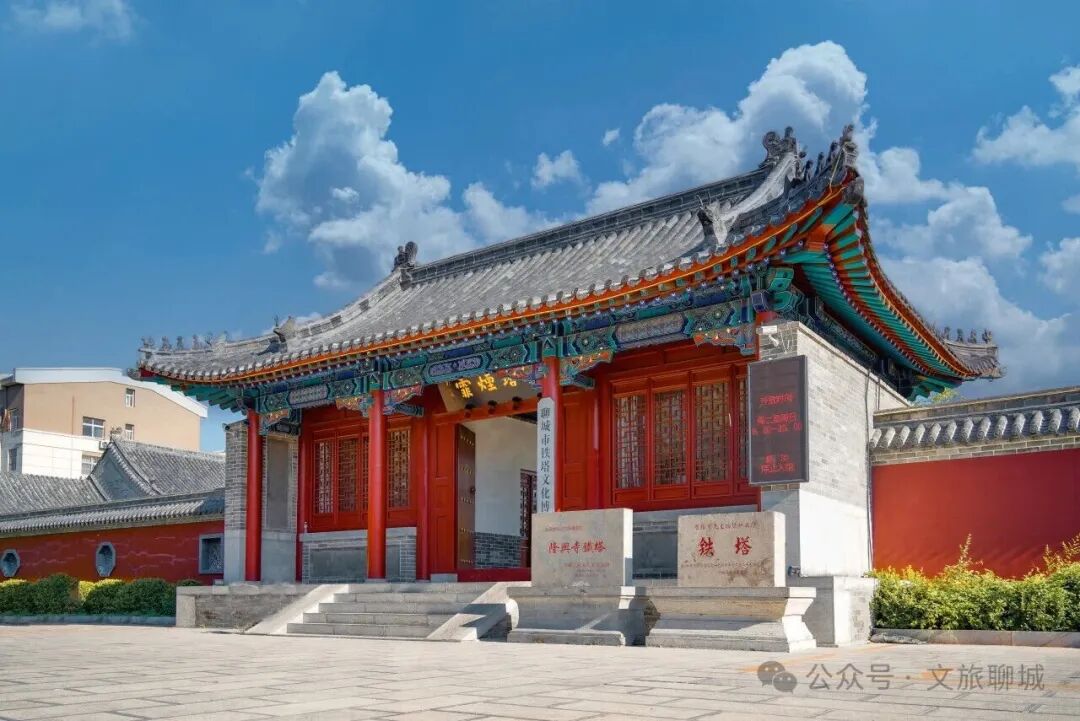
Liaocheng Iron-Pagoda Culture Museum
A free-admission thematic museum dedicated to the Song-Dynasty Iron Pagoda. Its compound is home to the Longxing-Temple Iron Pagoda, one of China’s three great ancient iron pagodas. Its twelve-sided, eight-cornered iron body stands as physical testimony to Song-Dynasty iron-casting craftsmanship and is a Major Historical and Cultural Site Protected at the National Level. Few other venues in China pair such a national-treasure pagoda with a dedicated supporting exhibition hall. Though compact, the exhibition hall is information-rich. The iron pagoda set against red walls creates stunning retro scenery ideal for photography.
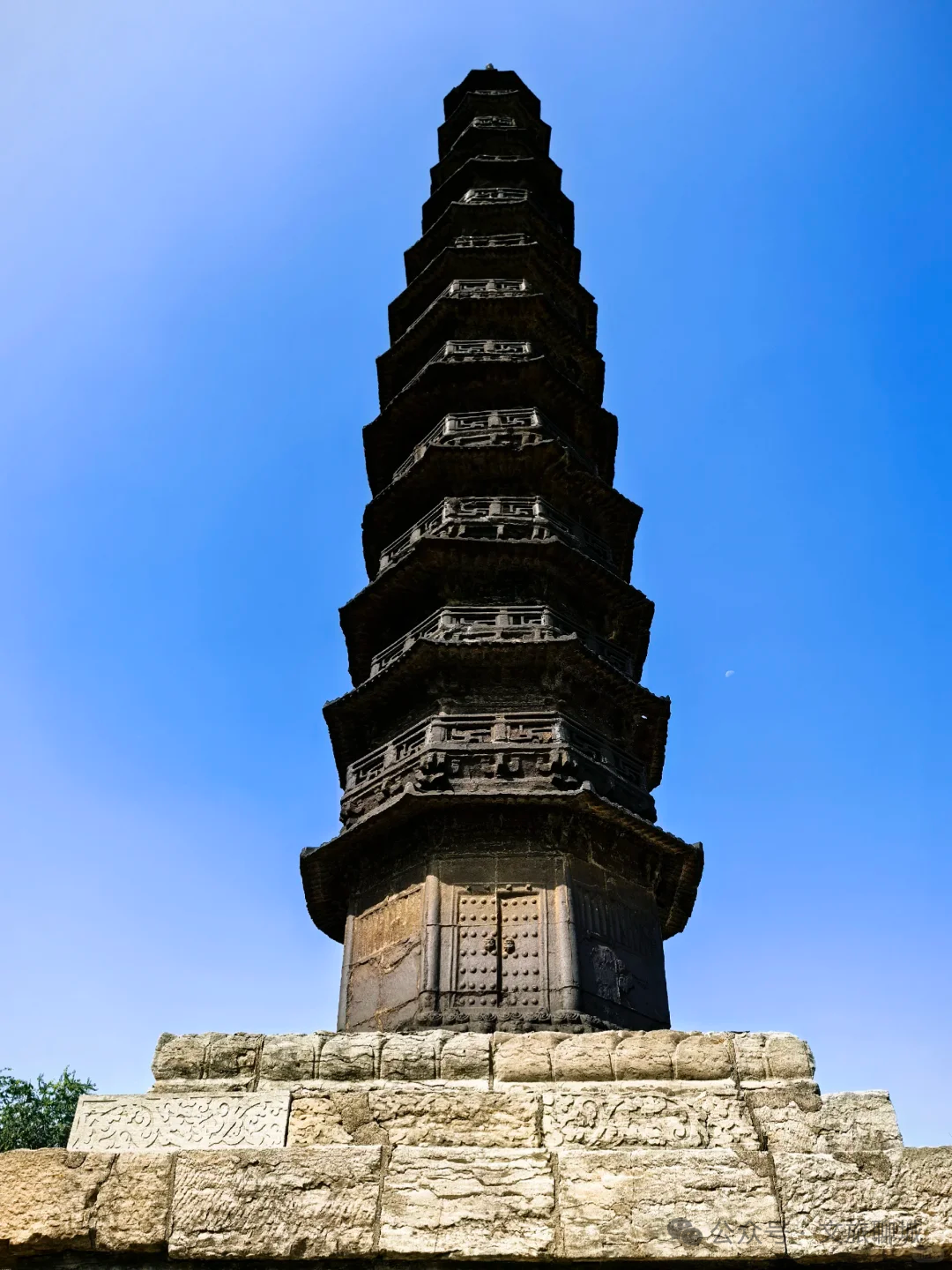
Each museum in Liaocheng shines with its own character. From the grandeur of canal transport to the enduring spirit embodied in a single contract; from the warmth and vitality of wedding customs to the thousand-year legacy of the Iron Pagoda, these museums come together to paint a complete picture of Liaocheng’s history.
We look forward to welcoming you in Liaocheng this October!