
Liaocheng — China’s Ancient Water City
Liaocheng — China’s Ancient Water City
*During the 2026 FISU World University Championship Mind Sports, participants and visitors can explore three designated cultural check-in points within the ancient city. Can you guess which three they are?*
The ancient water city, encircled by the lake on all sides, is a cultural haven nurtured by the Grand Canal. Within the city walls, six museums and exhibition halls cover a wide range of subjects, including official systems, folk customs, revolutionary history, rare book collections, and the philosophy of the School of Mind. Together, they preserve the city’s thousand‑year legacy of governance, everyday life, heroic spirit, and scholarly heritage. A visit to each will reveal the complete historical narrative of Dongchang.
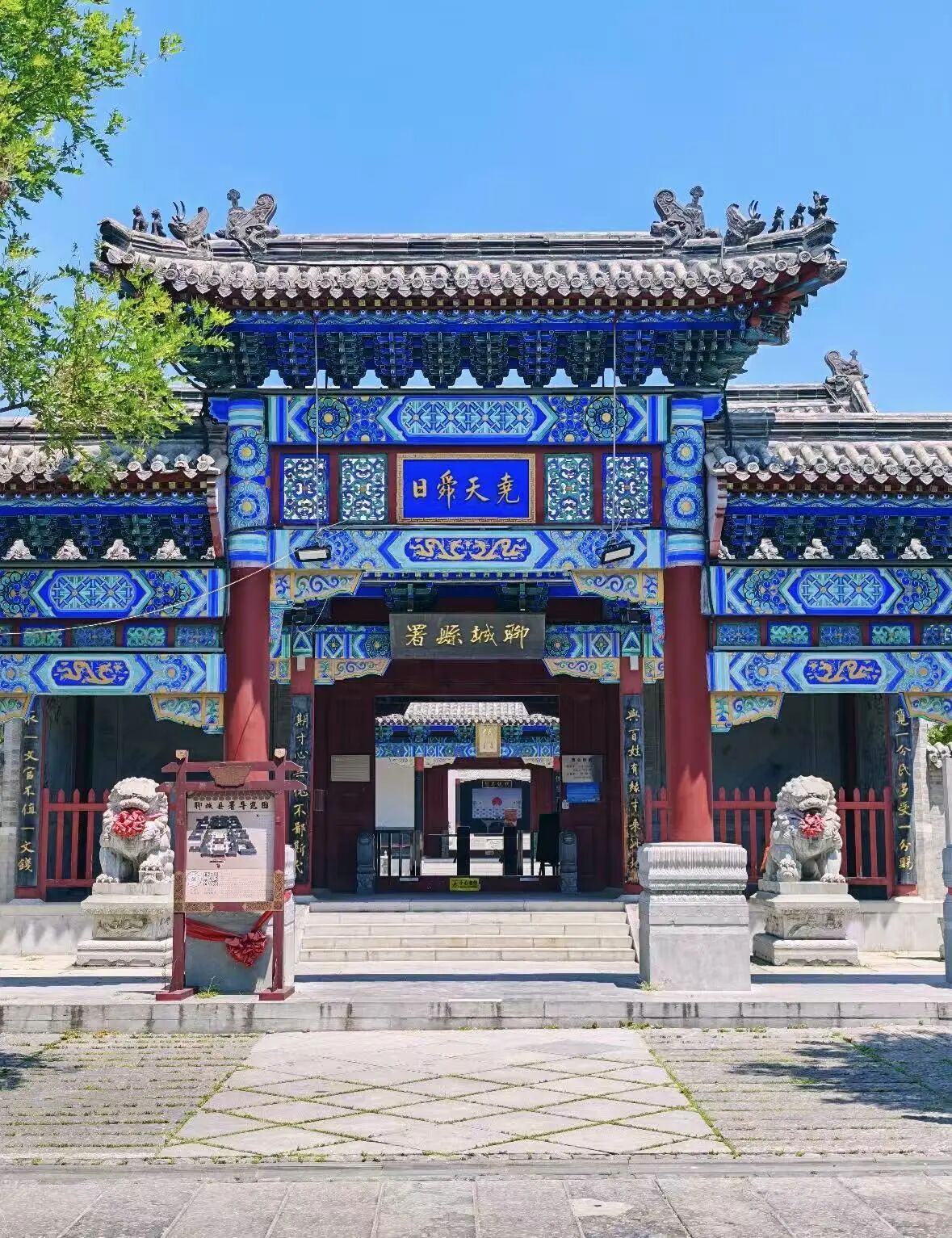
Liaocheng County Government Office
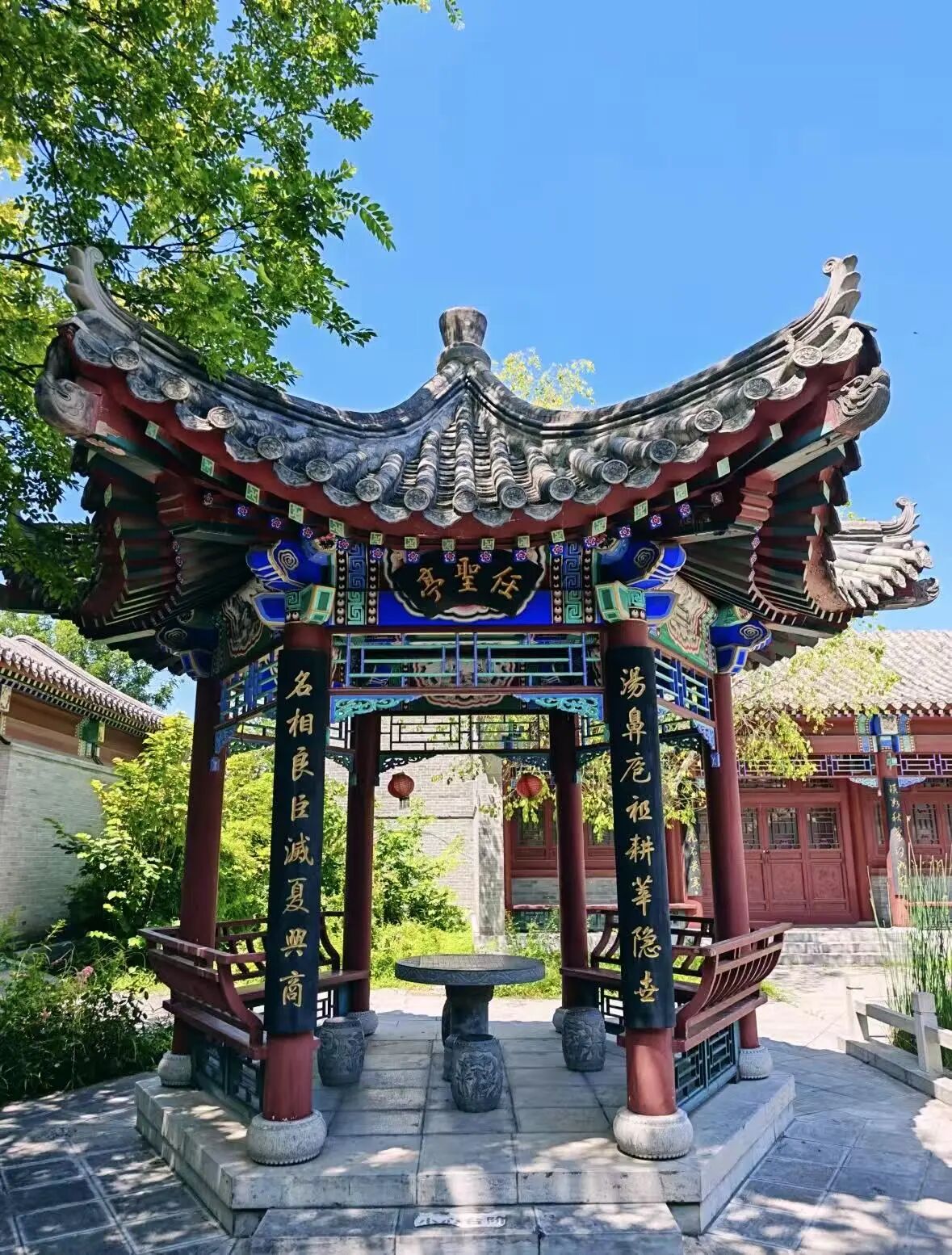
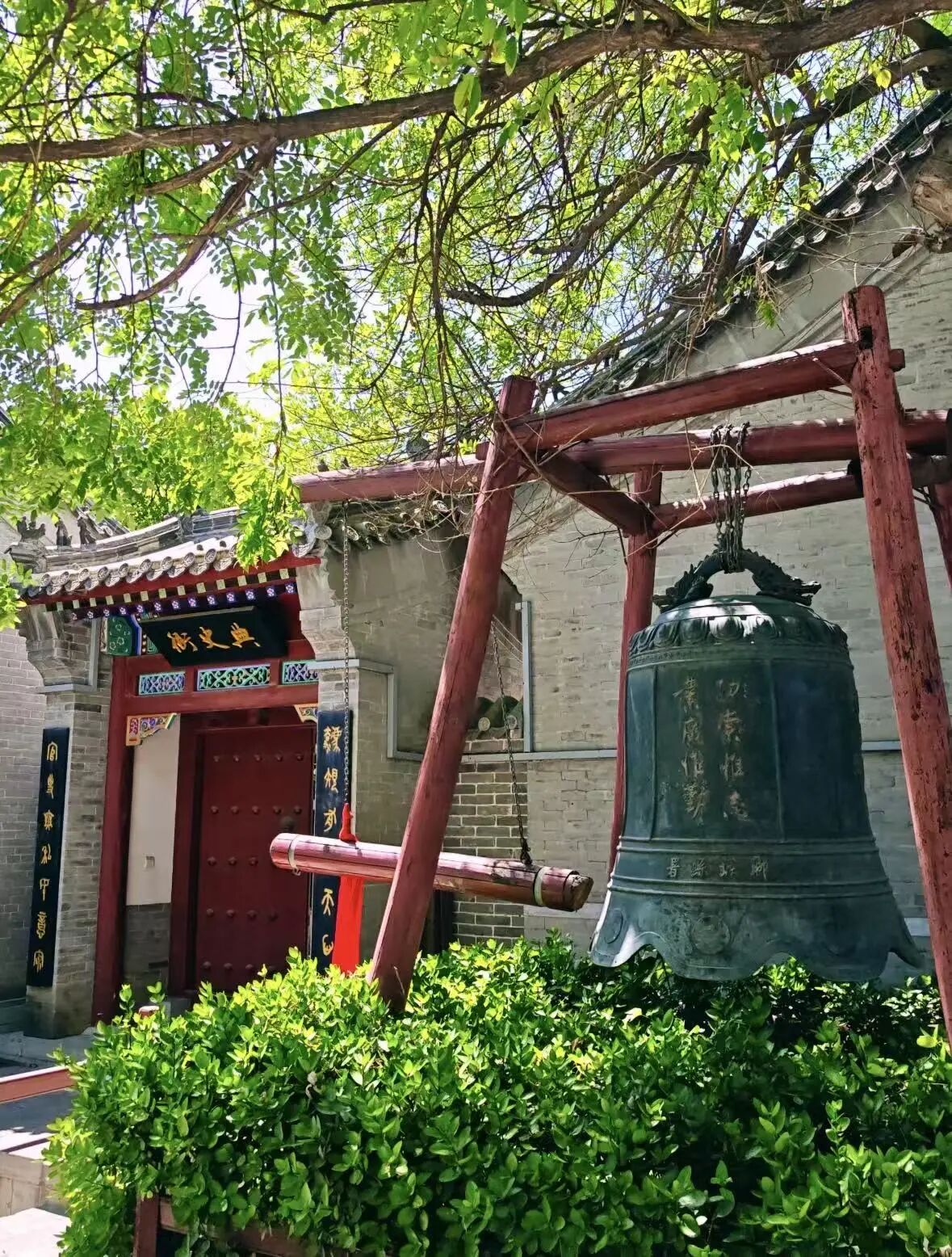
Located west of Guangyue Tower, the Dongchang County Government Office was rebuilt on the original site of the Ming‑dynasty county yamen, following the traditional layout of “official courts in front, private quarters behind.” The compound comprises multiple halls, with the Six Offices flanking the main axis. The central hall, Zhongshe Hall, recreates the scene of court hearings, complemented by prison cells, residential quarters, and gardens — a complete administrative complex. In ancient times, this was the political and judicial centre of Liaocheng, where hundreds of county magistrates administered justice. Exhibits include relief carvings, ceremonial objects, and instruments of punishment, offering a vivid glimpse into the official procedures and governance systems of imperial China. It is an immersive venue for understanding Ming and Qing official culture.
📍 Address: Liaocheng County Government Office
Liaocheng Wedding Customs Museum
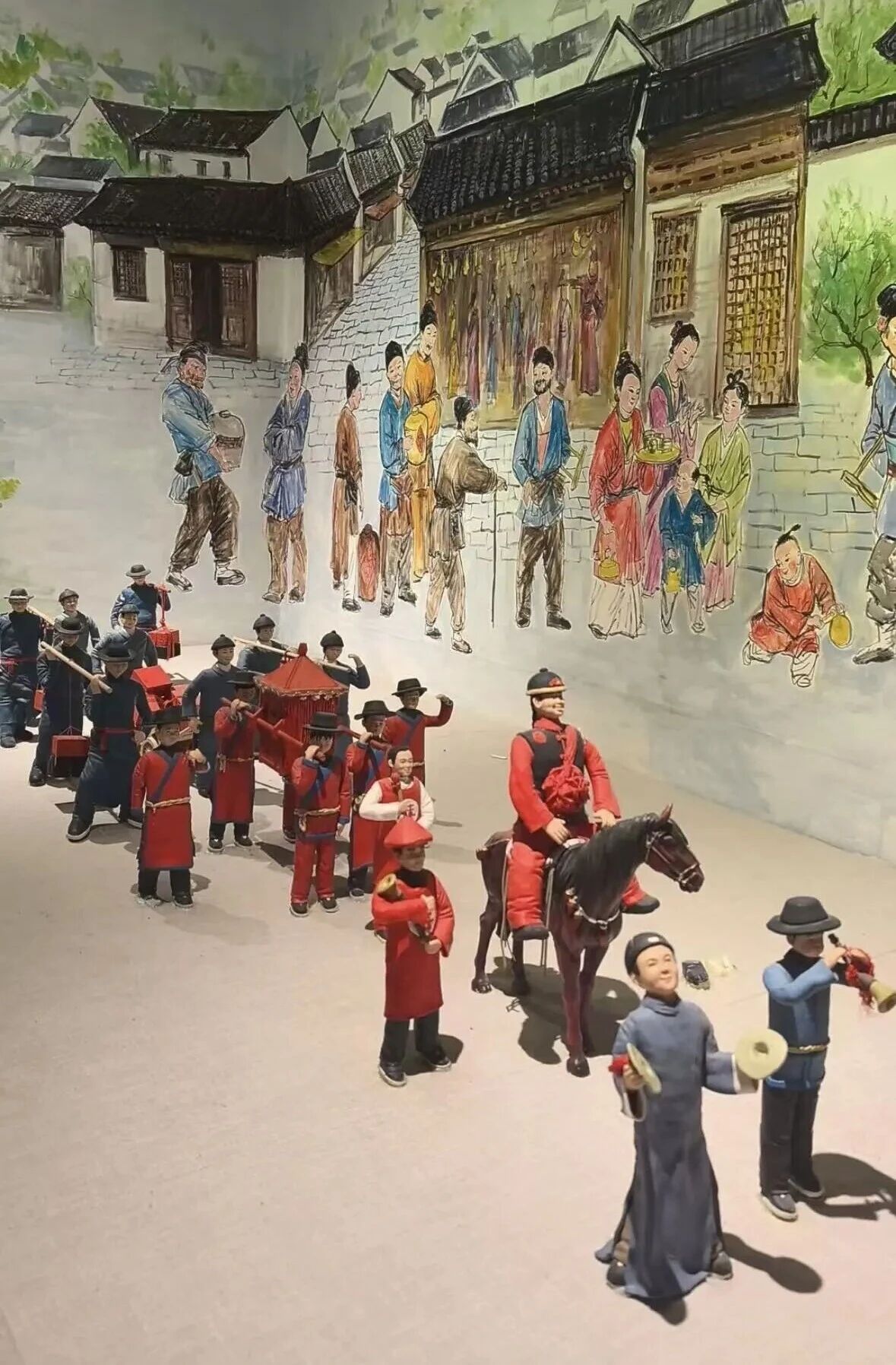
Located on North Tower Street in the ancient city, the Wedding Customs Museum is open to the public free of charge, housing hundreds of traditional wedding artefacts from western Shandong. The museum is organised around the “Three Letters and Six Etiquettes”, a traditional Chinese marriage ritual. Exhibits include betrothal gifts, phoenix coronets, carved wedding beds, and full‑scale recreations of bridal sedan‑chair processions and nuptial chamber ceremonies. Accompanied by folk clay figurines and vintage photographs, the museum presents the complete set of local wedding rituals. The vibrant red interiors and warm folk atmosphere offer a clear narrative of the evolution of traditional marriage customs — an excellent place to explore Liaocheng’s folk culture.
📍 Address: Liaocheng Wedding Customs Museum
Fan Zhuxian Memorial Hall
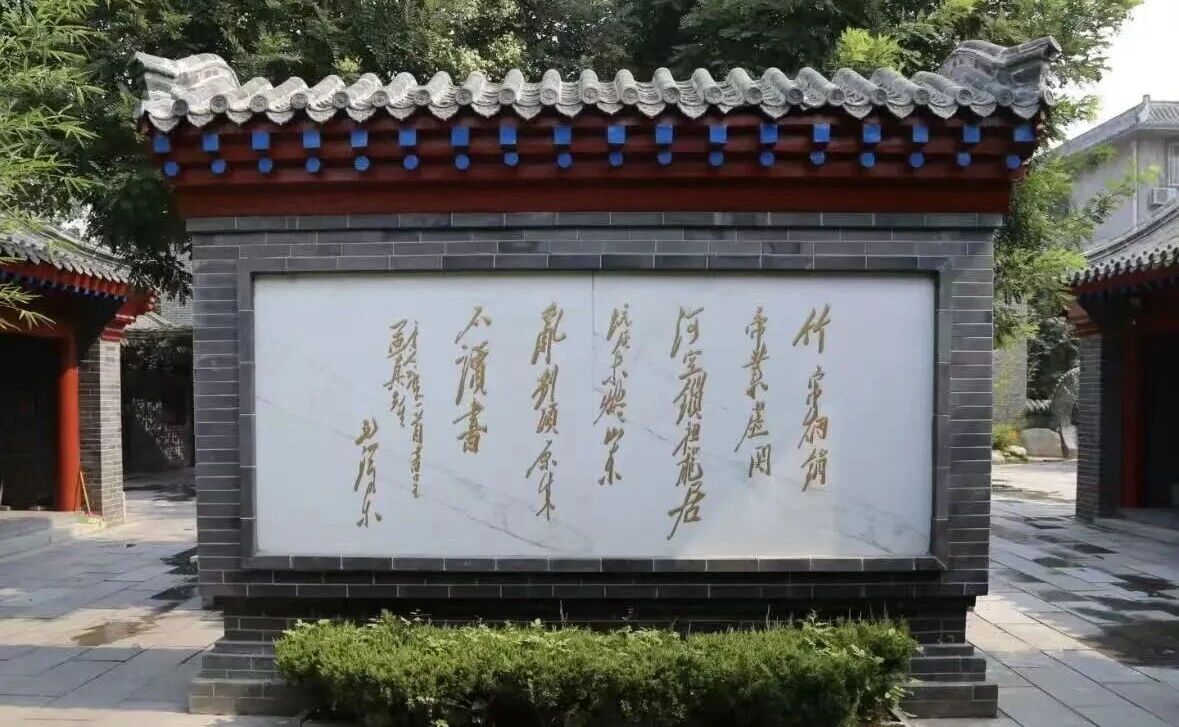
Located north of Guangyue Tower, the Fan Zhuxian Memorial Hall is a provincial‑level red‑culture education base. In the courtyard stands a monument inscribed with a tribute by Chairman Mao. The exhibition halls trace General Fan Zhuxian’s life chronologically, displaying his personal belongings, family letters, wartime footage, and commemorative inscriptions. During the War of Resistance, General Fan defended Liaocheng, organised multiple anti‑Japanese armed forces, and devoted his entire family to the national cause, ultimately sacrificing his life. The hall is solemn and dignified, and regularly hosts educational activities. Each artefact tells the story of the brave resistance of the military and civilians in northwestern Shandong, conveying an unyielding patriotic spirit.
📍 Address: Dongchang Lake, Fan Zhuxian Martyrs Memorial Hall
Fu Sinian Exhibition Hall
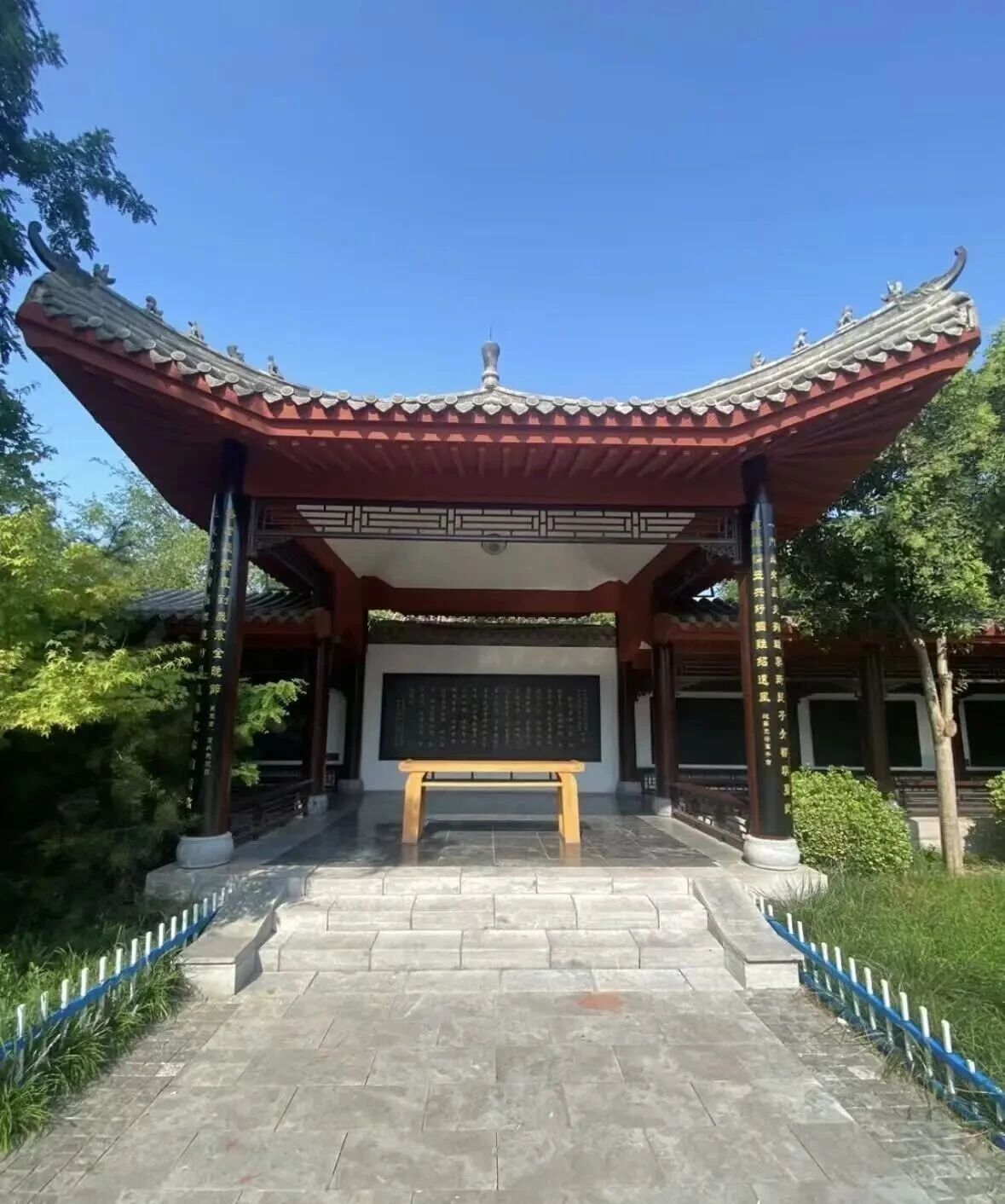
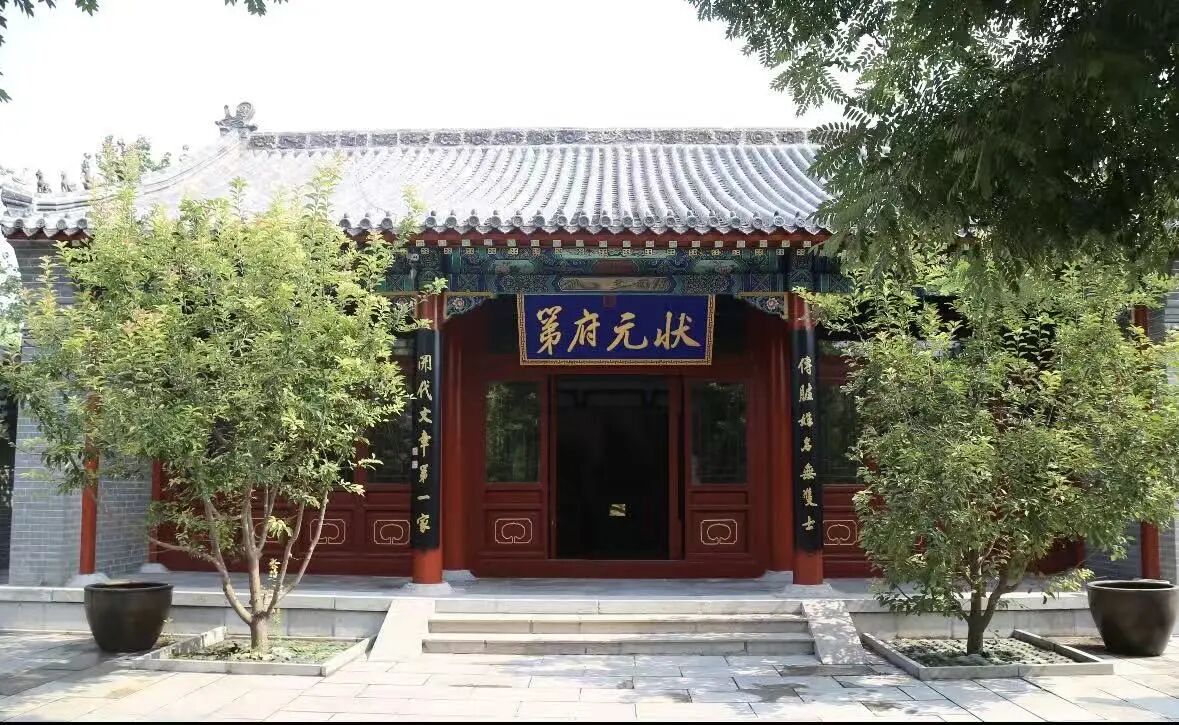
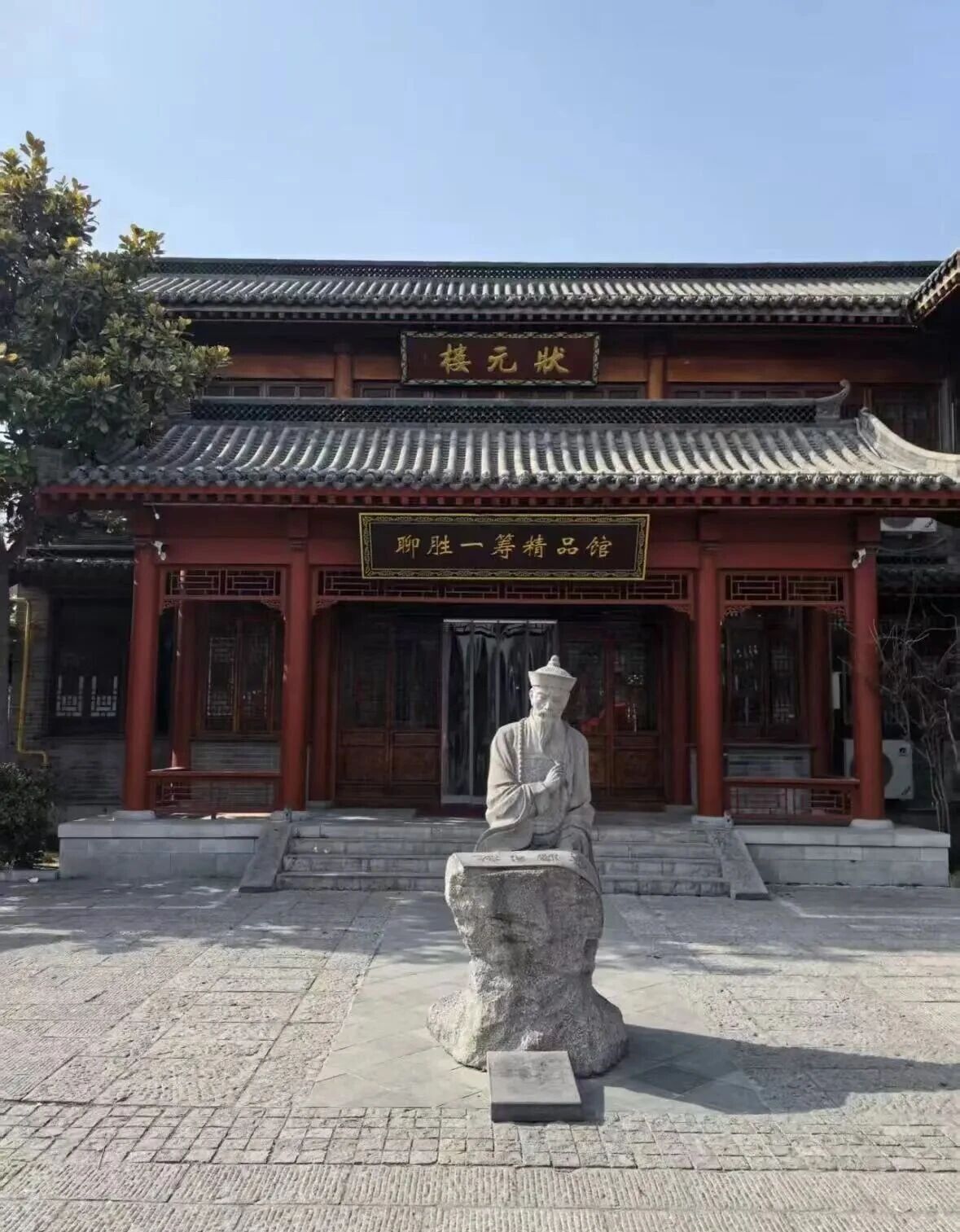
Built within the former Fu family ancestral hall from the Qing dynasty, this exhibition hall is the ancestral home of the champion scholar Fu Yijian and the birthplace of the renowned historian Fu Sinian. The courtyard features a bronze statue of Fu Sinian. The exhibition halls detail his academic journey, displaying his manuscripts, published works, and photographs from his studies abroad. The exhibits chronicle his achievements in establishing the Institute of History and Philology, leading the archaeological excavations at Yinxu, and serving as president of prestigious universities. Nearby, the “Ren Yi Lane” commemorates the Fu family’s tradition of humility and goodwill, while the stele corridor preserves its scholarly legacy, reflecting Liaocheng’s long-standing respect for learning and moral virtue.
📍 Address: Fu Sinian Exhibition Hall
Haiyuan Ge (Haiyuan Pavilion)
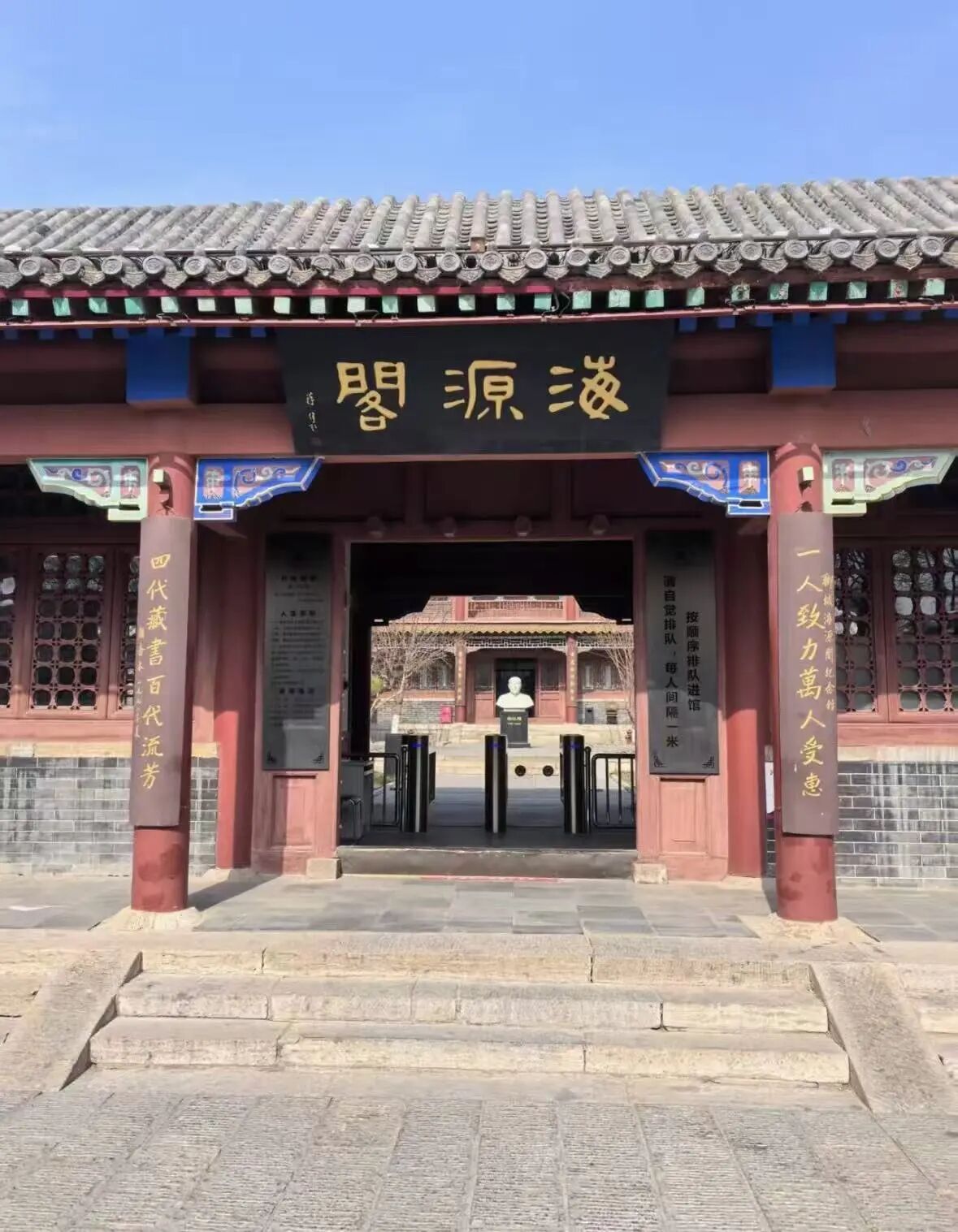
Built in the Qing dynasty by Yang Yizeng, Haiyuan Ge ranks among the four great private libraries of the Qing era, known as “Qu in the south, Yang in the north.” The pavilion comprises book storage areas and an ancestral hall. Over four generations, the Yang family devoted a century to collecting ancient texts, amassing a collection of 220,000 volumes at its peak, including rare Song and Yuan dynasty editions. Today, the compound has been fully restored, displaying library seals, ancient book rubbings, and reconstructions of book storage and restoration scenes. The name “Haiyuan” signifies “tracing the source of learning.” The tranquil brick courtyard, filled with the faint scent of ink, bears witness to Liaocheng’s brilliant book‑collecting culture, nurtured by the Grand Canal.
📍 Address: Dongchang Lake, Liaocheng Ancient City — Haiyuan Ge
Qixian Ci (Shrine of the Seven Worthies)
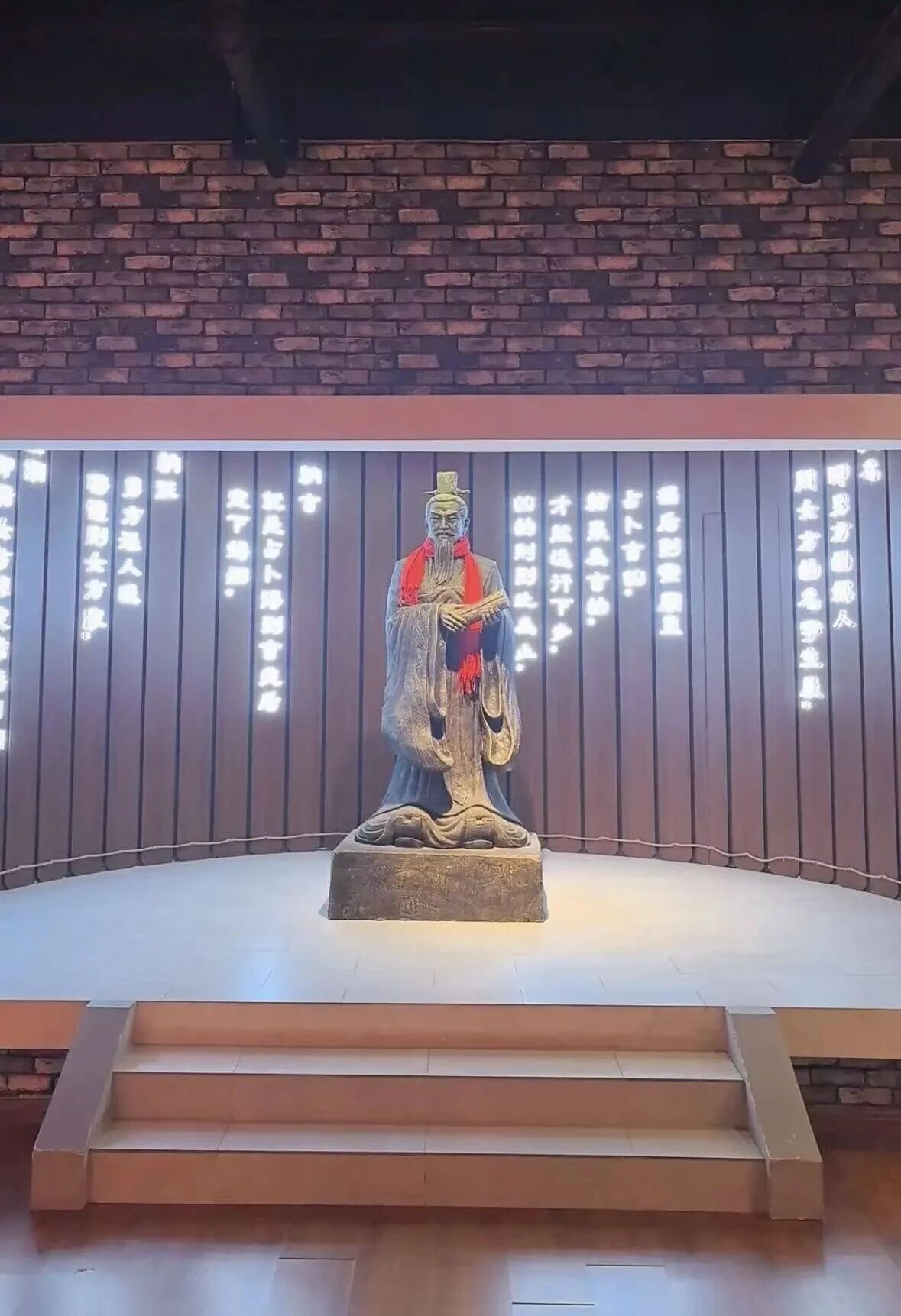
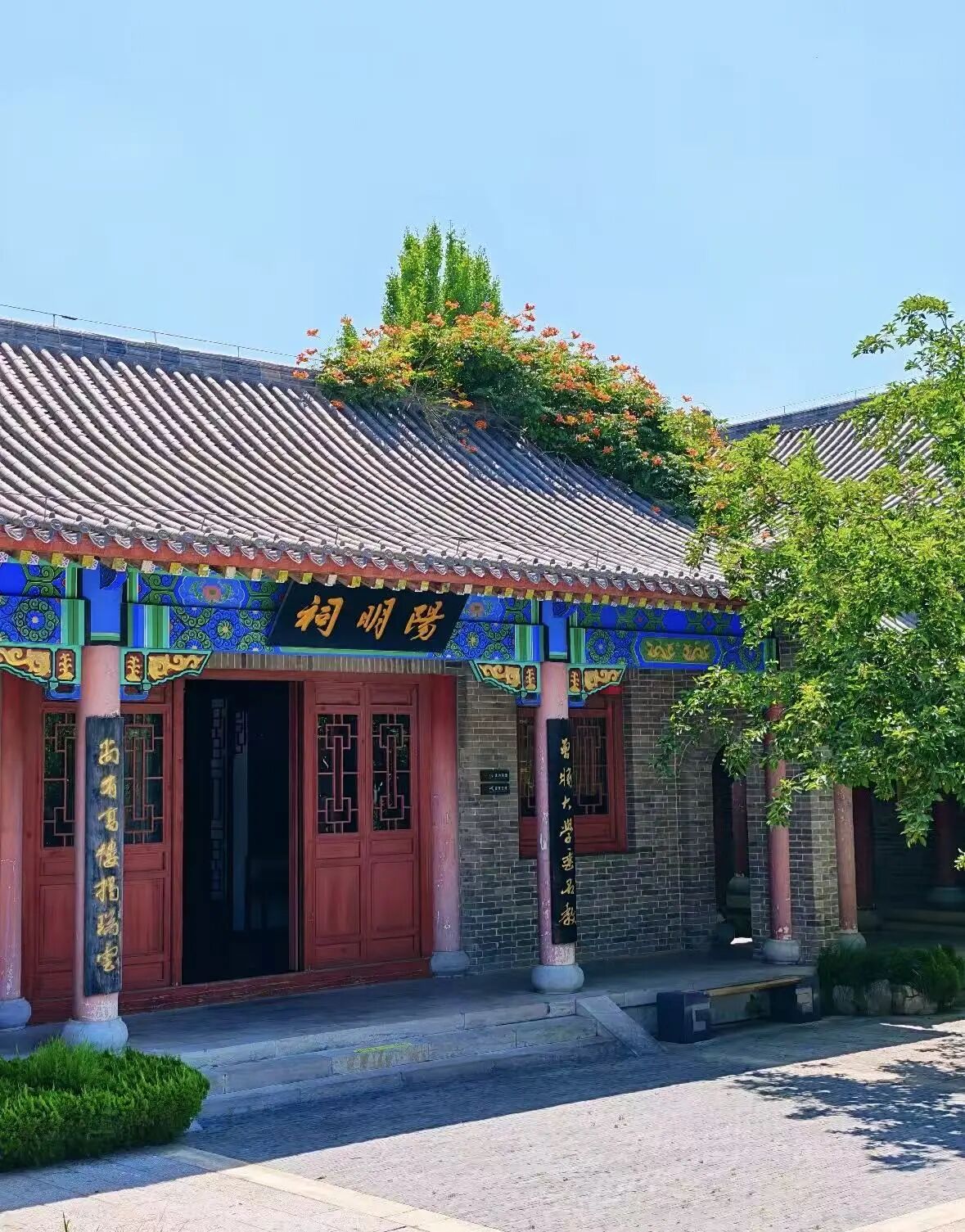
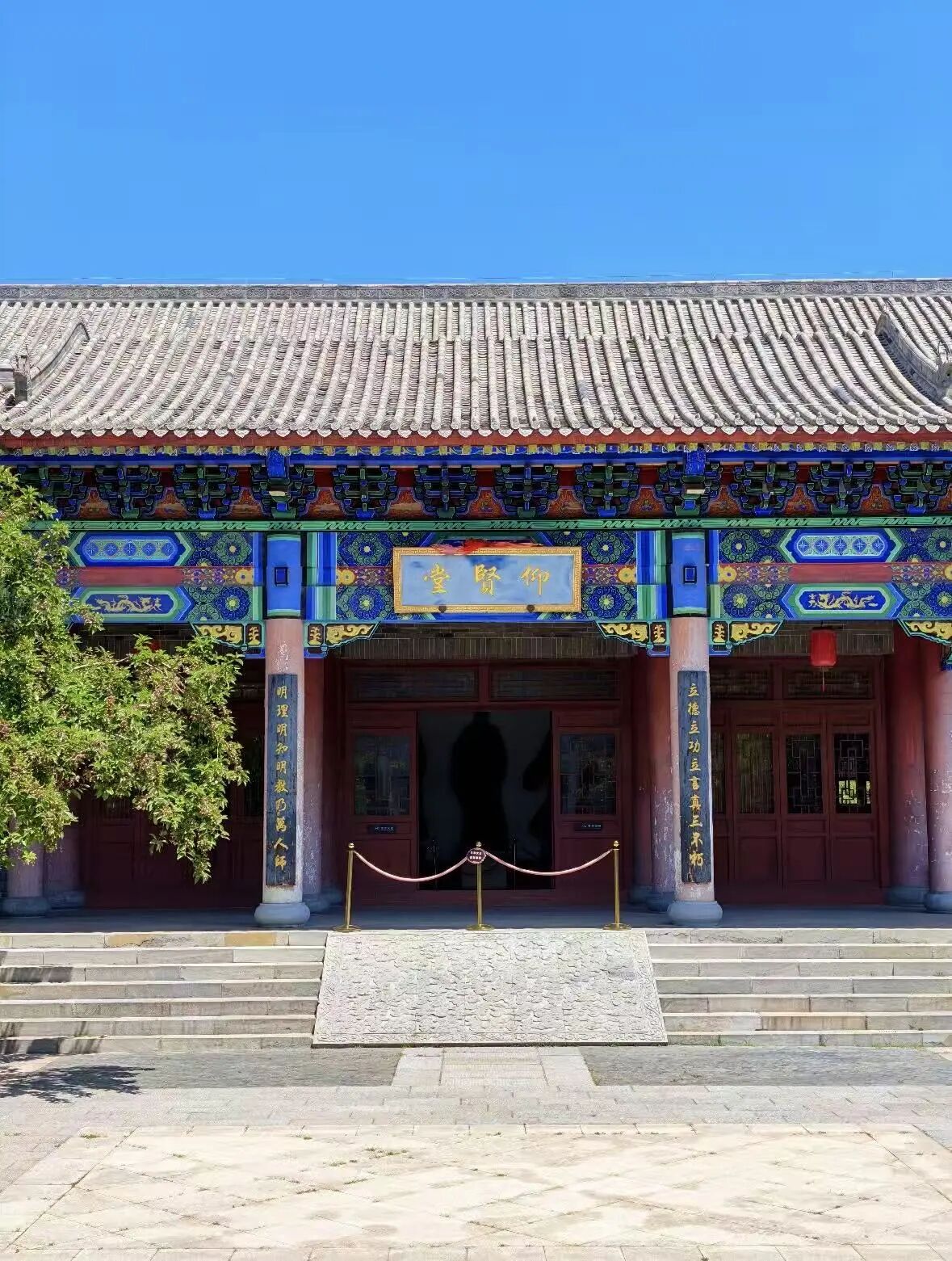
Located on West Street in the ancient city, Qixian Ci was built in honour of seven Neo‑Confucian scholars of the School of Mind from Dongchang during the Ming dynasty. These seven distinguished officials devoted themselves to the teachings of Wang Yangming, governing with integrity and promoting the School of Mind in northern China. The three‑courtyard complex is laid out in a stately manner. The main hall enshrines statues of the Seven Worthies, while the side halls illuminate the philosophy of “the unity of knowledge and action,” displaying ancient books, inscriptions, and rubbings. The couplets and plaques throughout the courtyard reflect the scholar‑official ideals of self‑cultivation and public service. The serene environment invites contemplation of the Worthies’ lectures and official deeds, offering a glimpse into the integrity, diligence, and scholarly spirit of Ming‑dynasty literati.
📍 Address: Qixian Ci
Six exhibition halls, six distinct pieces of Liaocheng’s collective memory, come together like a mosaic to reveal the city’s rich historical tapestry.
The ancient county yamen speaks of governance in bygone eras; the Wedding Customs Museum preserves the warmth of folk traditions; the revolutionary memorials honour the loyalty of heroes; the Fu Sinian Exhibition Hall carries on the spirit of scholarship; Haiyuan Ge and Qixian Ci embody the heritage of literature and philosophy.
A city rich in character and heritage, Liaocheng invites visitors to wander through its streets, look back on centuries of history, and discover the enduring spirit of openness, inclusiveness, and cultural heritage that defines this ancient city on the Grand Canal.