
Liaocheng County Yamen
Liaocheng County Yamen
— One Check-in Spot at the Ancient Water City —
Tucked away on Louxi Street within Liaocheng’s Ancient Water City lies a living fossil of official compounds from the Ming and Qing dynasties — the Liaocheng County Yamen. Let us uncover the secrets of this ancient county government step by step and travel back to the administrative routines of ancient Liaocheng.
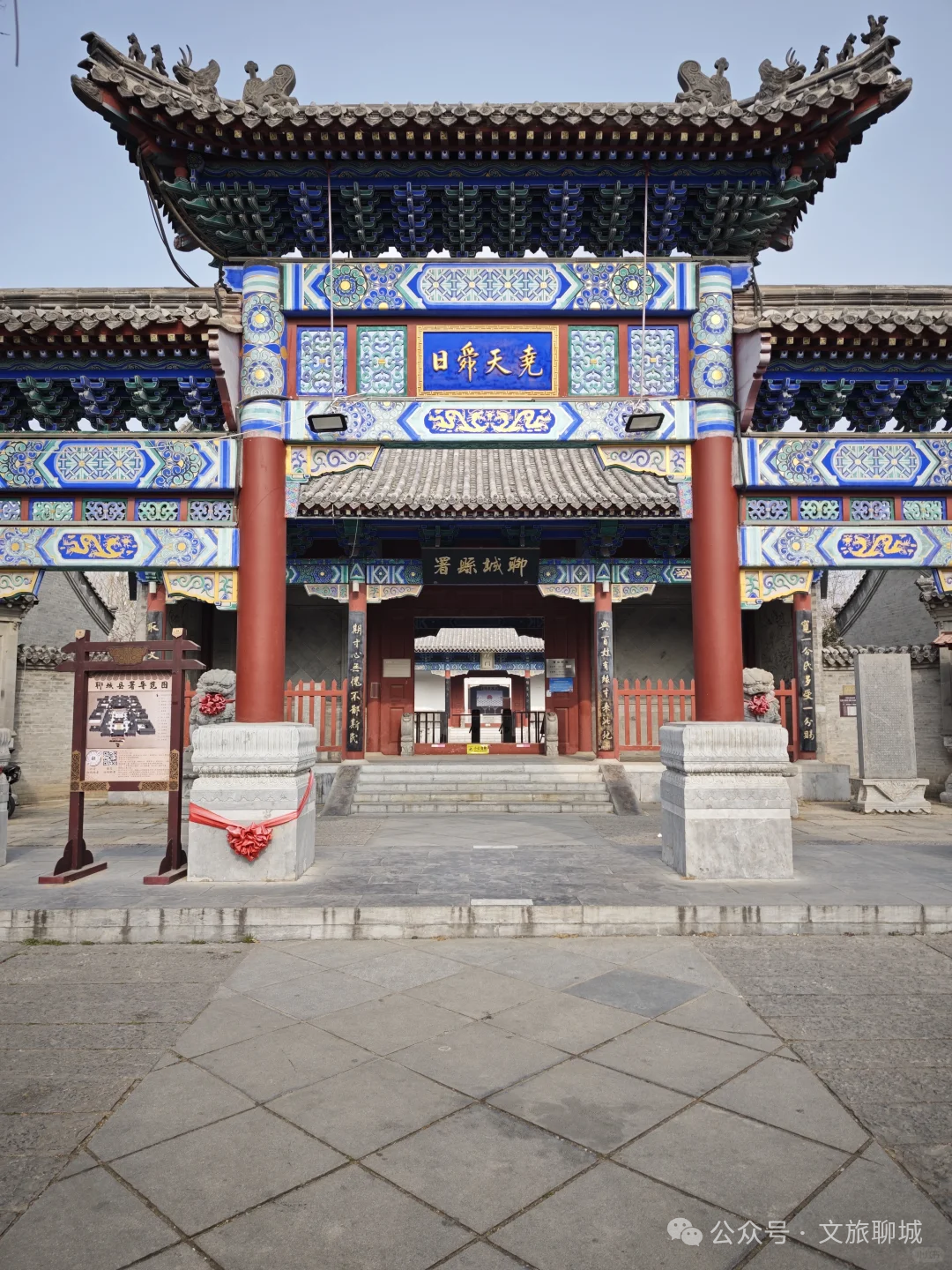
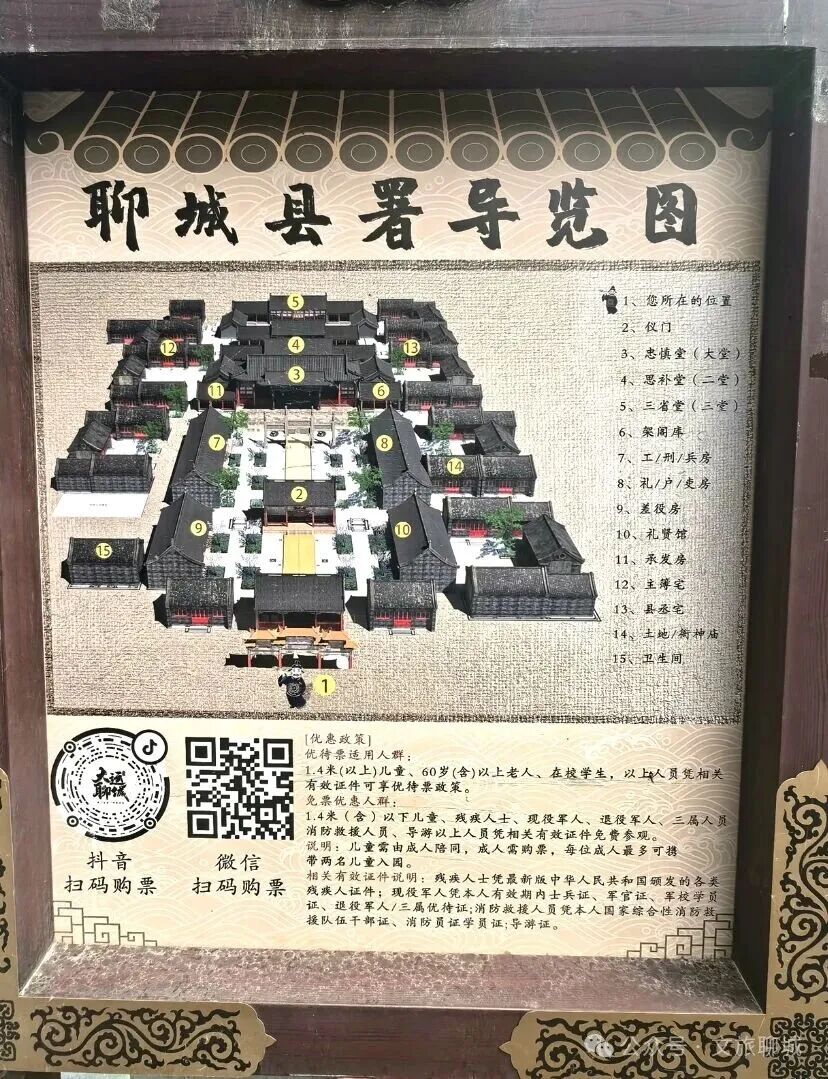
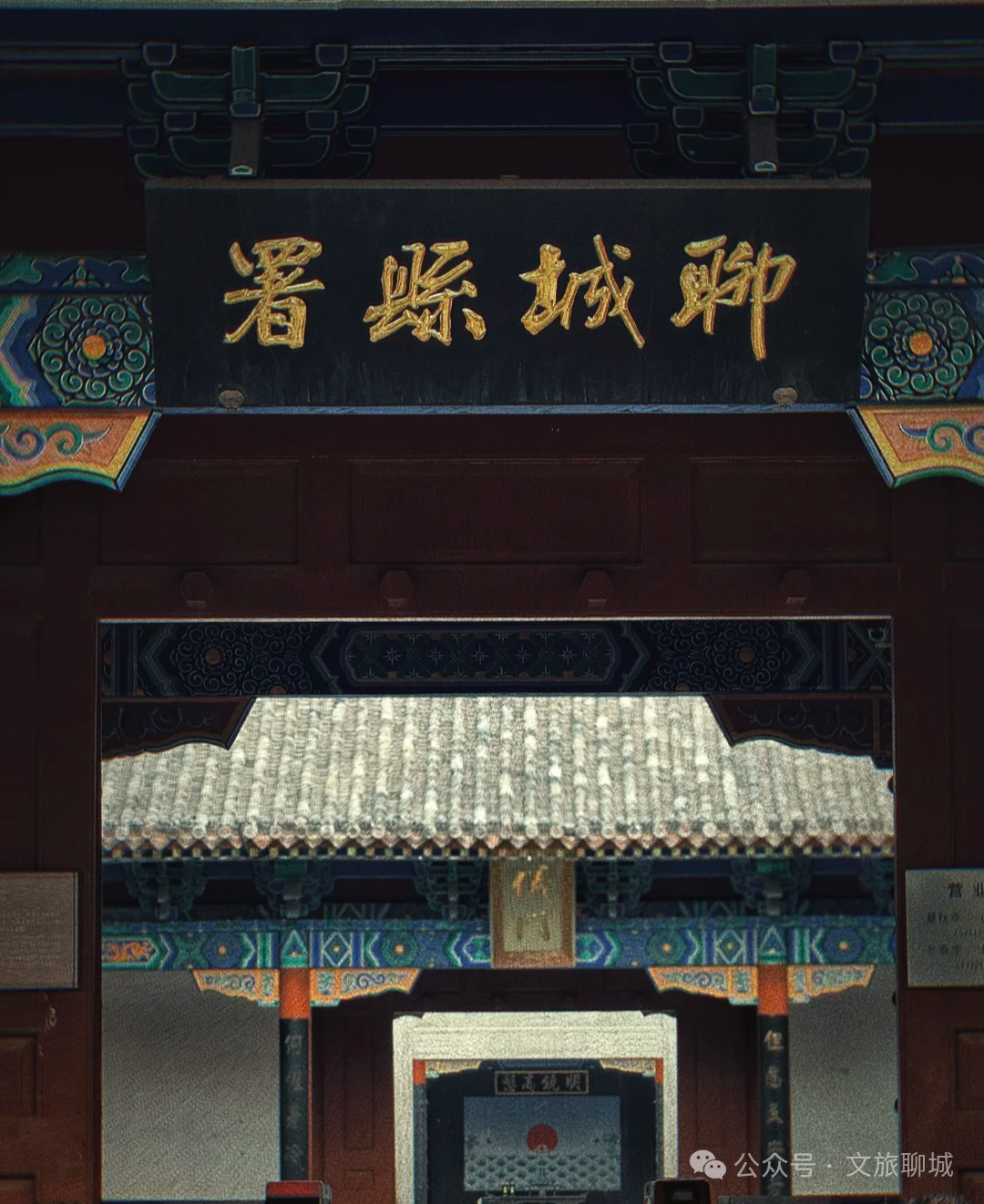
First built in the 2nd year of the Hongwu reign of the Ming Dynasty (1369), the Liaocheng County Yamen served as the political, cultural and judicial hub of Liaocheng during the Ming and Qing periods. It is also the most well-preserved and exquisitely-constructed official complex among canal-side cities.
Today, the yamen still adheres to ancient architectural principles: facing south with its main entrance on the north-south axis, civil-service buildings on the left and military facilities on the right, and official quarters in the front with residential areas at the rear. Every step reveals traces of history.
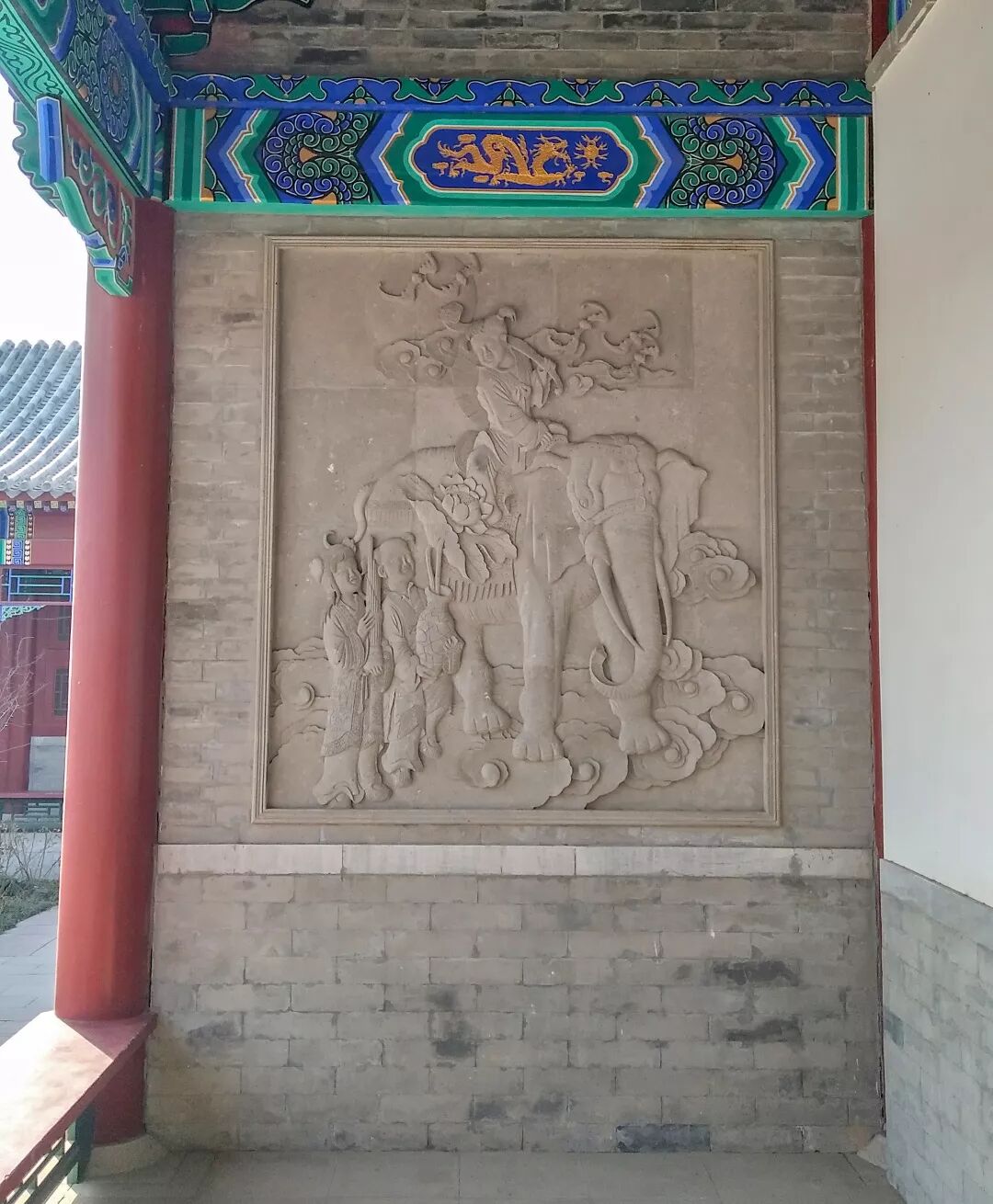
Stepping into the yamen feels like opening a gateway through time. Upon entry, relief carvings on the side walls catch the eye with lively patterns. Some embody blessings for good fortune, while others convey the official-cultural values of “integrity, diligence and moral enlightenment”, together with the ideal governance vision of “harmony and stability under good administration”.
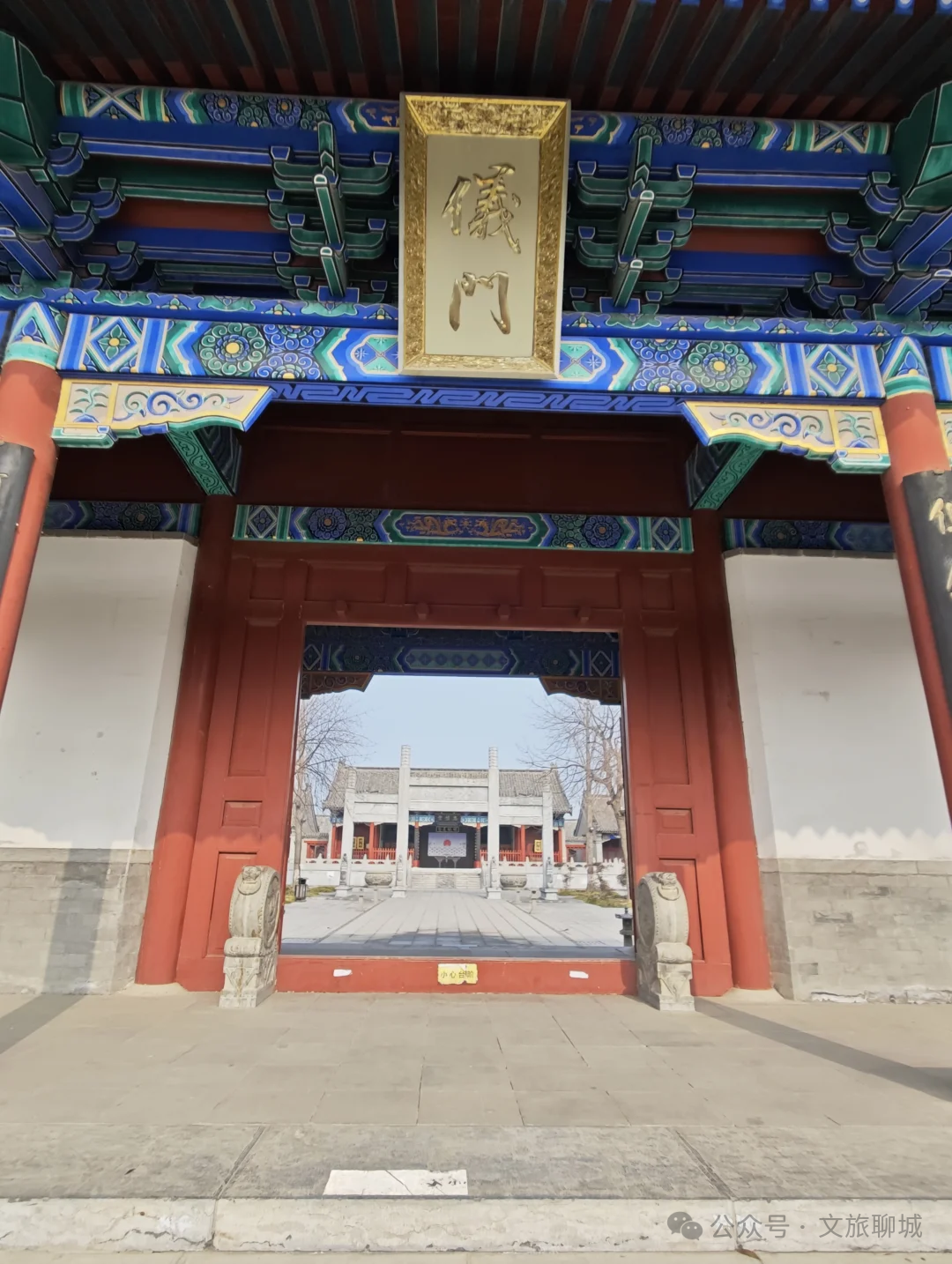
Past the main gate stands the Ceremonial Gate, known to ancients as the “Second Gate”. It functioned as the formal ceremonial entrance of the county yamen, where officials mounted and dismounted from sedan-chairs and horses, and received guests. Ordinary local residents were forbidden entry unless on official business, reflecting a strict social hierarchy.
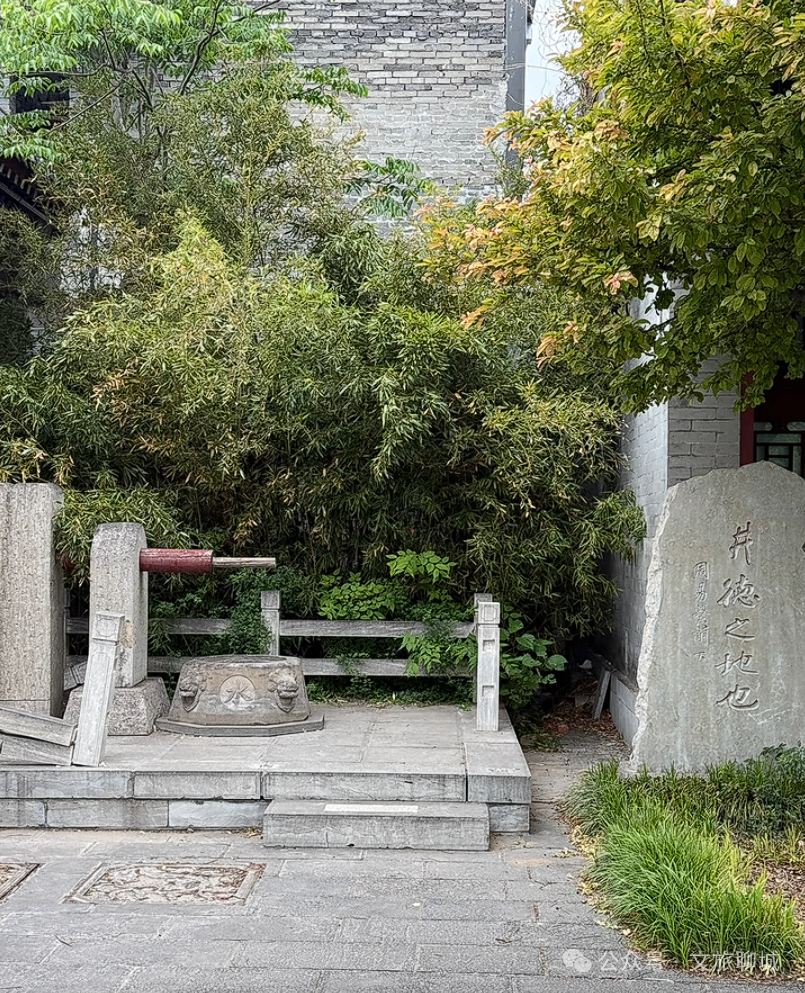
An old well rests beside the wall, with an inscribed stone tablet reading “A well stands firm in its place of virtue”. The inscription conveys this meaning: a gentleman may rise or fall in social status, suffer poverty or enjoy wealth, yet his aspirations, conscience and moral character shall never alter — just as a well remains fixed in its location.
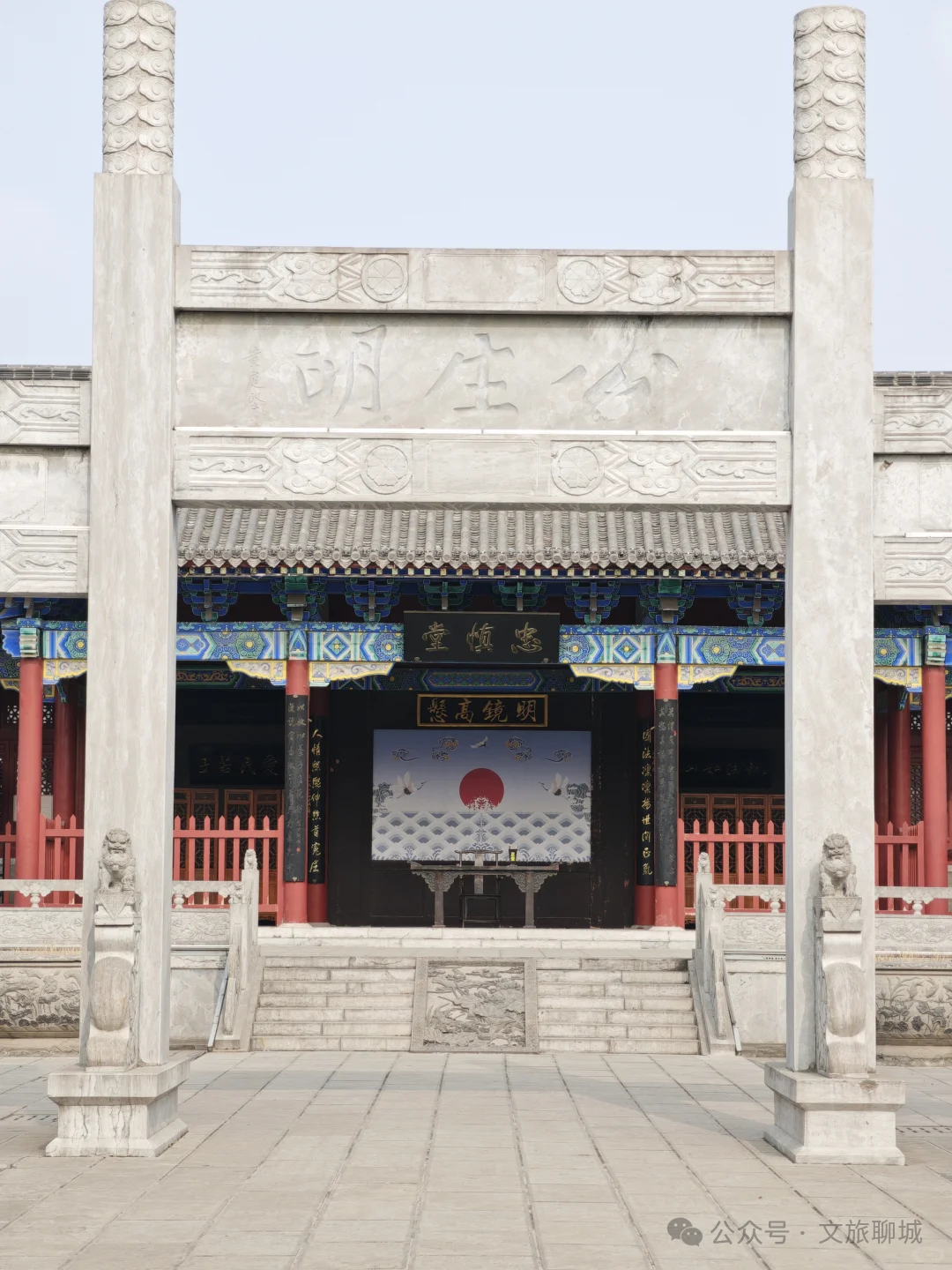
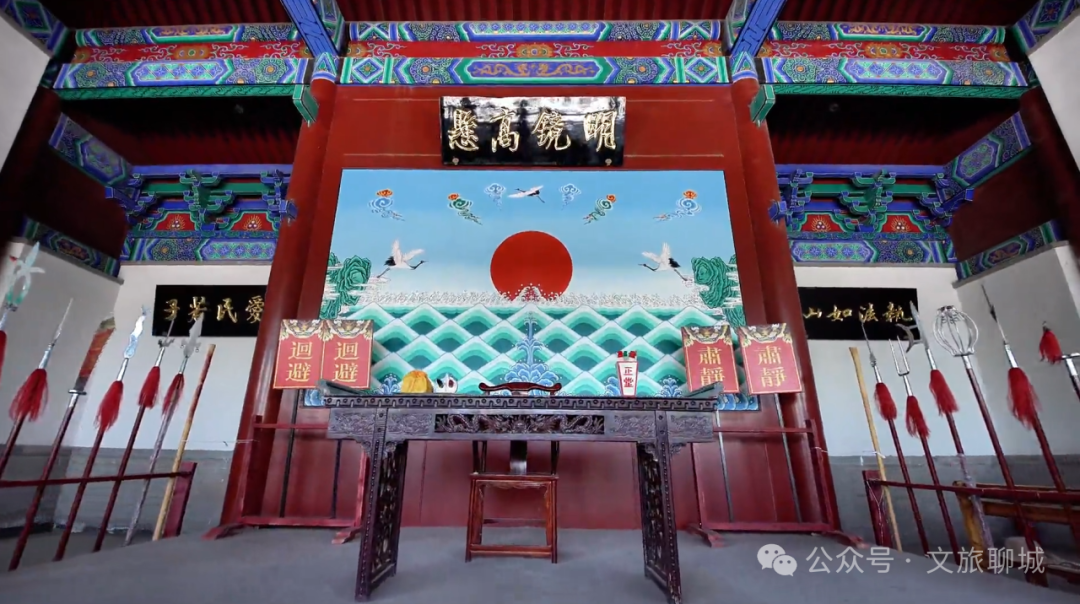
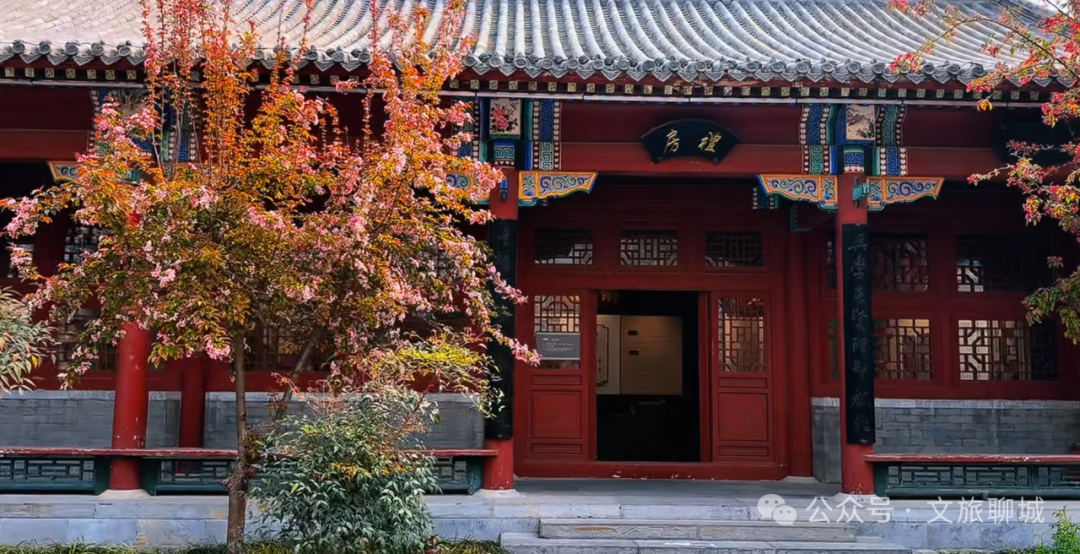
Crossing the courtyard, Zhongshen Hall stands imposingly. This was the core venue where county magistrates handled government affairs, judged lawsuits and upheld justice for local people. The hall retains simple antique furnishings: desks, official tables and horizontal plaques create an immersive historical atmosphere.
Flanking the courtyard are the Six Administrative Departments — Personnel, Revenue, Rites, Military, Punishments and Public Works. Each bureau performed its designated duties in an orderly fashion, recreating the administrative operating system of an ancient county government.
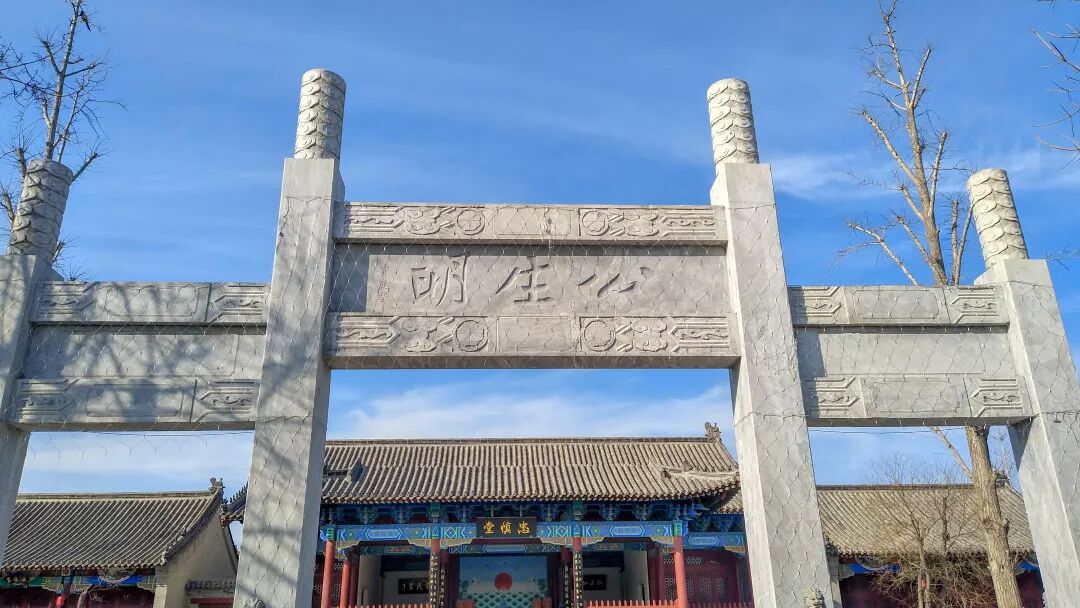
On the memorial archway, the three forcefully-inscribed Chinese characters “Impartiality Begets Clarity” still resonate powerfully across centuries, embodying the original aspiration and moral bottom line for public officials.
The inner-residence courtyard is serene, with flourishing plants and winding paths. Moving beyond the solemnity of official governance, this space offers gentle domestic warmth. Every brick, tile, plant and tree tells stories of the daily lives of ancient official families.
The small, elegant Rensheng Pavilion sits amid layered terraces. Nearby, a pond ripples with clear water in quiet seclusion. Here, ancient rulers valued virtuous talent and cultivated inner wisdom, integrating the philosophy of “governance through virtue” into daily practice.
Through changing seasons, the Liaocheng County Yamen greets visitors seeking history and traditional charm with quiet composure.
On a bright sunny day, come and explore this microcosm of the Ming-Qing county government. Turn textbook history into tangible scenery right before your eyes.