Shan-Shaan Guildhall
Shan-Shaan Guildhall
— The Elegance of Liaocheng, Part I —
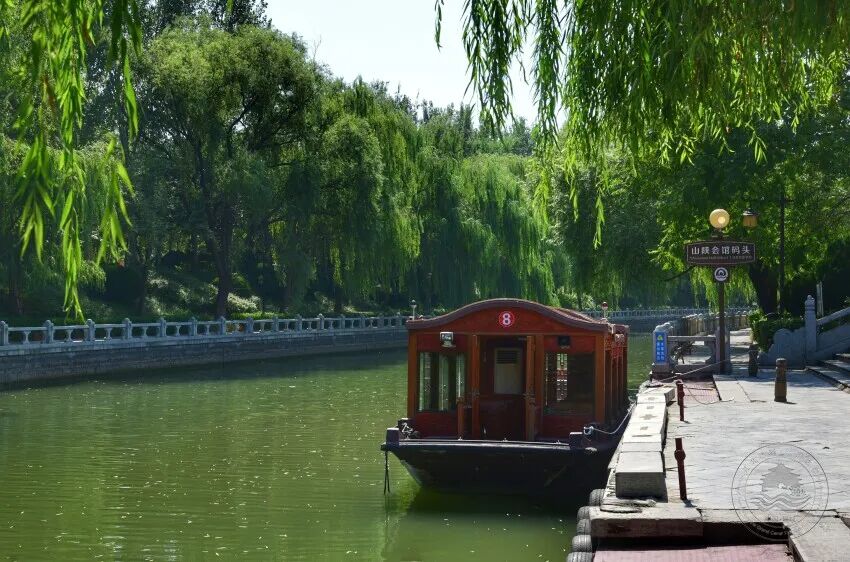
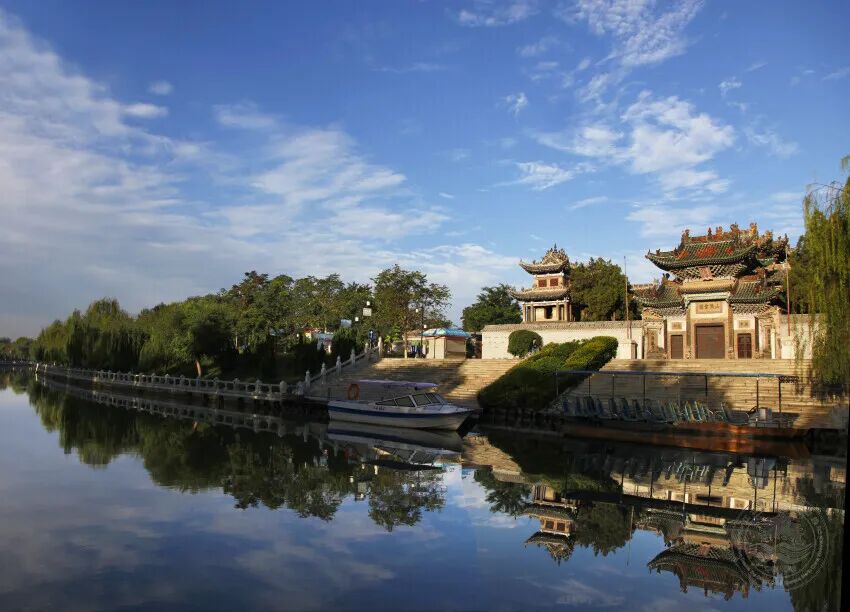
For centuries, the Grand Canal has flowed through Liaocheng, nourishing the city’s rich cultural heritage and shaping its history as a thriving commercial hub of northern China, where boats once crowded the waterways and merchants gathered from near and far. On the western bank of the ancient canal stands a beautifully preserved complex of traditional buildings, its grey-tiled roofs and brick walls quietly bearing witness to the city’s past. This is the Shan-Shaanxi Guild Hall, the most complete surviving Qing-dynasty guild hall complex in Liaocheng.
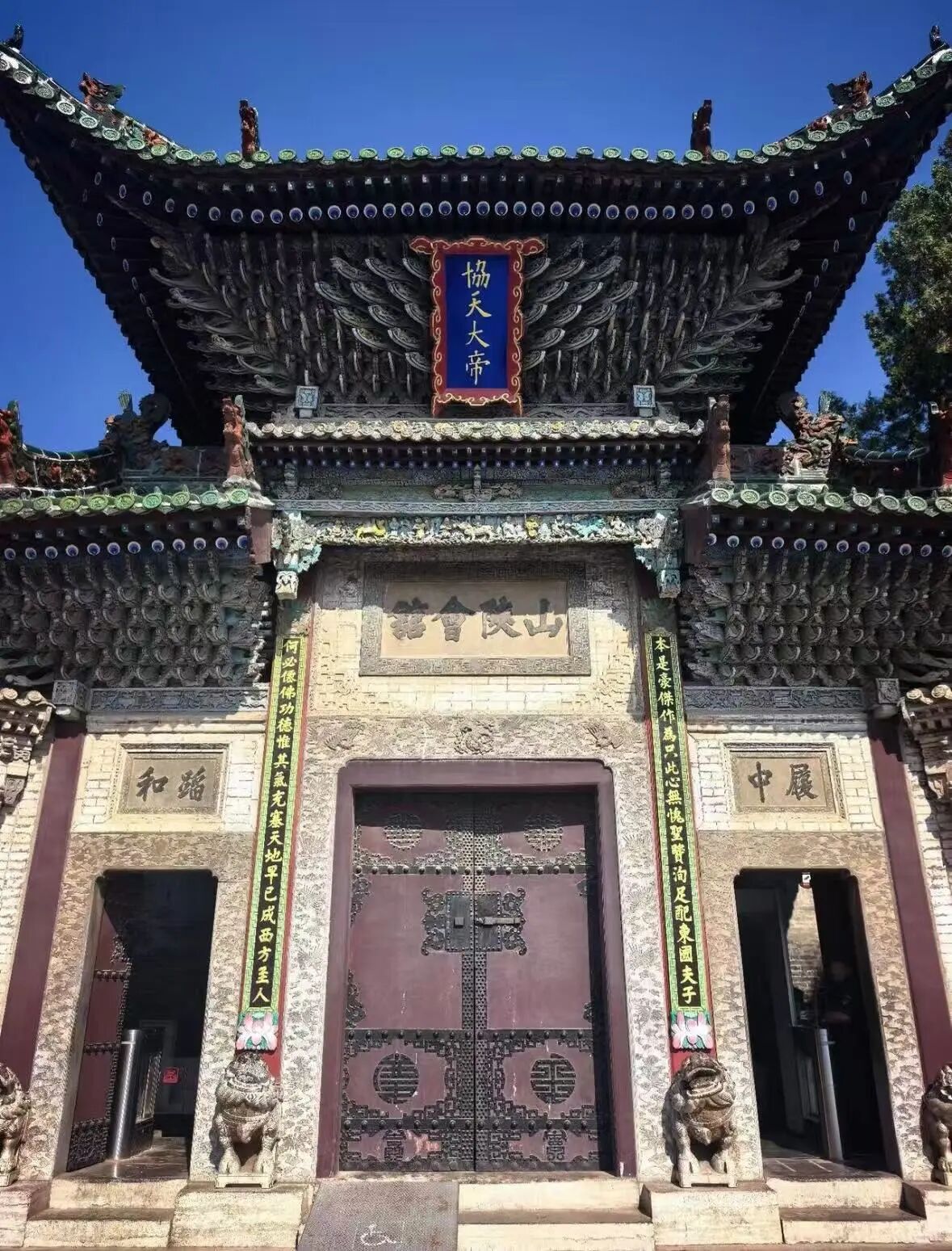
Construction of the Shan-Shaan Guildhall began in the eighth year of the Qianlong reign (1743 CE), funded by Shanxi and Shaanxi merchants residing in Liaocheng. Serving as a venue for fellowship, business negotiations, ceremonial rites and prayer offerings, it bore witness to the heyday of canal transport, when merchants and travellers from north and south converged and a vast array of goods was exchanged.
The entire guildhall faces east, with its back to the west, and is built along the canal. Its three courtyards are laid out in a well‑proportioned sequence, with over a hundred rooms arranged in a rigorous and stately manner.
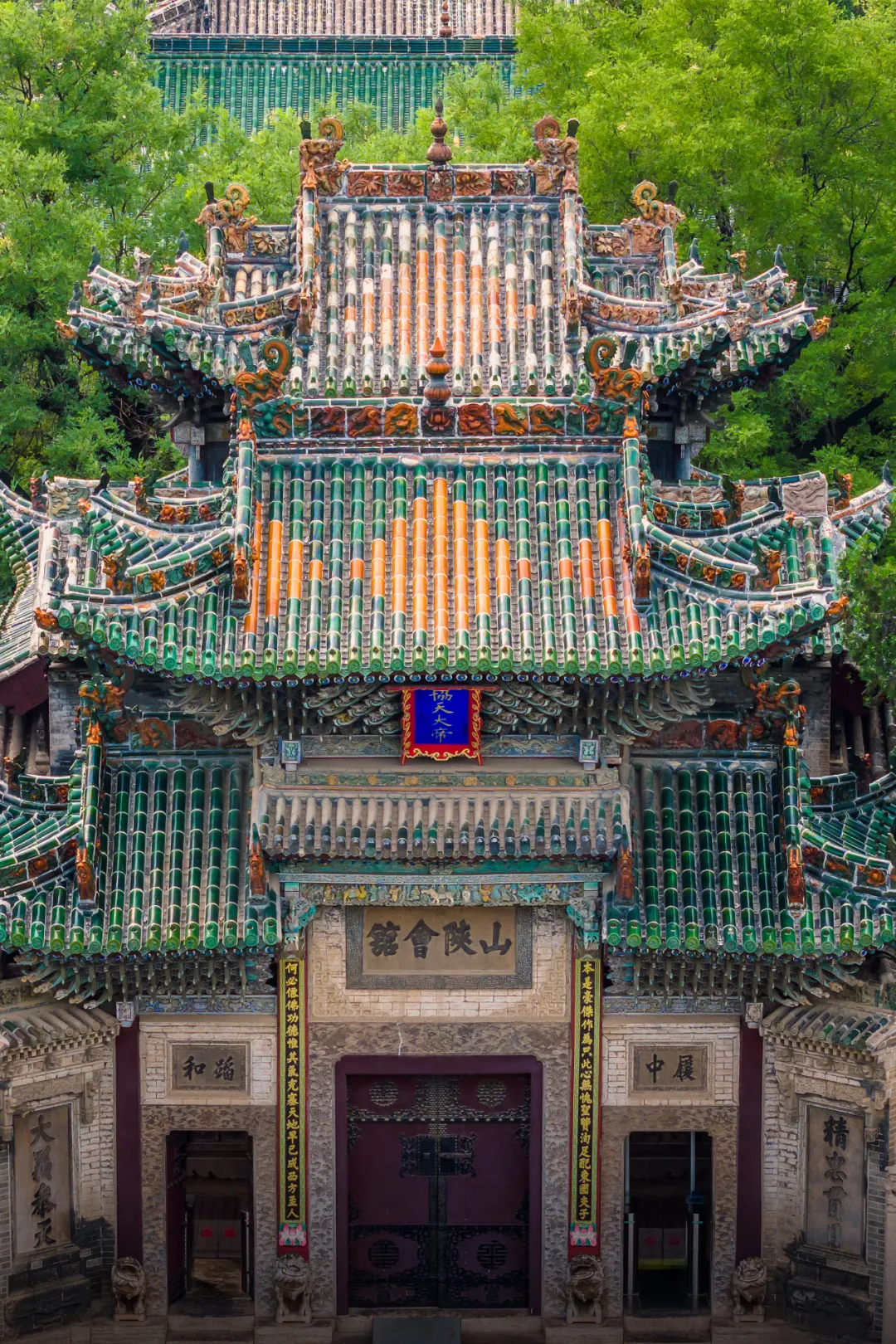
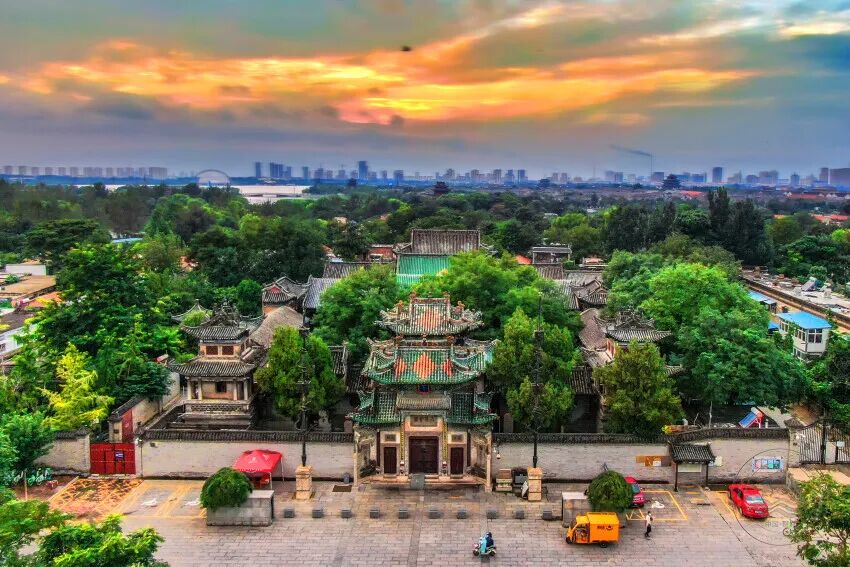
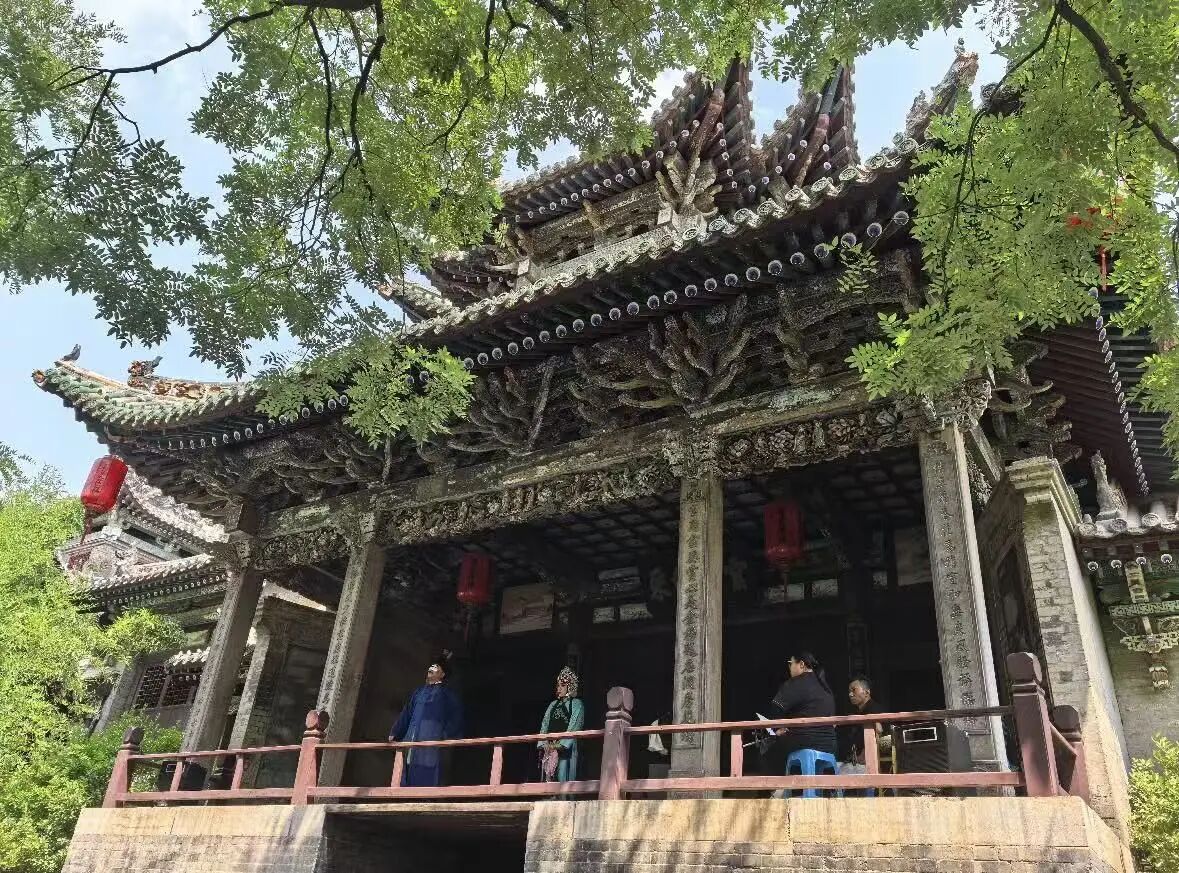
Arranged along a central axis are the main gate, opera stage, bell and drum towers, main hall, and Chunqiu Pavilion. With their varied heights and carefully balanced spacing, the buildings showcase the grandeur and distinctive character of traditional northern Chinese architecture from the Qing dynasty.
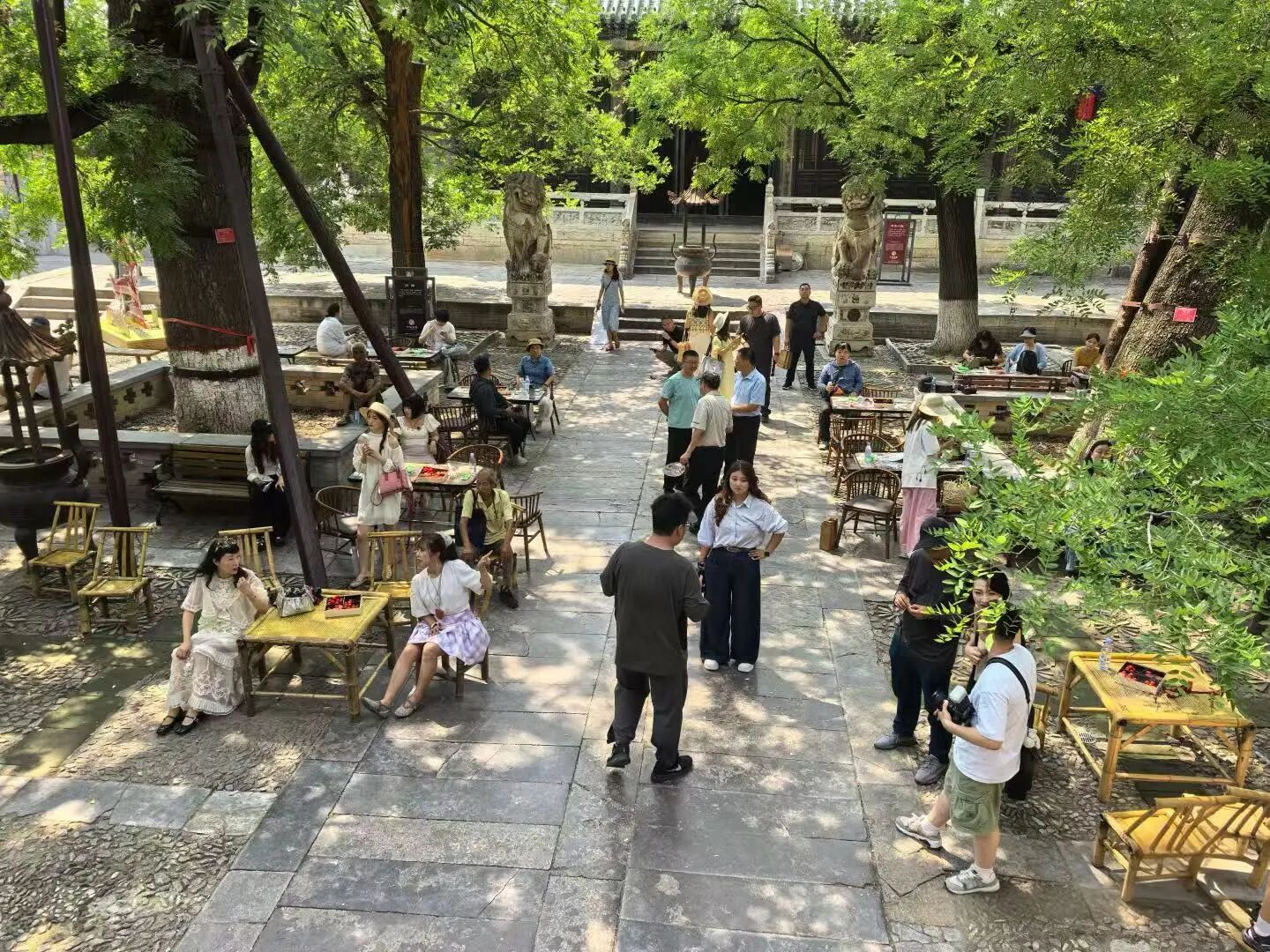
Within the courtyards, ancient trees stand tall and sturdy. Every stone stele bears records of the guildhall’s construction and the charitable deeds of its merchant founders, making them invaluable historical documents for the study of canal‑era commerce.
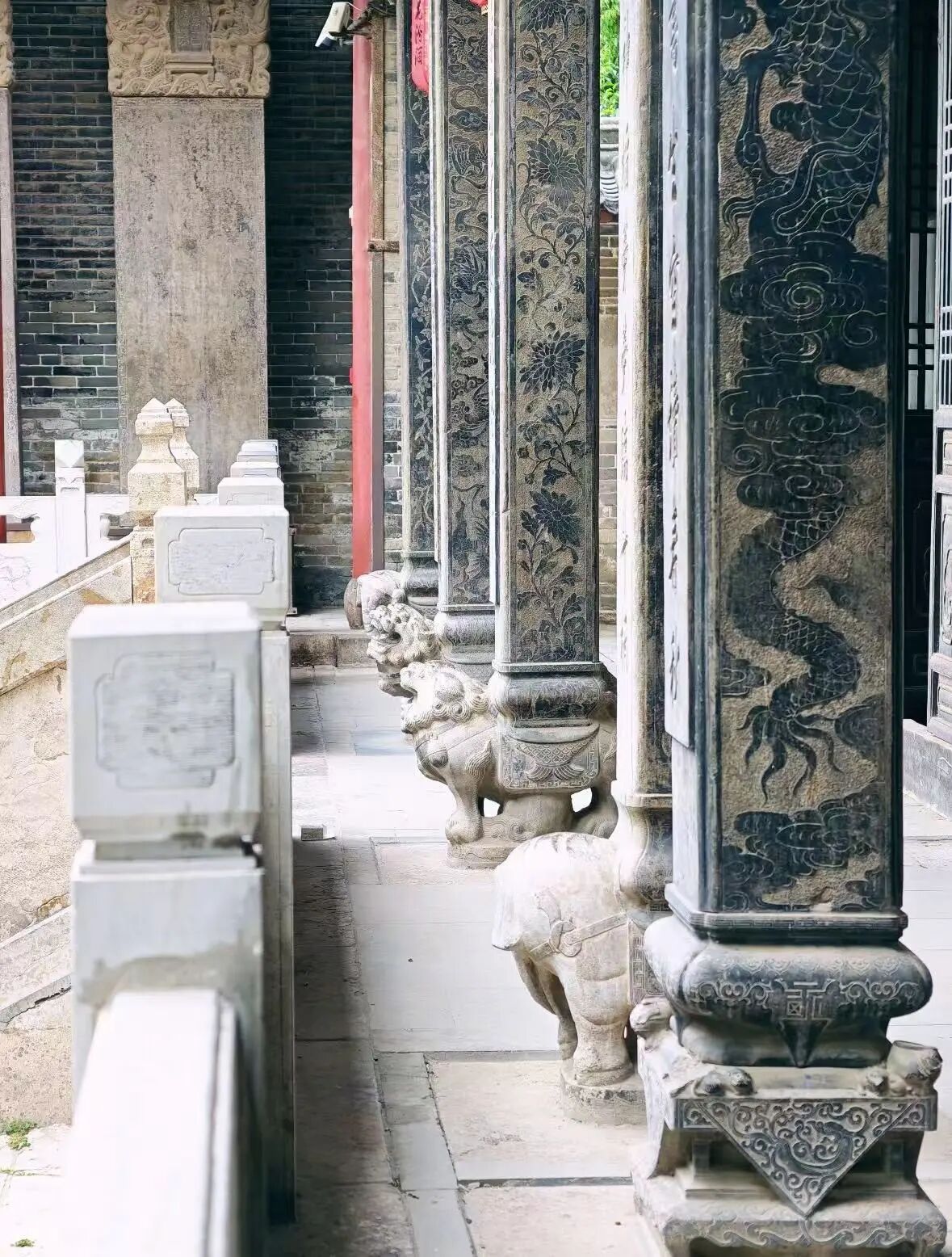
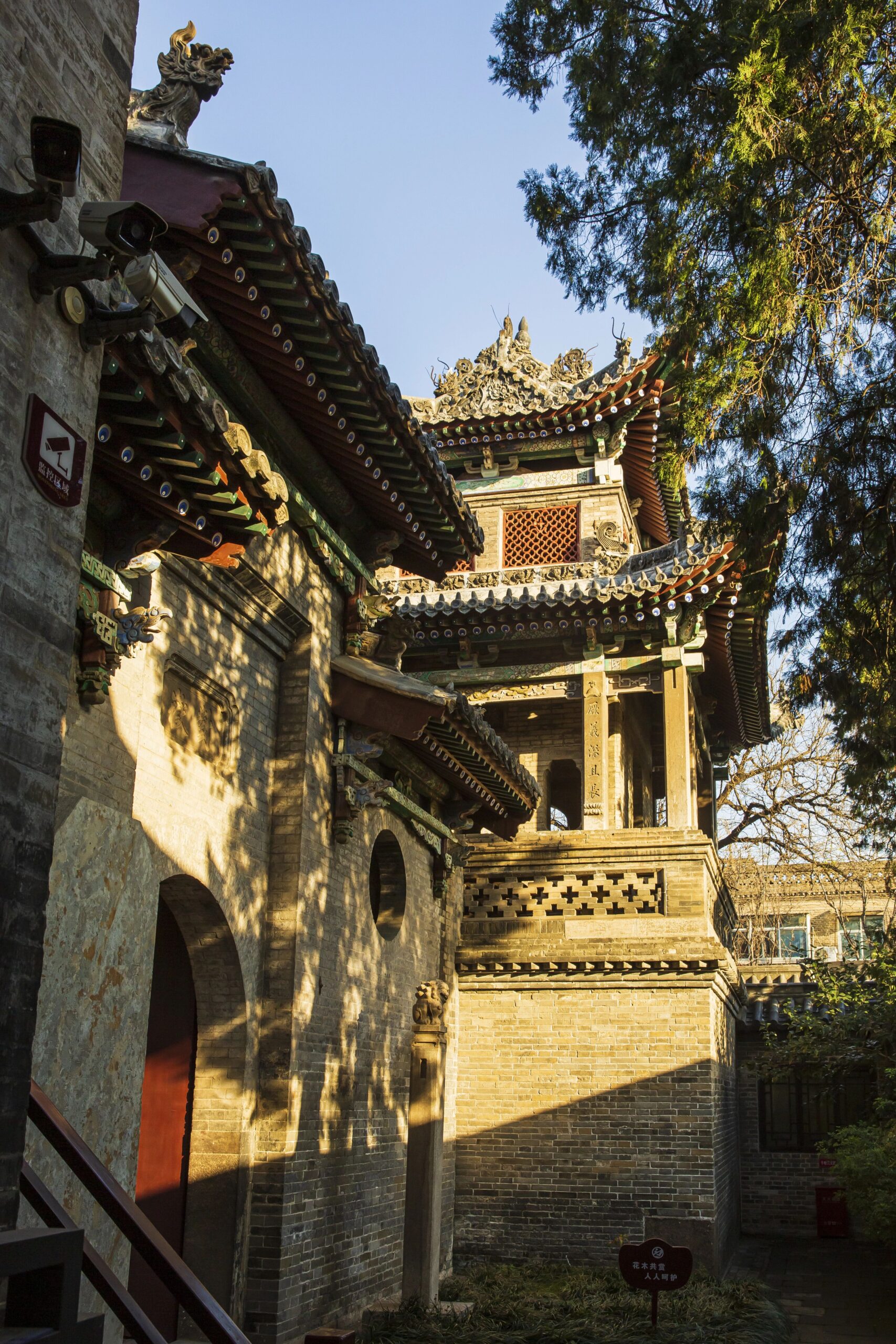
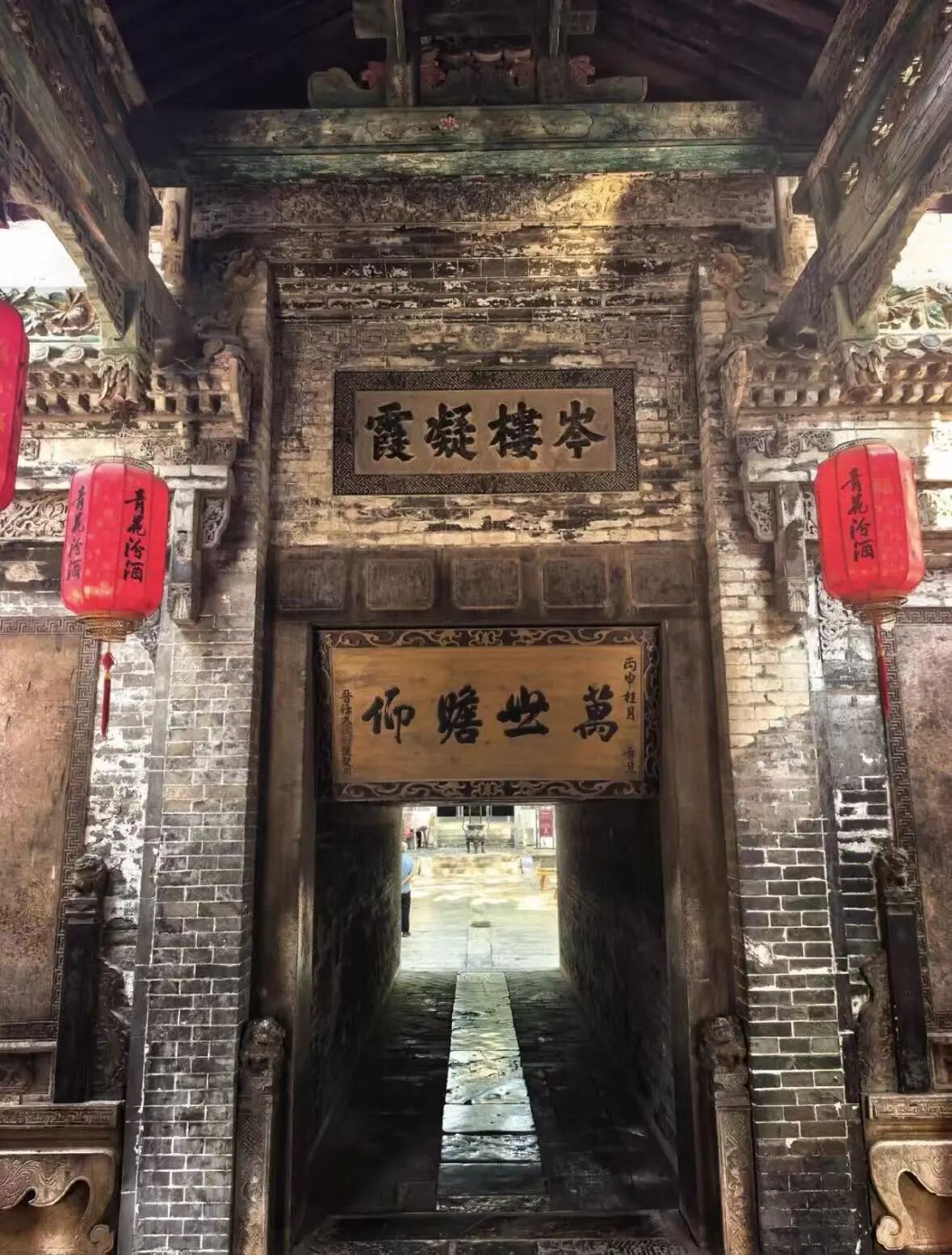
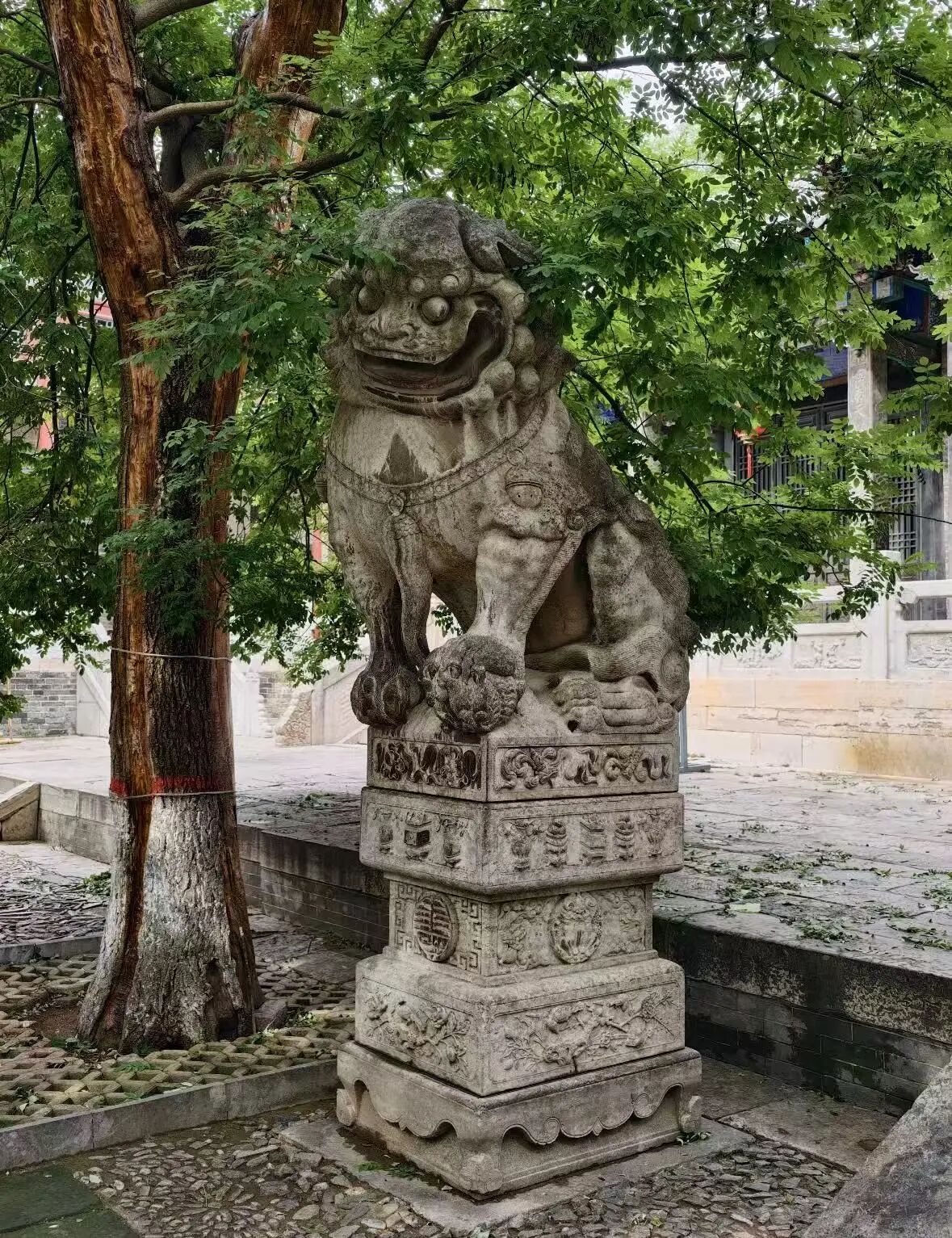
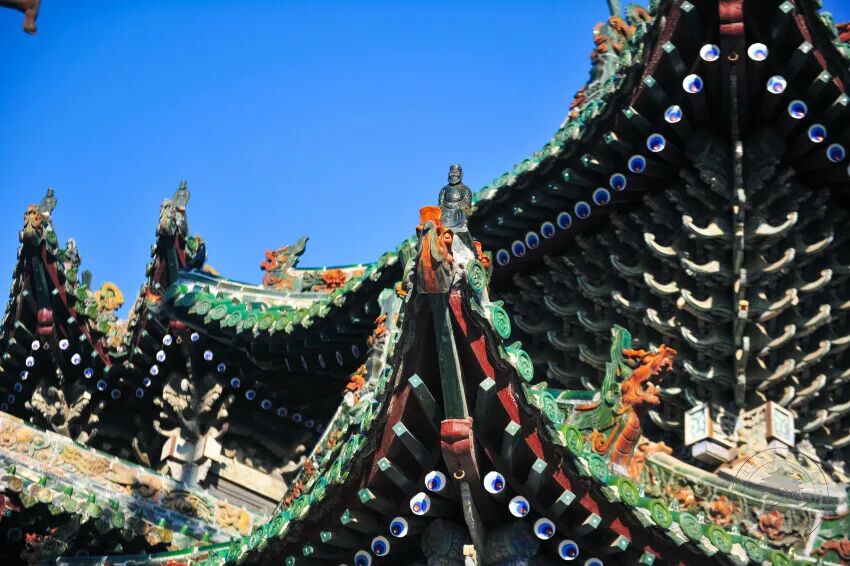
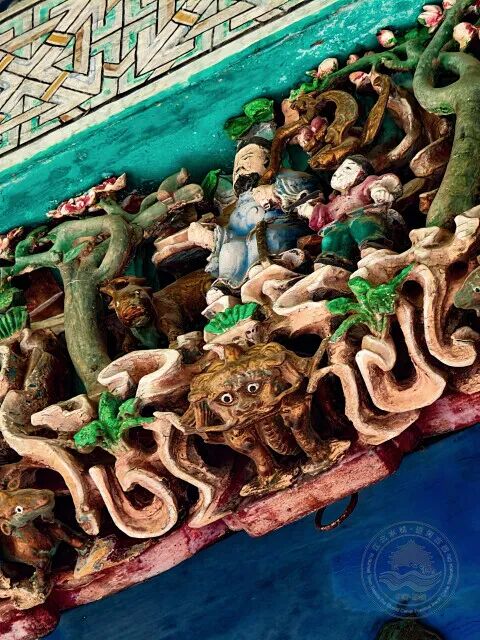
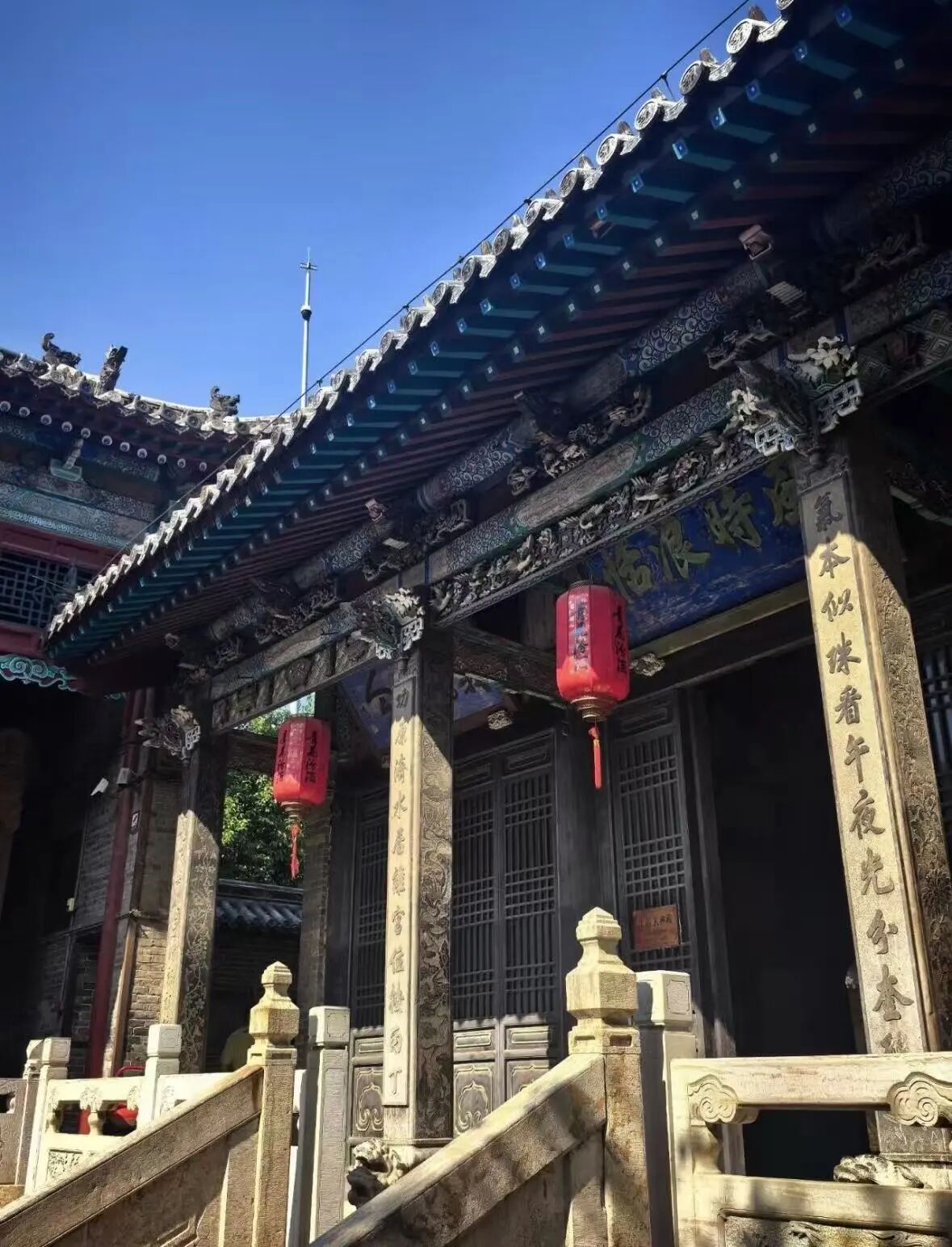
The guildhall’s greatest artistic treasure lies in its celebrated brick, wood, and stone carvings — the three signature crafts for which it is renowned. The eaves and bracket sets are intricately layered and exquisitely complex; the wooden beams, doors and windows are carved with auspicious beasts, flowers, birds and historical tales, each vivid in expression and rich in detail.
The stone plinths and column bases bear delicate patterns; the grey‑brick wall reliefs are full and bold in composition. Even after a century of wind and rain, their lines remain clear and their spirit intact.
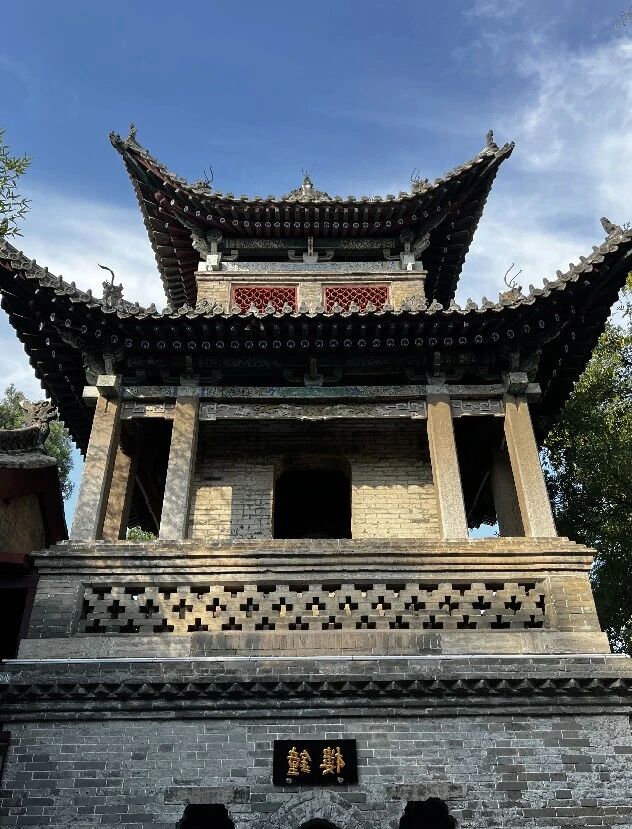
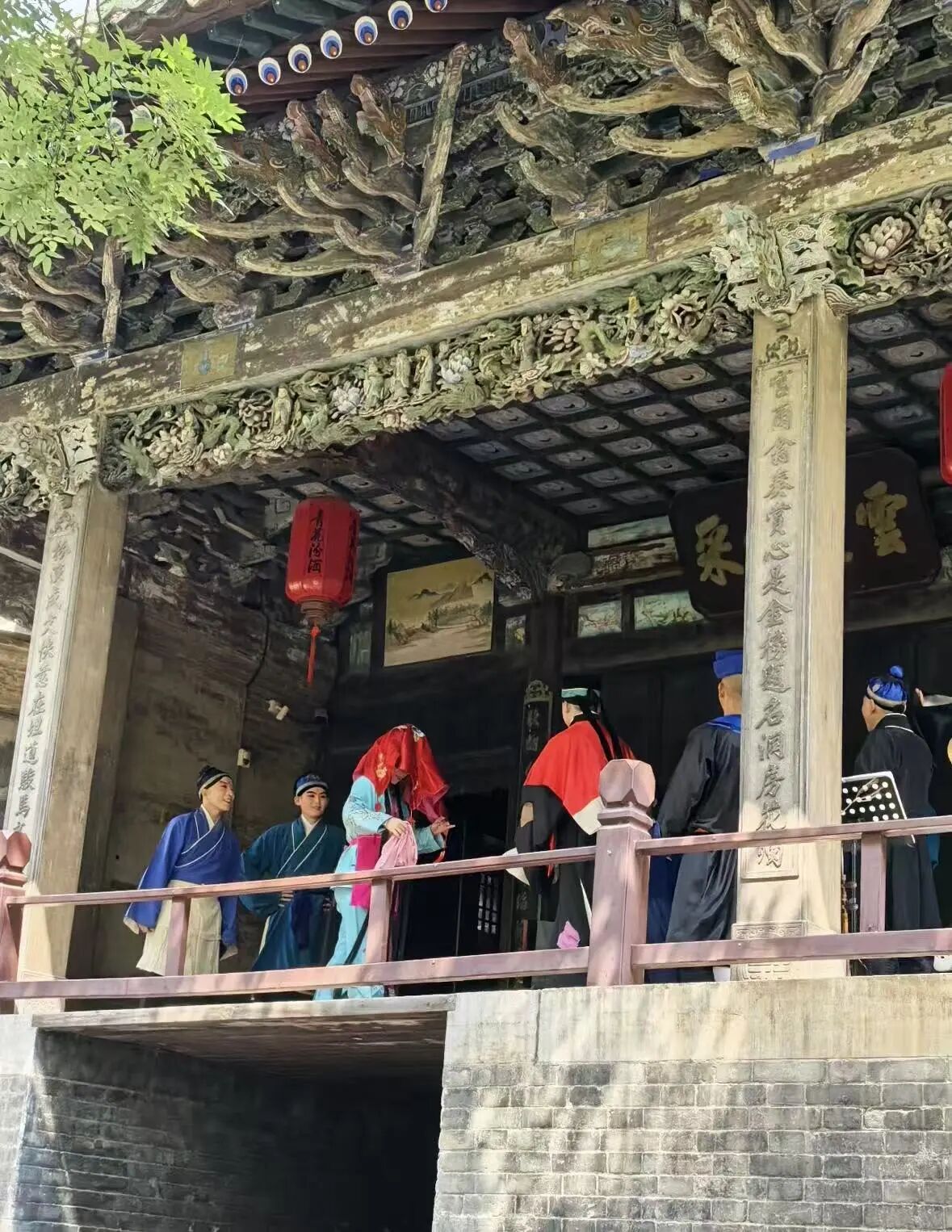
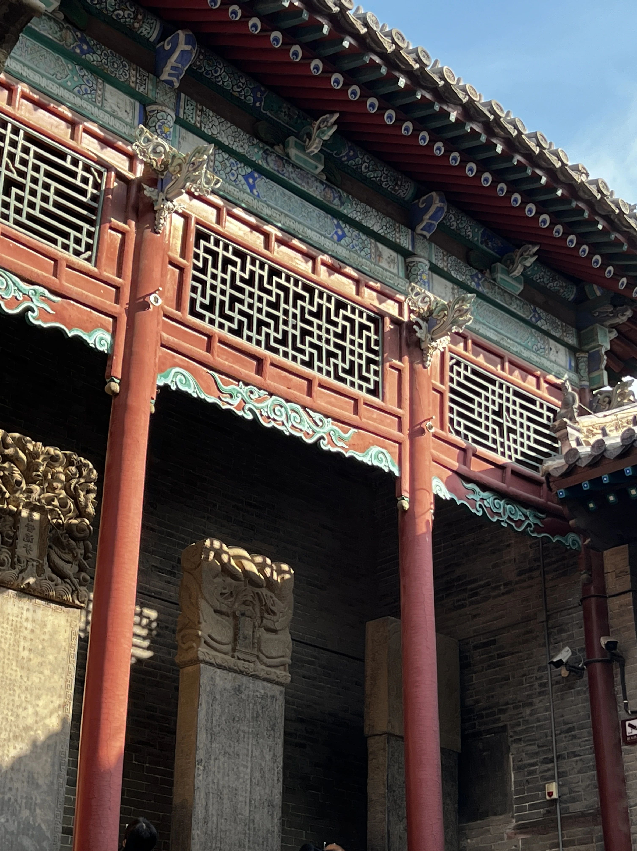
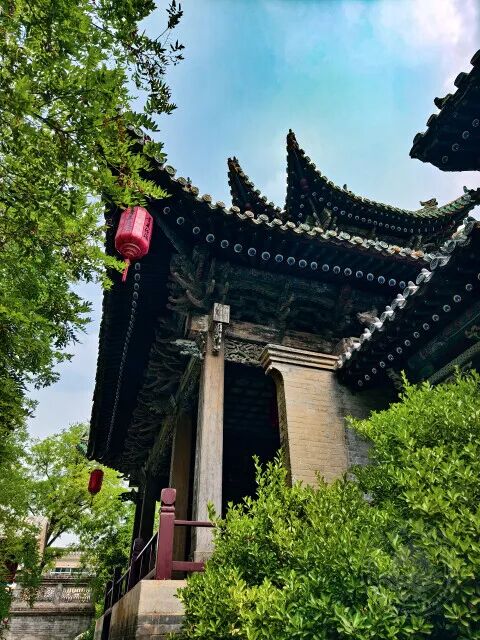
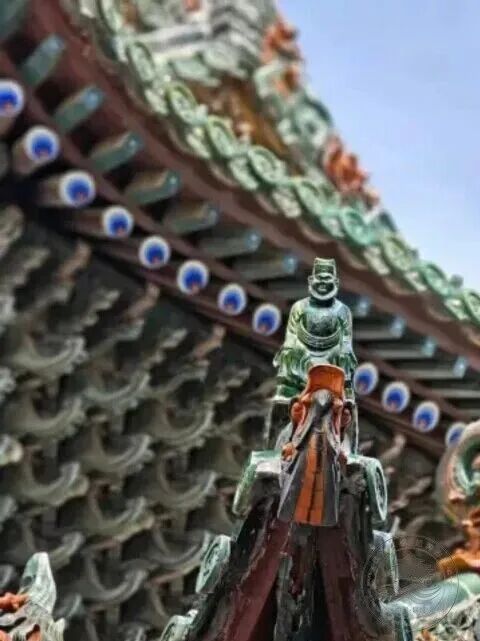
The ancient opera tower, with its sweeping upturned eaves and gleaming green tiles, evokes a bygone era when the melodies of traditional instruments mingled with the resounding beat of drums and gongs, while merchants gathered and guests filled the halls — a vivid scene of prosperity and everyday life.
Time flows on. The canal’s sailing shadows have gradually faded, and the clamour has subsided into tranquillity. The once‑bustling wharves have long shed their prosperity, yet the Shan-Shaan Guildhall still stands by the riverbank, carrying the weight of the ages.
Every brick and tile holds the artisan’s devotion; every carving bears the passage of centuries. It is not only a masterpiece of exquisite architecture, but also a vessel that embodies canal culture, merchant culture and folk tradition.
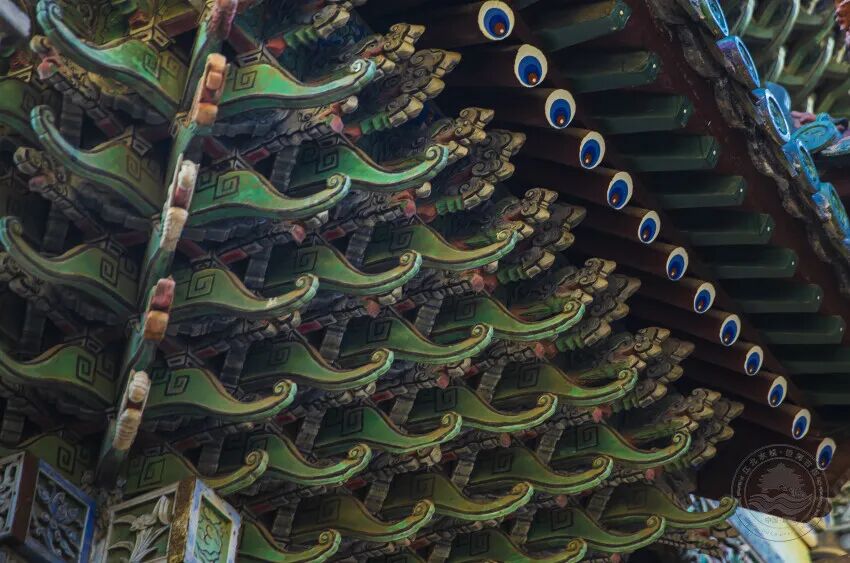
Wandering through the ancient courtyards, tracing the mottled grey bricks, and admiring the intricate carvings, one can travel back through a hundred years and grasp the rise and fall of Liaocheng’s canal history. This century‑old guildhall, in its serene dignity, guards the cultural legacy of the water city and tells the enduring tale of prosperity and legend along the banks of the Grand Canal.